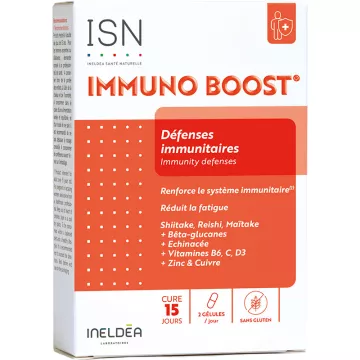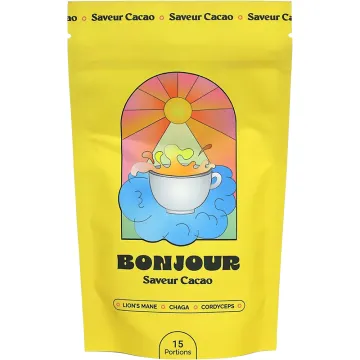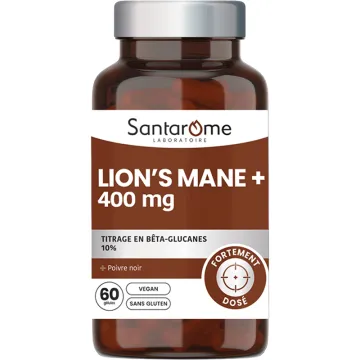
Mycotherapy is a complementary approach that uses higher fungi, known as “medicinal” fungi, to support the body’s natural defenses and certain physiological functions. It is rooted in the long tradition of Chinese and Japanese medicine, where Reishi has been documented for over 2,000 years, and has recently gained popularity in the West in the wake of functional nutrition.
The mushrooms used in mycotherapy are not common edible mushrooms: they are species selected for their high content of bioactive compounds (polysaccharides, beta-glucans, triterpenes) and cultivated under controlled conditions. The complete product line is available in the mycotherapy category, complementing the herbs offered in traditional herbal medicine.
Medicinal mushrooms contain several families of molecules with documented biological activity in vitro and in animal studies. Their effects in humans remain the subject of active research, which is still largely preliminary.
Beta-glucans are polysaccharides found in the fungal cell wall, studied for their interactions with innate immune cells. Triterpenes, found in particularly high concentrations in Reishi, have been the subject of preclinical studies on oxidative stress and cellular signaling. Specific polysaccharides such as lentinan or krestin are derived from the Japanese pharmacopoeia and are sometimes used there in regulated hospital settings; these should be strictly distinguished from commercially available dietary supplements. To date, there are no health claims validated by the EFSA for medicinal mushrooms: their use is based on tradition and functional nutrition.
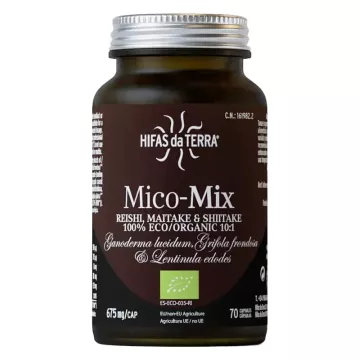
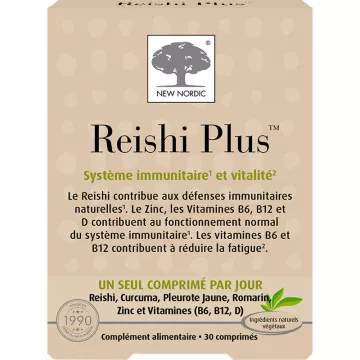
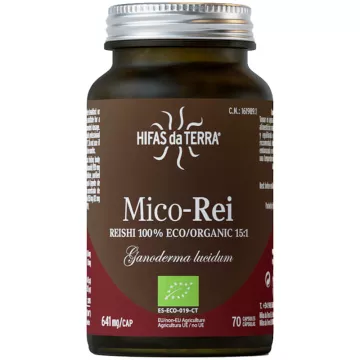
Reishi (Ganoderma lucidum, ling zhi in Chinese), sometimes called the “mushroom of immortality” in the Taoist tradition, is the most iconic of the medicinal mushrooms. It is traditionally used in China and Japan to support overall health.
Rich in triterpenes (ganoderic acids), polysaccharides, and adenosine, it is traditionally used to help manage periods of fatigue, chronic stress, and disrupted sleep. Reishi belongs to the broad family of adaptogenic plants and must be used with caution due to documented interactions with anticoagulants, antiplatelet agents, and immunosuppressants.
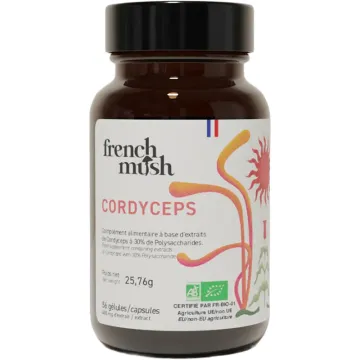
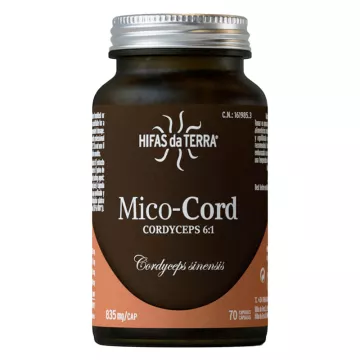
Cordyceps (Cordyceps sinensis, now more commonly Cordyceps militaris in controlled cultivation) has been used in Tibetan and Chinese medicine since the Middle Ages. Today, it is particularly valued in the sports world.
It is traditionally consumed to supportendurance, exercise tolerance, and recovery, typically as a course of treatment lasting a few weeks before and during periods of intensive training. It is also mentioned as an adjunct for physical fatigue and convalescence. Modern clinical studies are limited in number and the protocols are highly heterogeneous, which calls for caution in interpreting the claimed benefits.
Chaga (Inonotus obliquus) is a parasitic mushroom that grows on birch trees and is traditionally used in decoctions by Siberian and Northern European populations. Its high concentration of phenolic compounds makes it one of the most antioxidant-rich foods studied.
It is used in mycotherapy to support overall health, aid digestion, and contribute to a comprehensive immune defense strategy. However, Chaga contains significant amounts of oxalates, which means it is not recommended for individuals with a history of calcium-based urinary stones, kidney failure, or long-term diuretic treatment. Careful attention must be paid to the quality of the source: wild harvesting from contaminated birch trees exposes users to environmental residues.
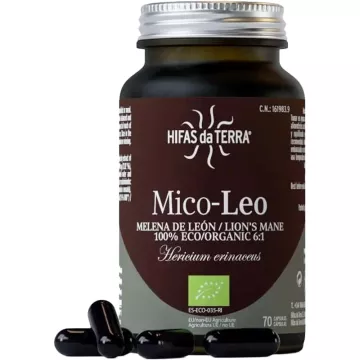
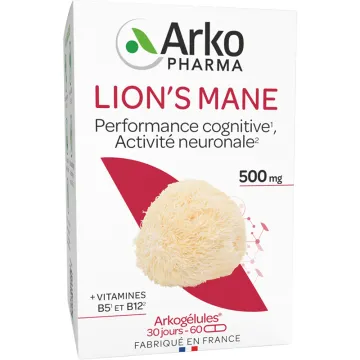
Hericium (Hericium erinaceus), also known as “lion’s mane,” is an edible mushroom studied for its erinacins and hericenones. It is the subject of growing scientific interest in the field of neurology.
It is traditionally used to help manage periods of mental fatigue and to support memory and mental focus. Clinical data remain preliminary: a few small-scale trials suggest potential benefits regarding subjective cognitive measures, though no significant effects have been demonstrated in patients with established neurological conditions. Any persistent cognitive symptoms should be evaluated by a healthcare professional before considering a course of Hericium.
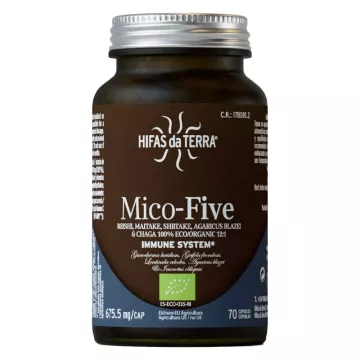
Immune support is the most commonly cited use of mycotherapy. Several preclinical studies describe the activation of innate immune cells by certain fungal polysaccharides.
In practice, medicinal mushrooms are used as part of a holistic approach, in treatment regimens lasting 1 to 3 months, alongside healthy lifestyle measures (sleep, diet, physical activity) and micronutrients known to support immunity: vitamin C, vitamin D3, and zinc. For a comprehensive approach, the “immune defense” category in herbal medicine offers the most commonly prescribed supplements.
Mycotherapy is sometimes considered as an adjunct to treatment for serious conditions (oncology, autoimmune diseases). This use requires the utmost caution and should only be considered in close coordination with the patient’s primary care physician and specialists.
In the context of oncology, certain mushrooms (Reishi, Maitake, Coriolus) are being studied for their potential to improve quality of life during chemotherapy or radiation therapy regimens. The data remain inconsistent, and self-initiating mycotherapy without oncological consultation is strongly discouraged: risks include drug interactions, interference with the absorption of cytotoxic agents, and delays in standard-of-care treatment. For autoimmune diseases (multiple sclerosis, lupus, rheumatoid arthritis, autoimmune thyroiditis), fungal immunomodulators raise a theoretical concern regarding potentially undesirable immune stimulation; they are never a substitute for the maintenance therapies prescribed by a rheumatologist, neurologist, or internist.
Mycotherapy focuses exclusively on higher fungi, living organisms classified in the kingdom Fungi, which is distinct from the plant kingdom. Phytotherapy encompasses plants in the biological sense: roots, leaves, flowers, seeds, bark, and buds.
This difference in biological kingdom results in specific families of molecules for each approach: fungal polysaccharides and triterpenes specific to fungi on one hand; flavonoids, alkaloids, essential oils, tannins, and saponins for plants on the other. Both approaches share a common philosophy of treatment using natural substances and can complement each other within a comprehensive treatment plan developed with a healthcare professional.
The quality of a mycotherapy product directly determines its effectiveness. Several technical criteria distinguish a reliable product from a low-quality one.
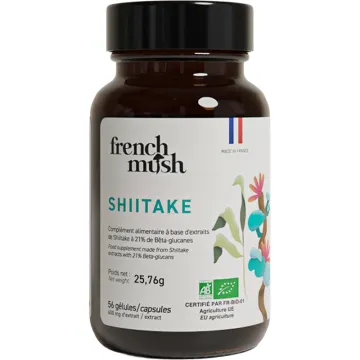
Choose mushrooms grown under controlled conditions, away from air pollution and contaminated soil, ideally certified organic. Verify that the product uses the mushroom’s fruiting body (sporophore) rather than mycelium grown on a cereal substrate, which dilutes the active compounds. Choose extracts standardized for beta-glucans (≥ 20% to 30%) and, ideally, double extracts (water and ethanol) to capture both water-soluble polysaccharides and fat-soluble triterpenes. The dosage form (capsules, powders, tinctures, herbal teas) should be chosen based on personal preference and treatment protocol, under the guidance of a pharmacist or a certified practitioner.
While mycotherapy is generally well tolerated, it is not without precautions, especially in cases of medication use or specific health conditions. The rule is clear: never begin a treatment regimen without professional advice if you have a chronic condition or are undergoing long-term treatment.
Reishi and Cordyceps interact with oral anticoagulants (warfarin, VKA, DOAC) and antiplatelet agents by increasing the risk of bleeding. Reishi may interfere with immunosuppressants (in transplant recipients or those being treated for autoimmune diseases). Chaga is not recommended for individuals with calcium-based urinary stones or for patients taking diuretics. Mycotherapy is not recommended during pregnancy and breastfeeding due to a lack of data, nor is it recommended for children without specific medical advice. Allergic reactions (asthma, rhinitis, hives) are possible in individuals sensitized to fungal spores. Always start with a reduced dose to assess tolerance, and discontinue use immediately if digestive disturbances, skin reactions, or unusual symptoms occur.