
Minor sleep disturbances refer to occasional and reversible disruptions—episodes of difficulty falling asleep, occasional nighttime awakenings, or restless sleep occurring in an identifiable context (occasional stress, a change in environment, an emotional event, or temporary overload) and lasting less than 3 weeks. They differ from chronic insomnia (> 3 months, ≥ 3 nights per week) in that they are temporary. They affect 30 to 45% of the adult population at some point. The relationship between stress and sleep is bidirectional—stress disrupts sleep, and lack of sleep increases reactivity to stress, creating a cycle that must be broken quickly.
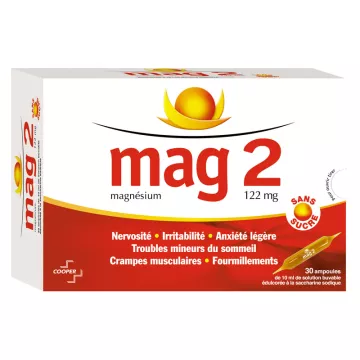
Magnesium is the ultimate anti-stress and sleep-promoting mineral—a deficiency in it (approximately 70% of French people fall below the recommended intake) is one of the most overlooked nutritional causes of minor sleep disturbances. It plays multiple roles in sleep:
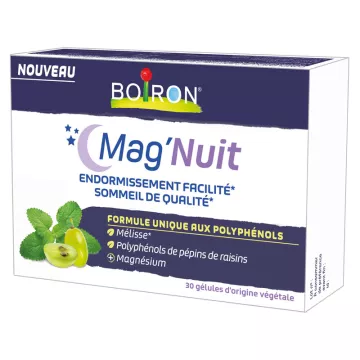
Nighttime magnesium formulas (bisglycinate or pidolate + vitamin B6 + zinc) are the first-line nutritional intervention for minor sleep disorders with an anxiety component.
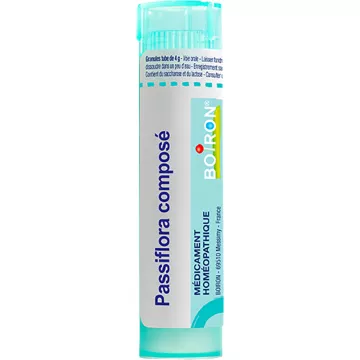
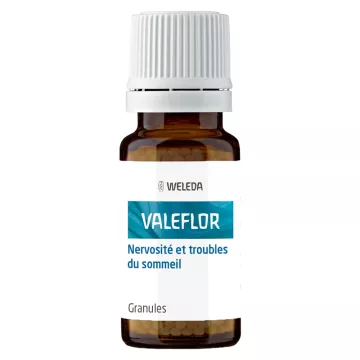
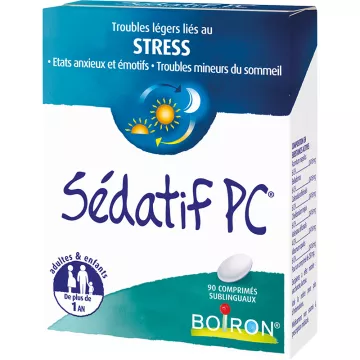
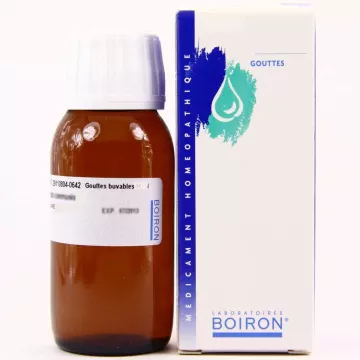
Homeopathy offers several approaches depending on the clinical profile:
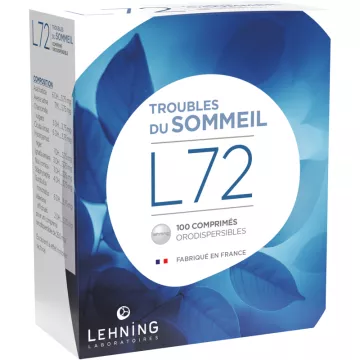
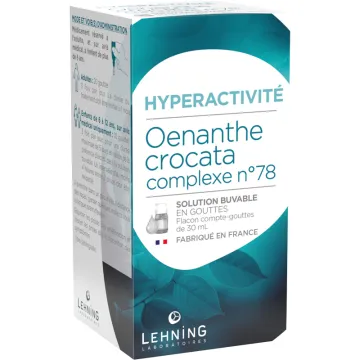
With no side effects or risk of dependence, and compatible with sedative herbs, 3 to 4 weeks are sufficient for minor disturbances. Persistent nighttime mentalhyperactivity warrants a combined approach of homeopathy, herbal medicine, and sleep hygiene.
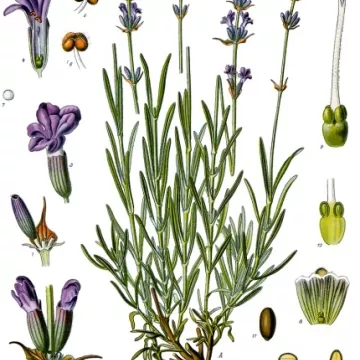
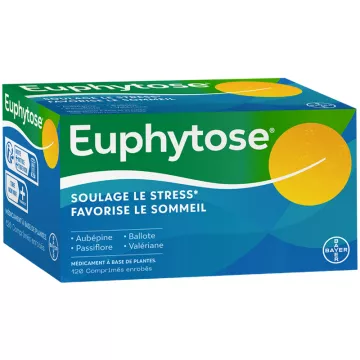
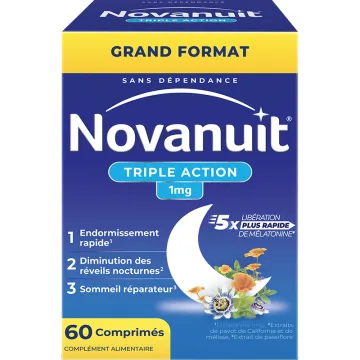
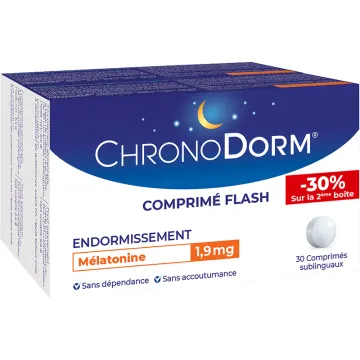
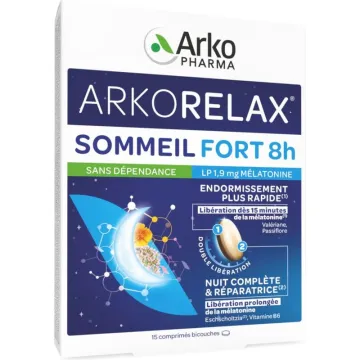
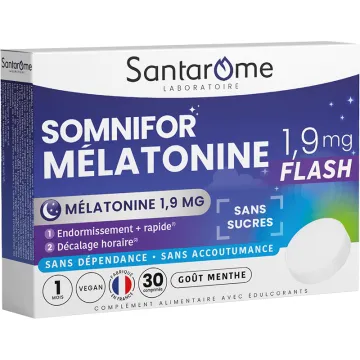
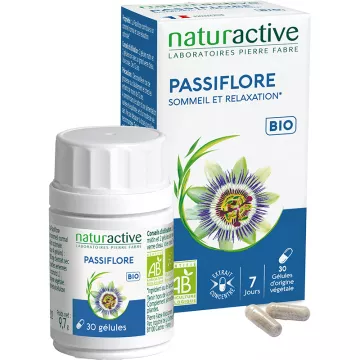
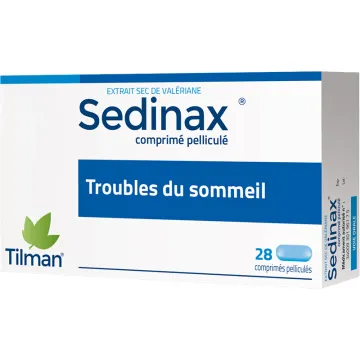
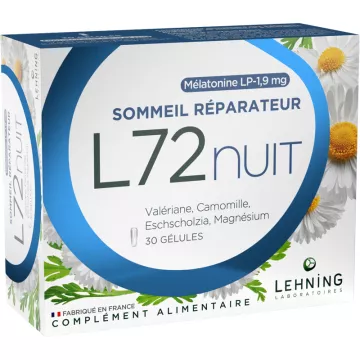
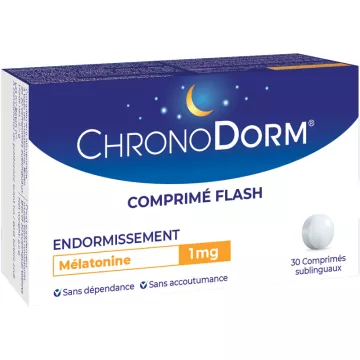
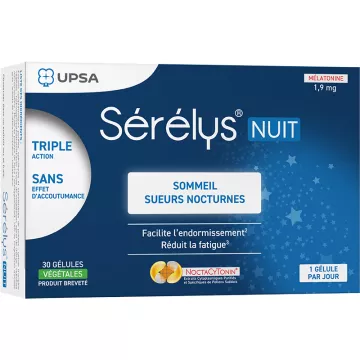
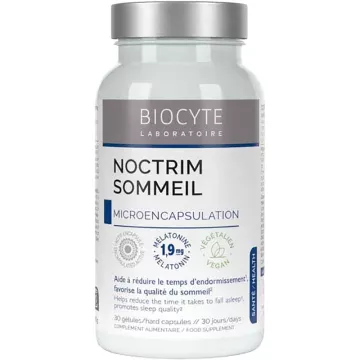
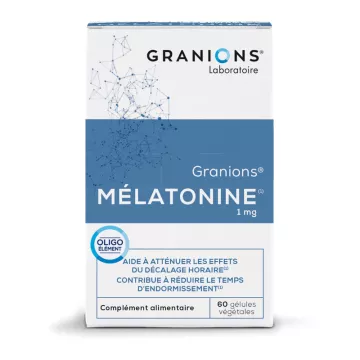
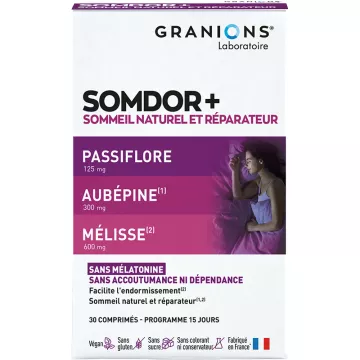
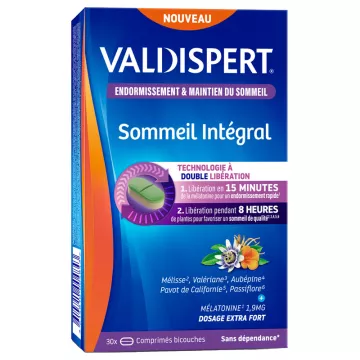
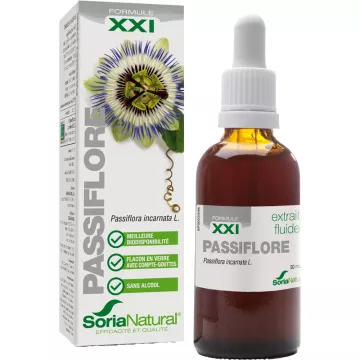
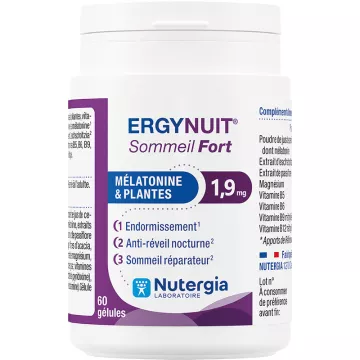
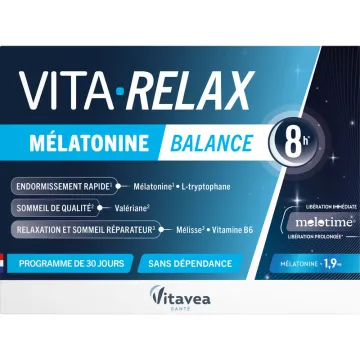
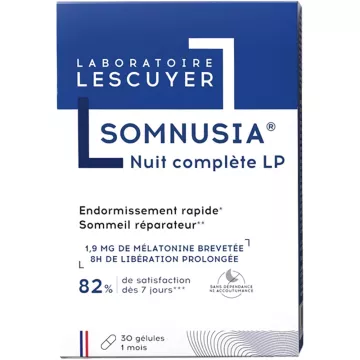
Combined melatonin and herbal formulas (passionflower + valerian + sustained-release melatonin 1.9 mg, or fast-acting melatonin + lemon balm + chamomile) provide an “all-in-one” approach for minor disorders with multiple components. Chronobiotic melatonin resets the circadian rhythm, while GABAergic herbs reduce pre-sleep anxiety and improve sleep continuity. The sustained-release (LP) form maintains its effect throughout the night. Lavender (dried flowers brewed as an evening tea or placed in a sachet under the pillow) exerts a mild anxiolytic effect through the sense of smell, even without ingestion. For disorders persisting for more than 3 weeks, a consultation to evaluate structured relaxation or CBT-I is recommended.
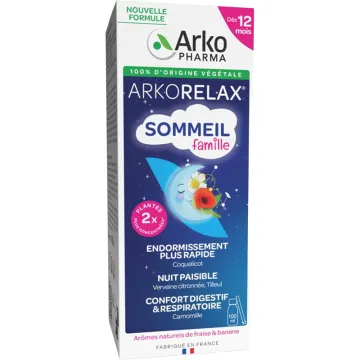
In children, minor sleep disturbances take specific forms: nightmares (REM phase, common between ages 3 and 8), night terrors (N3 phase, between ages 4 and 12, not remembered by the child), sleepwalking, and frequent awakenings. Pediatric marine magnesium (sticks or gummies) is recommended for restless or hypersensitive children with fragmented sleep. Pediatric homeopathy (Chamomilla, Coffea, Passiflora in 9CH granules) is suitable starting at 1 month of age. Guided relaxation in the evening (abdominal breathing, positive visualization) remains the most effective non-medicinal approach for anxious children.
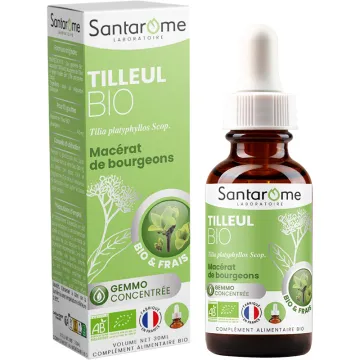
Beyond supplements, five bedtime rituals form the foundation for long-term sleep quality. Digital detox 1 hour before bedtime (screens, notifications). A choice of evening herbal tea (linden, lemon balm, chamomile, lavender—steep for 10 minutes, 2 cups). A lukewarm bath (37–38°C, 20 minutes) 1 to 2 hours before bedtime to accelerate the drop in core body temperature. Cognitive unloading journal (write down 3 concerns for the next day + 3 rough solutions—clears the mind before sleep). Cardiac coherence at bedtime (5 breathing cycles per minute, 5 minutes—reduces nighttime cortisol by 10 to 15%). Zinc bisglycinate (15 mg, at bedtime) rounds out nutritional support—a cofactor for melatonin and more than 300 enzymes involved in the neurological regulation of sleep.