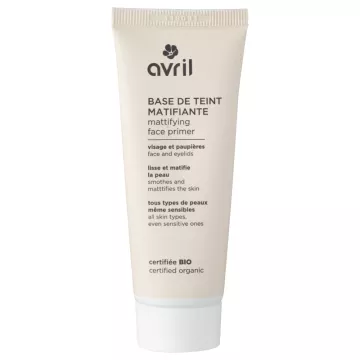
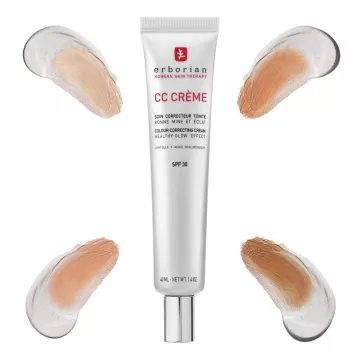
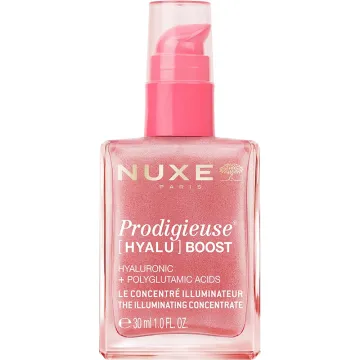
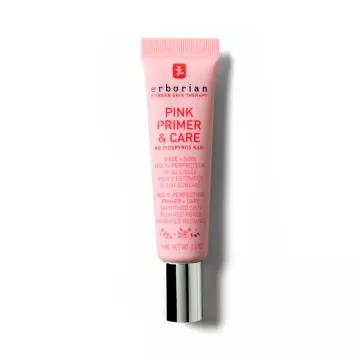
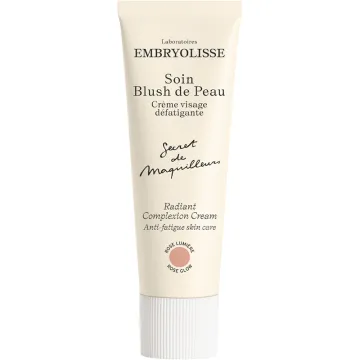
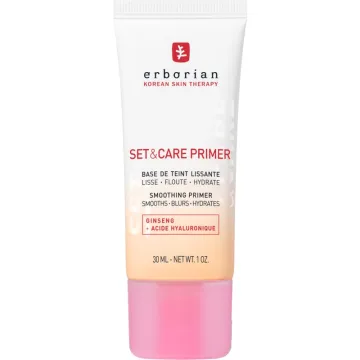
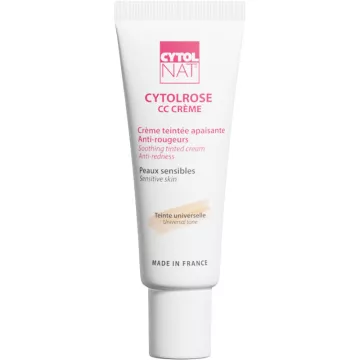
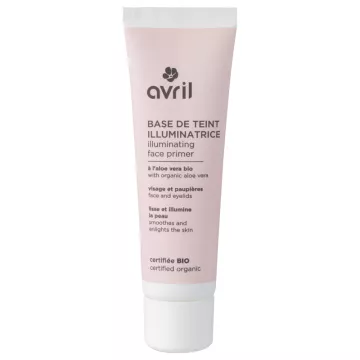
A primer is a cosmetic product used as a preparatory step to condition the skin just before applying foundation. Its main purpose is to create a smooth, even surface that allows for uniform makeup application and ensures longer-lasting wear throughout the day.
Depending on its formulation, a primer can mattify, hydrate, brighten, visually minimize pores, or provide color-correcting benefits (green to neutralize redness, mauve to counteract a dull complexion, yellow to neutralize bluish under-eye circles). It serves as an intermediate step between your skincare routine and makeup application itself, acting as an interface between the skin and the pigments.
Choosing the right primer depends on your skin type, your current needs, and the finish you’re looking for. A poorly chosen primer can be counterproductive and cause foundation to slide off instead of staying in place.
For oily skin, opt for a mattifying primer, formulated with silica or absorbent powders, which controls shine for hours after application. For dry skin, choose a hydrating primer enriched with glycerin, hyaluronic acid, or plant-based oils, which prevents dry patches and a powdery finish. For combination skin, balancing primers provide a matte finish for the T-zone while keeping the cheeks comfortably hydrated. For sensitive skin, choose hypoallergenic formulas with a short INCI list, no added fragrance, and dermatologically tested. To revive the radiance of a tired complexion, opt for illuminating primers containing very fine pearlescent particles distributed evenly across the face or targeted at areas that catch the light.
Applying a thin layer is the golden rule. Too much primer causes foundation to slide off and accentuates imperfections rather than correcting them.
Start with clean, moisturized, and thoroughly prepared skin, allowing the moisturizer to absorb for two to three minutes. Take a small amount of primer on your fingertips or the back of your hand to warm it slightly. Apply by gently patting from the center of the face outward, focusing on areas that need it (the T-zone to mattify, the sides of the nose to minimize enlarged pores, and the eyelids to help eyeshadow last longer). Let the primerset for one to two minutes before applying foundation, so that the cosmetic film can form and act as a primer.
Incorporating a primer into your routine offers several tangible benefits that are noticeable from the very first uses. Not all primers are created equal, depending on the formula you choose.
Longer-lasting makeup is the best-documented benefit: the primer creates a bonding film that minimizes transfer and smudging of the foundation as the day goes on. The visual blurring of imperfections and the “soft focus” effect on pores are achieved through reflective particles that interact with light. Some formulas enriched with antioxidants claim to provide partial protection against external aggressors (pollution, friction), within the limits of a cosmetic claim. The skin-perfecting effect evens out skin texture and radiance even without foundation applied on top. Finally, certain specialized primers provide a mattifying or moisturizing effect that complements the action of the day cream.
Yes, a primer can certainly be used without foundation on top, as a light cosmetic finish. This use appeals particularly to users seeking a natural look or quick skincare routines.
When used this way, the primer acts as a complexion enhancer: it visually blurs pores, evens out skin texture, provides a luminous or mattifying finish depending on the formula, and enhancesthe skin’s radiance without masking its natural quality. It’s a great option for casual days, working from home, exercising, or in hot climates where an extra layer would feel uncomfortable. However, sunscreen remains essential, as the primer alone does not provide sufficient UV protection—unless otherwise specified with a certified SPF.
Compatibility between the primer and foundation deserves special attention. A poor combination can lead to a cakey finish, patchiness, or reduced wear time.
The general rule is to pair formulas of the same type: water-based primers with water-based foundations, and oil-based primers (silicones, oils) with silicone-compatible foundations. If in doubt, test the combination on the inside of your wrist or forearm before wearing it for a full day. Most primers on the market today are formulated to be compatible with liquid, cream, powder, or stick foundations, but personal experience is the ultimate test. Foundations labeled “long-lasting” or “high coverage” generally work best when applied over a dedicated primer.
The shelf life of a primer depends on its formulation, packaging, and storage conditions. The PAO (Period After Opening) listed on the packaging provides a useful guideline.
A foundation primer generally lasts 12 to 24 months after opening, though sometimes less for organic formulas or opened containers. Signs of deterioration to look for include: changes in texture (separation, clumping, thickening), changes in color (oxidation, yellowing), unusual odors (rancid, sour), and a loss of effectiveness over time. Using an expired product carries risks of irritation, rashes, or bacterial growth, particularly for water-based formulas. The pictogram of a small open jar with a number (6M, 12M, 24M) on the packaging indicates the PAO (Period After Opening) recommended by the manufacturer; keeping a mental note of the opening date makes it easier to track the product’s use.
No. Although some foundation primers contain moisturizing active ingredients, they are not a substitute for a moisturizer formulated to nourish and protect the skin. The two products have complementary functions.
Moisturizer is designed to nourish the skin, restore the skin barrier, maintain the hydrolipidic film, and deliver targeted active ingredients over the long term. A primer is primarily a cosmetic product applied to the skin, whose main purpose is to prepare the skin for makeup and improve its staying power. In practice, always apply the moisturizer first, let it absorb for a few minutes, then apply the makeup primer on top. This sequence yields the best results for skin quality and makeup staying power. The complete selection can be viewed in the moisturizing category.
Daily use of a primer does not pose any skin tolerance issues, provided you follow a few best practices. How thoroughly you remove your makeup at night is just as important as the product you choose.
Three rules help maintain skin health when using a primer daily: Choose a formula suited to your skin type—one that’s non-comedogenic for blemish-prone skin and free of irritating ingredients for sensitive skin. Thoroughly remove makeup every evening with a cleansing oil or balm, followed by a gentle cleanser, to eliminate all traces of product and preserve the skin’s microbiome. Monitor for any reactions during the first few days of use (tightness, tingling, micro-pimples) and discontinue use if discomfort persists. A dermatological consultation is recommended for any unusual skin reaction that persists after discontinuing the product.
Mature skin has specific needs that specialized foundation primers are designed to address. The goal is to even out the complexion without accentuating fine lines or settling into expression lines.
Opt for moisturizing formulas with a satin finish, which provide a natural, luminous glow and avoid a powdery, cakey look. Look for active ingredients such ashyaluronic acid for plumping, cosmetic peptides forskin elasticity, antioxidants (vitamin E, stabilized vitamin C, polyphenols) for cellular protection, and very fine light-reflecting particles for a natural “healthy glow.” Avoid textures that are too heavy or too mattifying, as they can make the face look stiff and highlight dry areas. A dedicated selection of anti-aging serums can complement your daily routine to support long-term skin comfort.