What is intensive skin nutrition, and for which skin types is it intended?
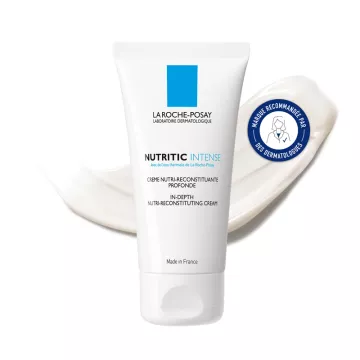
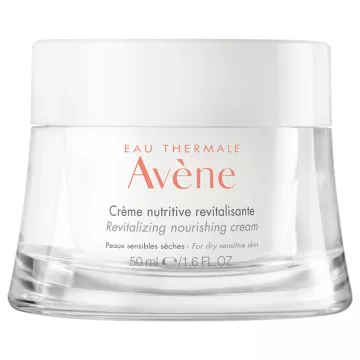
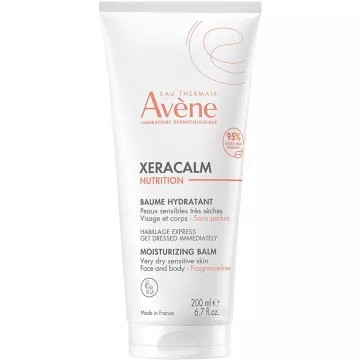
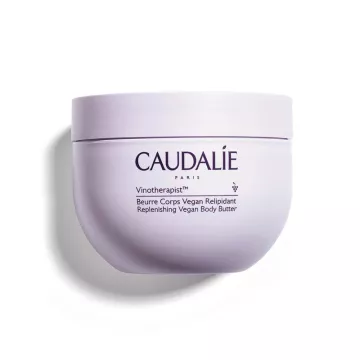
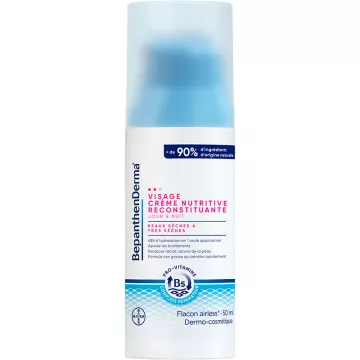
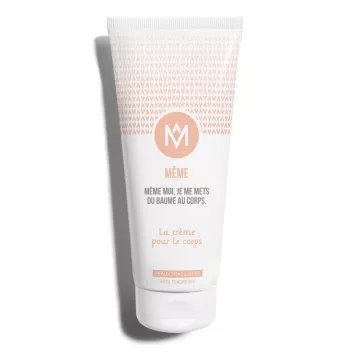
Intensive nutrition refers to a skincare approach that combines concentrated lipid and moisturizing active ingredients applied topically with nutritional support through diet. It primarily targets dry, very dry, mature, or fragile skin whose skin barrier is depleted of lipids—leading to excessive transepidermal water loss (TEWL). The skin becomes rough, dull, tight, and more sensitive to irritants. Nourishing and moisturizing products are available in the dry skin and moisturizing and nourishing care lines.
- Signs of undernourished skin: persistent tightness despite moisturizing—flaking and roughness—lack of radiance and a dull complexion—reduced elasticity—increased sensitivity and reactivity—pronounced skin furrows
- Aggravating factors: exposure to cold and wind — dry indoor heating — unprotected UV exposure — cleansing with harsh, alkaline products — nutritional deficiencies (omega-3, vitamin A, zinc) — chronic stress (cortisol impairs ceramide synthesis)
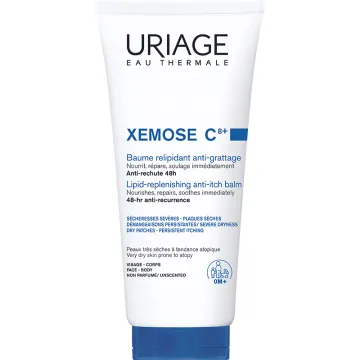
- Affected skin types: constitutionally dry skin — mature skin (reduced sebum production after age 50) — atopic skin in the maintenance phase — skin following exposure (sun, chemotherapy, dermatological treatments)
Which topical active ingredients provide intense nourishment for the face?
Lipid-based active ingredients rebuild the hydrolipidic film and replenish depleted intercornocytic lipids. Hydrophilic active ingredients retain water in the stratum corneum. An effective nourishing formula combines both types. Applying the product in the evening to slightly damp skin optimizes the penetration of lipid-based active ingredients.
- Ceramides: structural lipids of the intercellular cement—the gold standard for restoring the skin barrier—account for 40 to 50% of epidermal lipids—available in cream or serum form to be applied morning and night
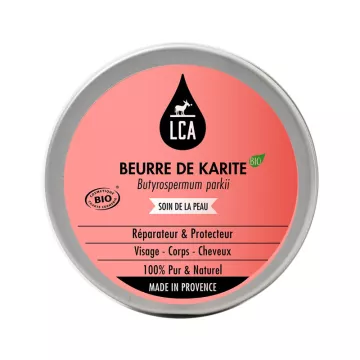
- Shea butter: rich in unsaturated fatty acids (oleic, linoleic) and unsaponifiables (vitamins A, E, phytosterols)—an emollient and barrier protector—in a night treatment or weekly nourishing mask
- Plant-based squalane (derived from olives or sugarcane): an analog of skin squalene—very well tolerated, non-comedogenic—light and easily absorbed—ideal for dry, sensitive, or reactive skin
- Hyaluronic acid: a humectant that retains up to 1,000 times its weight in water within the dermis—a combination of low molecular weight (for epidermal penetration) and high molecular weight (to form a surface film)
- Nourishing plant oils: argan (essential fatty acids + vitamin E), rosehip (natural retinol, linoleic acid—for mature skin), jojoba (a liquid ester structurally similar to human sebum)
Which dietary nutrients support skin health?
- Omega-3 (EPA-DHA): essential for keratinocyte membrane fluidity—skin anti-inflammatories (reduction of pro-inflammatory cytokines IL-6, TNF-α) — sources: fatty fish twice a week, fish oil supplementation 2–3 g/day
- Vitamin A: regulates cell turnover and keratinocyte differentiation — deficiency causes xerosis and hyperkeratosis — sources: liver, butter, egg yolk, orange vegetables (beta-carotene precursor)
- Vitamin C and vitamin E: synergistic antioxidants — protect cell membranes against lipid peroxidation — vitamin C regenerates oxidized vitamin E
- Zinc: a cofactor for more than 300 enzymes—promotes wound healing and maintains the integrity of the skin barrier—regulates sebum production
- Oralhydrolyzed collagen (2.5–10 g/day) + probiotics (gut-skin axis — reduction of intestinal hyperpermeability and systemic skin inflammation) — hydration: 1.5–2 L/day to transport nutrients to skin cells