What is a highlighter, and how do you use it?
A highlighter is a makeup product designed to reflect light on specific areas of the face and draw the eye. Unlike blush, which adds color, or foundation, which evens out the complexion, a highlighter works with light: it accentuates facial contours, gives a “healthy glow,” revitalizes tired complexions, and creates the appearance of healthy, well-rested skin.
For best results, choose a shade that matches your skin tone:
- Very fair skin tones: pearlescent pink shades, pale champagne, cool pearlescent shades.
- Medium skin tones: champagne, peach, and rose gold shades.
- Golden and matte skin tones: warm gold, bronze, coppery.
- Dark skin tones: intense gold, coppery, deep bronze, sometimes burgundy or pearlescent plum.
Apply after foundation, concealer, and blush, using a specific brush (fan-shaped or powder brush) or directly with your fingers for cream textures. The goal is a luminous yet subtle finish that appears to come from within the skin rather than from a product applied on top.
Which highlighter textures should you choose?
Highlighter comes in several forms, each suited to a specific skin type and finish:
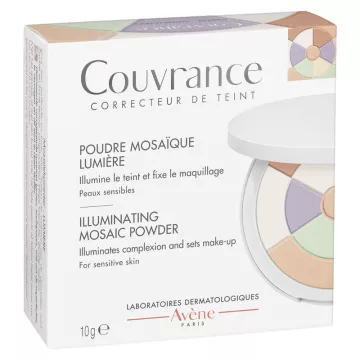
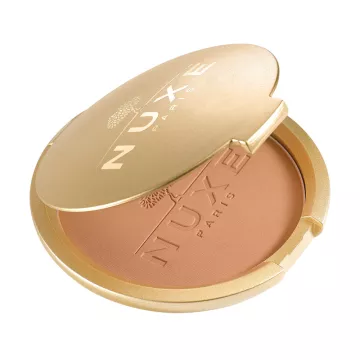
- Powder: the most commonly used, easy to control the amount, ideal for combination and oily skin. Apply with a fan brush. May accentuate fine lines on mature skin.
- Cream or balm: Blends seamlessly into the skin, perfect for dry and mature skin. Natural finish, almost “bare skin.” Apply with your fingers, a sponge, or a flat brush.
- Liquid: very luminous and intense; can be mixed with foundation for an all-over effect. Works best on well-moisturized skin.
- Stick: convenient for touch-ups on the go; allows for direct, targeted application.
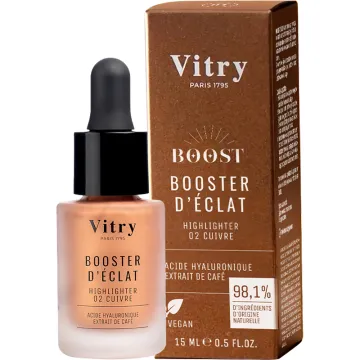
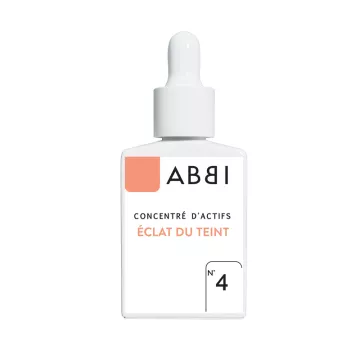
- Drop: Highly concentrated in reflective pigments; mix with day cream or foundation for an all-over glow.
How do you choose the right highlighter for your skin type?
The choice of texture depends on your skin type:
- Oily skin: compact or mineral powders, oil-free formulas, satin finishes rather than glittery ones (shimmery particles accentuate pores and natural shine ).
- Dry skin: moisturizing creams, balms, or illuminating drops mixed with your day cream; powders can emphasize dry areas.
- Combination skin: tailor your routine to specific areas—use cream on the cheekbones (drier areas) and a light powder on the T-zone to minimize excessive shine.
- Mature skin: cream or liquid textures, without coarse particles, to avoid emphasizing fine lines; a satin finish rather than a glittery one; aim for a radiant complexion without accentuating skin texture.
- Sensitive skin: Formulas free of denatured alcohol, fragrance-free, hypoallergenic, and containing mineral particles. Opt for certified organic makeup if you’re looking for short INCI lists.
Which areas of the face should be highlighted?
Certain areas naturally catch the light and benefit from a highlighter:
- The tops of the cheekbones, sweeping slightly upward toward the temples: an immediate lifting effect that enhances the eyes.
- Bridge of the nose: apply a thin line to visually refine the nose; apply in short strokes on narrow noses to avoid a shiny appearance.
- Cupid’s bow (above the upper lip): creates a fuller look and highlights the lipstick.
- Brow bone: just below the eyebrow, to open up the eyes.
- Inner corner of the eye: a “wake-up” effect that makes the eyes appear larger.
- Center of the upper eyelids: adds depth to the eyes.
- Tip of the chin: apply very lightly to define the lower part of the face.
For a natural finish, it’s best to highlight 2 to 3 areas rather than all of them: too much scattered light blurs contours instead of sculpting them.
How can you incorporate highlighter into your daily routine?
The order ofapplication in your makeup routine:
- Skincare (serum, moisturizer, sun protection—see sunscreen).
- Primer (optional).
- Foundation.
- Concealer under the eyes and on blemishes.
- If using powder: loose setting powder—apply the powder highlighter over this base. For cream or liquid formulas: apply the highlighter before the powder, while the skin is still damp.
- Blush.
- Highlighter on targeted areas.
- Eye, eyebrow, and lip makeup.
- Setting spray for long-lasting wear.
For everyday use, one simple step is often all it takes: a dab of highlighter on the tops of the cheekbones and the Cupid’s bow creates an effortless “healthy glow.”
How can you tell if a highlighter is high-quality?
A few criteria set a good highlighter apart:
- A fine, silky texture, without coarse particles that accentuate pores or an overly visible “glitter” effect (except for festive looks).
- Effective pigmentation: a single application is enough to reveal your natural glow. No need to layer it on.
- No buildup on the skin or shifting throughout the day.
- Lasts for several hours without fading, ideally without needing touch-ups until midday.
- Good light diffusion without turning gray or metallic on golden and dark skin tones.
- Skincare-focused formula: the new generation includes moisturizing active ingredients (hyaluronic acid, glycerin), antioxidants (vitamin E, polyphenols), and sometimes niacinamide or vitamin C.
- Sustainable ingredients: mineral particles (mica, oxides), plant-based powders (perlite, rice), free of plastic microbeads (banned in Europe in rinse-off cosmetics since 2018), paraben-free, and cruelty-free formulations (animal testing banned in cosmetics in the EU since 2013).
- Hygienic and easy-to-usepackaging.
Can the highlighter be used on the body?
Yes,the highlighter can enhance several areas of the body, especially when wearing a low-cut top:
- Collarbones: a light stroke to highlight them and add dimension to the décolletage.
- Shoulders: a sheer layer to catch the light, especially in the evening.
- Shins and the front of the legs: a lengthening and slimming effect, like a satiny mist.
- The groove between the pectoral muscles or the chest: creates a sense of depth.
- Ankle and back of the knee: a subtle touch.
For the body, opt for specific formulas (shimmering dry oils, body mists, shimmering balms) with good staying power. Always apply to clean, dry skin in moderate amounts.
What mistakes should you avoid when applying?
Some common pitfalls to avoid:
- Over-application: Too much highlighter creates a “greasy” or “shiny” look—the opposite of the desired glow. Apply in light strokes and blend.
- Wrong placement: Applying highlighter under the cheekbones or on the lower cheeks draws light to the wrong areas and makes the face look heavy. Stick to the higher areas that naturally catch the light.
- Inappropriate shade: A highlighter that’s too pale on dark skin creates an “ashen” look; a shade that’s too golden on very fair skin looks artificial.
- Glittery texture on mature skin: accentuates fine lines. Opt for satin or “luminous” finishes without coarse particles.
- Highlighter on unprepared skin: on dry, unmoisturized skin, the product clings to rough areas. Moisturize the skin first, or even add a touchof aloe vera or serum to prepare the surface.
- Using too many shimmery products (highlighter + pearlescent eyeshadow + illuminating primer + glow foundation): results in an overall look that’s too shiny. Choose only one illuminating product per area.
- Applying without a lighted mirror: The mirror’s light should reflect the lighting conditions where you’ll be wearing the makeup (daylight or evening lighting).
What role does highlighter play in contouring?
Highlighter is the essential complement to contouring: without it, the shaded areas appear flat and lifeless. Contouring relies on a play of light and shadow:
- Areas to define with a dark contour (1 to 2 shades darker than your skin tone): under the cheekbones, along the jawline, on the sides of the nose, and the upper hairline.
- Areas to highlight with highlighter: tops of the cheekbones, bridge of the nose (if you want to make it appear more defined), Cupid’s bow, center of the forehead, tip of the chin.
- Blend thoroughly between the two: no visible lines.
- Desired effect: defining the face’s structure, enhancing natural contours, and creating the illusion of corrected asymmetry.
Intense contouring for photos and events differs from everyday “natural contouring,” where the touches are much more subtle and the result should remain invisible to the naked eye.
What innovations are there in highlighters?
Several recent developments are expanding the range of options:
- “Hybrid skincare” highlighters: the incorporation of skincare active ingredients (vitamin C, niacinamide, hyaluronic acid, vitamin E, peptides) for an immediate luminous effect and long-term skin benefits.
- Next-generation reflective pigments: micronized micas, polychromatic pearls, and duochrome particles (that shift color depending on the angle of light).
- Very subtle“innerglow” effects, with no visible glitter, for a natural finish.
- Certifiedvegan and cruelty-free formulas: a premium line of ethical products.
- Refillable packaging made from glass, recycled plastic, or bio-based materials.
- Biodegradable particles replacing plastic microbeads (banned in Europe for certain categories of cosmetics).
- Sunscreen filters incorporated into certain liquid or cream highlighters, making them ideal for daytime use.
- Inclusive shade ranges: expanded color selections for all skin tones, from the lightest to the deepest.
- Multifunctional: hybrid highlighters that can be used as blush, eyeshadow, or luminous lipstick.