What daily habits can help brighten your face?
To brighten your complexion, the key is a regular routine tailored to your skin type:
- Gently cleanse your face morning and night to remove impurities, pollution, and makeup residue without stripping the skin’s barrier.
- An alcohol-free toner to rebalance the skin (the “pore-tightening” effect is cosmetic and temporary: pores do not close permanently).
- An antioxidant serum with stabilized topical vitamin C in the morning.
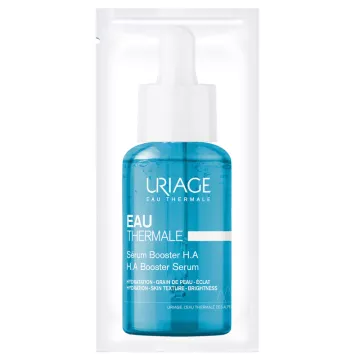
- A moisturizer enriched with hyaluronic acid, glycerin, or ceramides.
- Broad-spectrumsunscreen SPF 30 to 50 every morning, year-round—the #1 anti-aging step and your best ally for a lasting, radiant complexion.
Which skincare products brighten the complexion?
Several cosmetic active ingredients are known to support radiance and promote a more even complexion:
- Stabilized topical vitamin C: an antioxidant that supports radiance and helps minimize the appearance of superficial blemishes.
- Glycolic acid and other AHAs: gentle chemical exfoliation that reveals radiance.
- Kojic acid: used in cosmetics for its effect on melanogenesis; capped at 1% in Europe. May cause allergies or skin sensitization; use with caution. Not recommended during pregnancy or while breastfeeding.
- Niacinamide: a versatile active ingredient for an even skin tone and skin comfort.
- Arbutin, tranexamic acid, azelaic acid: cosmetic active ingredients traditionally used to treat pigmentation irregularities.
Important: Hydroquinone has been banned in cosmetics in Europe since 2001 (Regulation (EC) No. 1223/2009) and remains a prescription-only medication. No legal over-the-counter skin-lightening cream may contain it.
All exfoliating active ingredients cause skin photosensitivity: strict sun protection is mandatory.
How can nutrition influence the skin’s radiance?
A balanced diet plays an important role in the overall health of the skin:
- Foods rich in antioxidants: berries (blueberries, blackberries, strawberries, blackcurrants), citrus fruits, leafy green vegetables, grapes, green tea, unsweetened cocoa.
- Omega-3s: fatty fish (salmon, sardines, mackerel), chia and flax seeds, nuts. They support skin comfort and overall suppleness.
- Zinc, selenium, vitamins C and E: trace minerals and vitamins that support the body’s antioxidant defenses.
A targeted course of vitamin C or antioxidants may be considered upon a pharmacist’s advice. Regular hydration (an average of 1.5 to 2 L/day for a healthy adult) is also recommended.
What makeup techniques can enhance your skin’s radiance?
Makeup can significantly enhance the skin’s natural radiance:
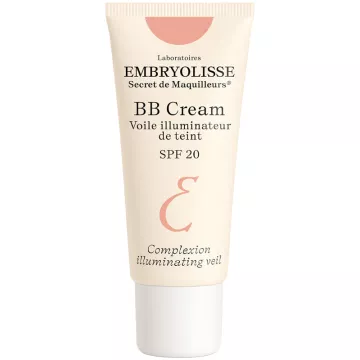
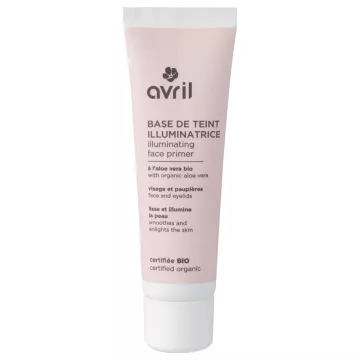
- Prepare the skin with an illuminating primer that evens out the complexion.
- Choose a foundation with a satin or luminous finish rather than a completely matte one.
- Apply a highlighter in subtle strokes to the high points of the face: cheekbones, bridge of the nose, brow bone, and Cupid’s bow.
- Opt for cream or liquid textures for a natural look, rather than very shimmery powders.
- Don’t forget to thoroughly remove your makeup at night: careful makeup removal is essential for radiant skin every day.
What professional treatments are available to brighten and illuminate the complexion?
For faster results, several professional procedures are available at dermatology or aesthetic medicine clinics: chemical peels, microdermabrasion, lasers, intense pulsed light (IPL), and LED therapy. These approaches fall under the medical or paramedical field.
A preliminary consultation is essential to assess the suitability of the treatment, the expected benefits, possible side effects (redness, peeling, temporary photosensitivity, post-inflammatory hyperpigmentation on darker skin), and contraindications (pregnancy, breastfeeding, specific medical history, skin type). On medium to dark skin (phototypes IV to VI), certain lasers must be used with caution to avoid pigmentary complications.
What role does hydration play in the skin’s radiance?
Consistent hydration is essential for a luminous complexion. Well-hydrated skin better maintains its comfort, suppleness, and ability to reflect light. Conversely, dehydrated skin appears duller, rougher, and marked by fine dehydration lines.
A healthy adult should drink an average of 1.5 to 2 liters of water per day, adjusted for activity level and climate. Use a suitable moisturizer morning and night that contains hyaluronic acid, glycerin, or ceramides. Internal hydration is no substitute for topical hydration: the two are complementary.
What lifestyle habits affect the skin’s radiance?
Several habits can negatively impact skin quality:
- Smoking: reduces skin microcirculation, accelerates aging, and causes the complexion to lose its radiance.
- Excessive alcohol consumption: dehydration, skin congestion, and increased redness.
- Chronic lack of sleep: dull complexion, more pronounced dark circles, and tired-looking skin.
- Chronic stress: elevated cortisol levels, weakening of the skin barrier, and breakouts.
- Urban pollution: oxidative stress and accelerated photoaging.
Conversely, a balanced lifestyle (sufficient sleep, regular physical activity, a varied diet, and stress management) remains one of the most powerful factors in maintaining a radiant complexion over time.
How do exfoliants help brighten the complexion?
Exfoliation removes dead skin cells from the stratum corneum, revealing a brighter complexion and enhancing the absorption of skincare products:
- AHAs (glycolic, lactic, and mandelic acids): gentle chemical exfoliation that enhances radiance.
- BHA (salicylic acid): lipophilic exfoliation, suitable for combination to oily skin and enlarged pores.
- Enzymes (papain, bromelain): a gentle alternative for sensitive skin.
- Mechanical exfoliants: use gently; avoid on sensitive, atopic, or rosacea-prone skin.
Recommended frequency: 1 to 2 times per week. Do not over-exfoliate (irritation, dryness). All chemical exfoliants cause photosensitivity, requiring daily sun protection.
What are the benefits of aromatherapy for brightening the face?
Aromatherapy can support overall well-being and, indirectly, skin health through stress management. Certain essential oils are traditionally used in cosmetics: true lavender, rose geranium, sandalwood, ylang-ylang, and Roman chamomile.
Strict precautions (essential oils are potent products):
- Always dilute in a carrier oil (jojoba, argan, sweet almond). Never apply undiluted.
- Perform a skin test 24 to 48 hours before first use.
- Contraindications: pregnancy, breastfeeding (most essential oils), infants and children under 3 to 6 years of age depending on the oil, and people with asthma or epilepsy for certain essential oils.
- Photosensitizing essential oils (citrus: bergamot, lemon, orange): Do not expose the skin to the sun for 12 to 24 hours after application.
- Consult a pharmacist or trained aromatherapist before any regular use on the face.