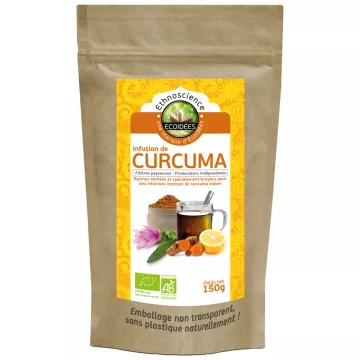
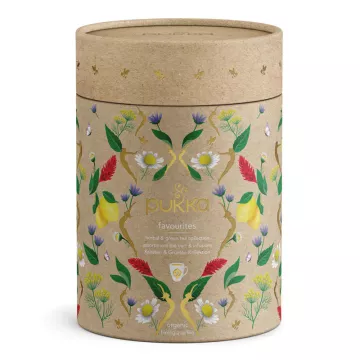
What is herbal tea?
Herbal tea is a beverage made by steeping or boiling plants, flowers, roots, or seeds in hot water. A practice dating back thousands of years, it originated in the ancient Egyptian, Greek, and Roman civilizations, which already used it for medicinal and wellness purposes.
Most herbal teas are naturally caffeine-free (unlike tea made from Camellia sinensis), making them suitable for any time of day. Herbal tea combines traditional benefits, hydration, and a soothing ritual, making it an accessible daily companion for everyone. For chamomile and mint in particular, additional resources are available.
Which herbal teas are best for your needs?
Each plant has its own traditional uses:
- Sleep and relaxation: chamomile, linden, lemon balm, passionflower, valerian, verbena, orange blossom
- Digestion: peppermint, ginger, fennel, anise, star anise, rosemary
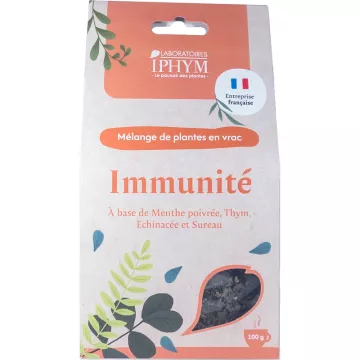
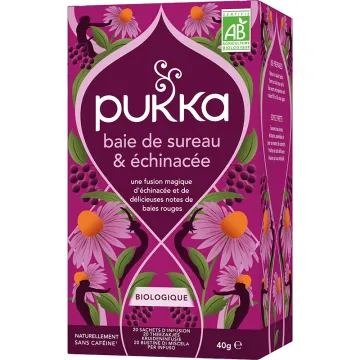
- Immunity and colds: thyme, elderberry, echinacea, cinnamon, eucalyptus
- Drainage and detox: dandelion, birch, stinging nettle, meadowsweet, cherry stem
- Energy and focus: rosemary, ginseng, mate (morning only, due to caffeine)
For lemon balm, linden, and ginger in general, specific resources are available.
How to prepare it properly?
A few simple rules optimize the extraction of active ingredients:
- Preferablyorganic ingredients: no pesticide residues that dissolve in hot water
- Simmering water (85–95 °C), not boiling: preserves the delicate active ingredients
- 1 tablespoon of dried herbs per cup (250 ml)
- Cover and let steep for 5 to 10 minutes: this traps the volatile essential oils
- Decoction (simmer for 10–15 minutes) for roots and barks (fresh ginger, cinnamon, licorice)
- Strain and enjoy immediately, without sugar or with a little honey (only after 1 year)
Adding lemon, spices, or honey enriches the flavor and provides additional nutrients. For thyme and peppermint in general, specific resources are available.
When is the best time to drink which herbal tea?
Choosing the right time based on the desired effect maximizes the benefits:
- Morning: rosemary, verbena, and mint to start the day
- After meals: digestive teas (peppermint, fennel, ginger, anise)
- Afternoon: detoxifying, invigorating (nettle, dandelion, thyme)
- Evening: soothing teas (chamomile, linden, lemon balm, passionflower) at least 1 hour before bedtime
- Seasonal: spring regimens (detox), fall regimens (immunity)
- Summer: iced herbal teas (brewed hot then cooled) for refreshing drinks
For passionflower and valerian in general, specific resources are available.
What precautions should you take?
A few guidelines for proper use help preserve the benefits:
- Vary the herbs rather than taking a prolonged course of the same herb (ideally 3 weeks with a break)
- Pregnancy and breastfeeding: many herbs are contraindicated; consult a pharmacist
- Infants: adjust doses, choose mild herbs (chamomile, linden, fennel), do not use before 6 monthsof age
- Documenteddrug interactions: St. John’s wort, ginkgo, licorice, ginseng
- Chronic conditions (high blood pressure, diabetes, kidney or hormonal disorders): Consult a pharmacist
- Store in an airtight container, protected from light, in a cool, dry place
Herbal tea is a supplement to a balanced lifestyle and is not a substitute for medical treatment or a doctor’s visit if symptoms persist. Your licensed pharmacist remains a valuable resource for guiding your choice of herbs based on your goals and identifying any contraindications, in addition to appropriate medical care. Forhawthorn in general, specific resources are available.