Why are heels particularly prone to skin problems?
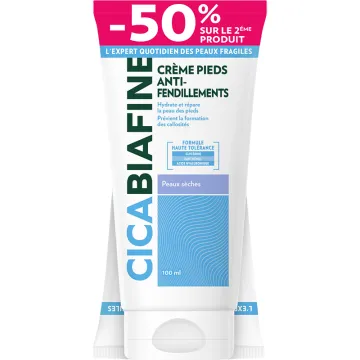
The heel is the area of the foot that experiences the most intense pressure and friction when walking and standing. The skin there is naturally thicker (thickened stratum corneum) in response to this chronic mechanical stress. Without regular care, this keratinization gets out of control: the skin thickens excessively, dries out, and eventually cracks. Foot care products are available in the foot care line, and specific creams are available in the dry foot cream line.
- Plantar keratosis and calluses: localized thickening of the stratum corneum in response to pressure and friction—heel calluses are the thickest on the body—aggravating factors: excess weight, prolonged standing, ill-fitting shoes (too tight or without heel support), walking barefoot on hard surfaces
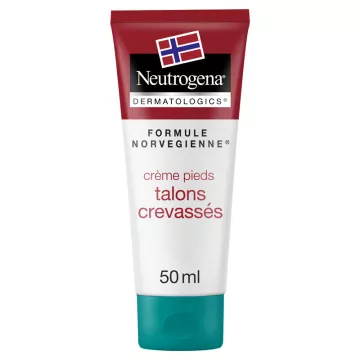
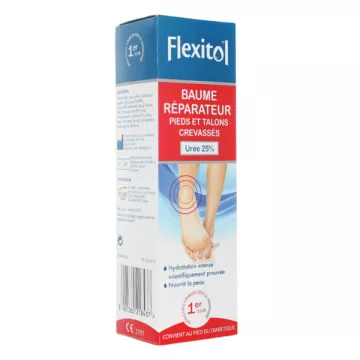
- Dry, cracked heels: the skin on the heels, which is under heavy strain, also has few sebaceous glands—it dehydrates more easily than the rest of the body—cold, dry air, and excessively hot foot baths accelerate this drying—see treatments for cracked heels
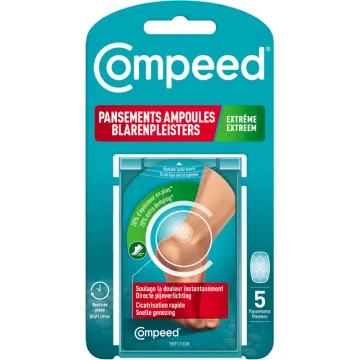
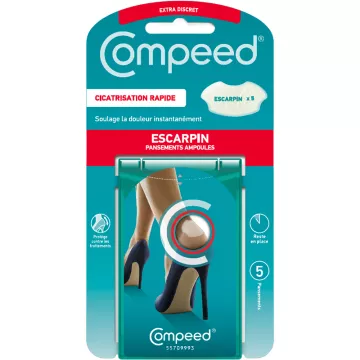
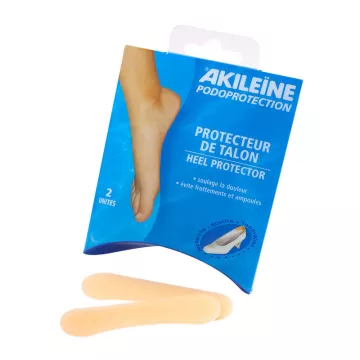
- Blisters and areas of friction: These occur when the upper layers of the epidermis break down due to repeated friction—wearing new shoes without a break-in period, not wearing socks, intense physical activity
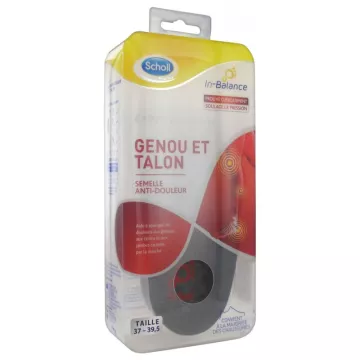
- Heel pain: Plantar fasciitis (inflammation of the plantar fascia) causes pain on the underside of the heel, which is most severe when lifting the foot after rest—not to be confused with overheated feet (a diffuse burning sensation)
What active ingredients and treatments should be used for daily heel care?
- Urea (10–40%): the gold standard keratolytic and humectant for the feet—at 10–20%: moisturizes and softens plantar keratosis daily—at 30–40%: provides intensive keratolysis of thick calluses in a short treatment course (1 to 2 weeks)—apply in the evening, cover with a cotton sock to maximize penetration
- Salicylic acid (5–20%): lipophilic keratolytic agent — softens hyperkeratotic areas resistant to urea alone — effective on corns and calluses — apply topically to the thickened area only, protecting the surrounding healthy skin
- Shea butter: deeply nourishing — vitamins A and E in unsaponifiable components — forms an occlusive film that locks in moisture in the stratum corneum of the heel — apply a thick layer as a nighttime treatment under a cotton sock
- Aloe vera gel and coconut oil: light moisturizing after a foot bath — aloe vera (soothing and moisturizing as a daytime treatment) — coconut oil (protective occlusive film for minor cracks)
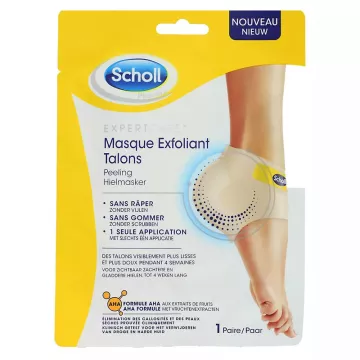
- Mechanical exfoliation: Use an electric foot file or pumice stone on slightly damp skin (after a 10-minute warm foot bath)—1 to 2 times a week—never use on dry skin or deep cracks—range of electric foot files
What foot care routine promotes healthy heels?
- Daily routine: warm foot soak (not too hot—5 to 10 min) — Thoroughly dry between the toes and on the heels — Apply a 10–20% urea cream or a nourishing balm to dry, slightly damp heels — Wear cotton or bamboo socks after application to maximize absorption
- Weekly routine: gentle mechanical exfoliation of thickened areas — apply a shea butter or coconut oil mask at night under a sock — check for cracks (see a podiatrist if they are deep or bleeding)
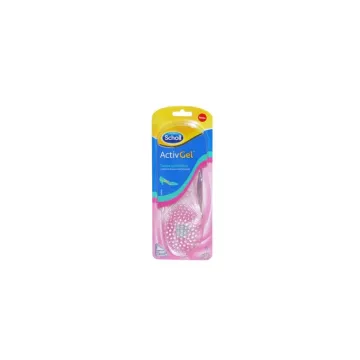
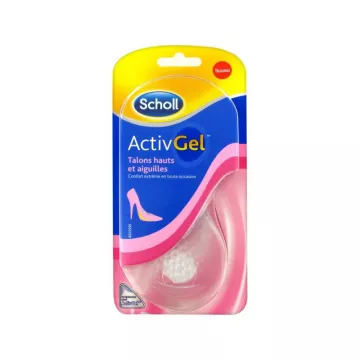
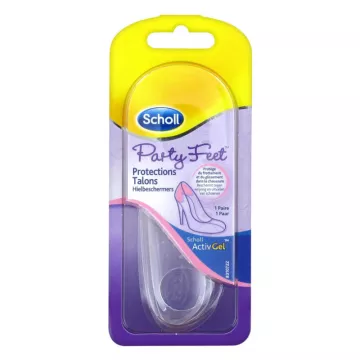
- Proper footwear: heels with adequate arch support (arch and heel cushioning)—avoid shoes with rigid, flat soles (plantar fasciitis) as well as very high-heeled shoes (pressure imbalance)— cracked heels are worsened by flat-soled sandals without heel edge protection
- Consult a podiatrist in the following cases: very thick calluses that are resistant to treatment — deep, bleeding cracks — persistent heel pain — diabetes (regular podiatric exams are mandatory)