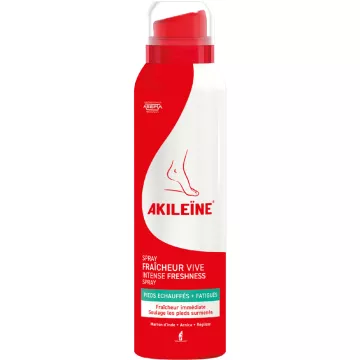
What are hot feet, and what causes them?
" Hot feet " refers to a persistent burning, warm, or tingling sensation in the feet—distinct from the normal warming sensation that occurs after physical activity. This symptom can result from benign causes (prolonged wear, friction) or indicate an underlying medical condition requiring professional advice. Foot care products are available in the store’s foot care line.
- Unsuitable shoes: shoes that are too tight, non-breathable materials, soles without cushioning—prolonged friction and skin compression—the primary modifiable cause
- Overuse and prolonged standing: accumulation of microtraumas to the soles of the feet—excessive strain on soft tissues—exacerbated by being overweight
- Fungal infections (athlete’s foot): itching + burning sensation between the toes—context: damp environments (swimming pool, locker room), synthetic socks—appropriate antifungal treatment
- Circulatory disorders: peripheral venous or arterial circulatory insufficiency — warm feet sometimes associated with swelling at the end of the day
- Peripheral neuropathy: very common in uncontrolled type 2 diabetes — characteristic nighttime burning sensations — a symptom requiring urgent medical evaluation if suspected
- Other causes: hypothyroidism (fluid retention) — vitamin B deficiency (particularly B12, which plays a role in nerve conduction) — medications (statins, chemotherapy)
How can you soothe hot feet on a daily basis?
Local relief measures aim to lower skin temperature, reduce inflammation, and restore comfort. When combined with preventive measures, they are sufficient in the vast majority of cases with mechanical causes.
- Cold or cool foot baths: soak your feet in water at 15–18 °C for 10 to 15 minutes—provides a rapid vasoconstrictive effect and immediate relief — add 4 to 5 drops of peppermint essential oil diluted in a dispersing base (refreshing and local anesthetic effect from menthol — not recommended for children under 7 or pregnant women)
- Chilled purealoe vera gel: Apply a generous layer to the soles of the feet and toes—soothing, moisturizing, and refreshing—3 to 4 times a day during flare-ups
- Foot antiperspirants: Excessive sweating softens the skin and worsens blisters—products containing aluminum salts from the foot antiperspirant line
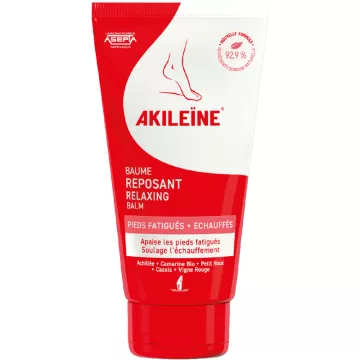
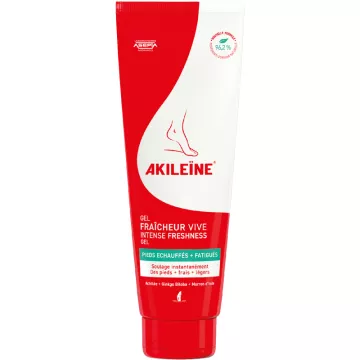
- Soothing and refreshing creams: containing camphor, menthol, arnica, or calendula—stimulates local circulation, provides a prolonged cooling sensation—apply by massaging upward from the toes toward the ankle
- Elevate the lower limbs for 15 to 20 minutes at the end of the day—promotes venous return and reduces foot congestion in cases of associated venous insufficiency
How to prevent hot feet and when to seek medical advice?
- Proper footwear: roomy in the forefoot, made of leather or breathable mesh, with cushioned insoles and arch support—change shoes throughout the day when standing for long periods—cotton or bamboo socks (to wick away moisture)
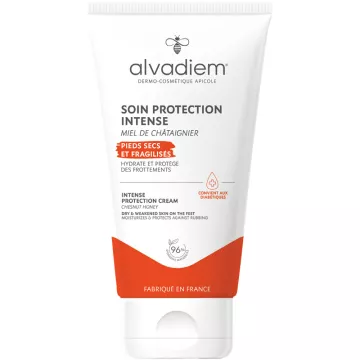
- Foot hygiene: daily cleaning + thorough drying between the toes (to prevent fungal infections) — moisturize the heels and soles with a rich cream (not between the toes to avoid maceration)
- Diet and supplements: omega-3 (anti-inflammatory for the circulatory system) — magnesium (nerve conduction and cramp relief) — vitamin B12 (neuroprotection — blood test recommended if experiencing nighttime burning sensations)
- Consult a doctor if: severe or bilateral nighttime burning sensations — symptoms persist despite treatment — significant swelling or redness — associated loss of sensation — history of diabetes — suspected neuropathy or vascular disorder