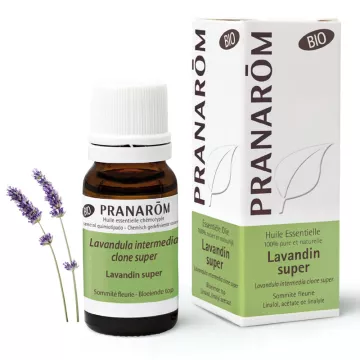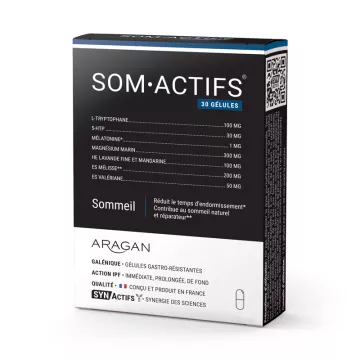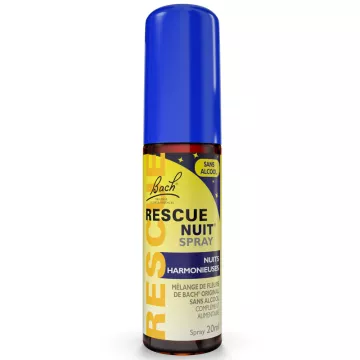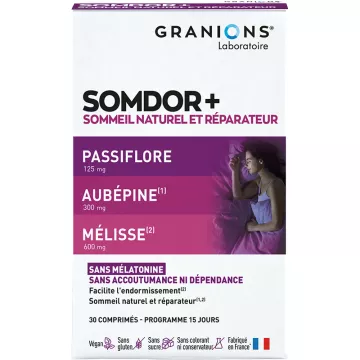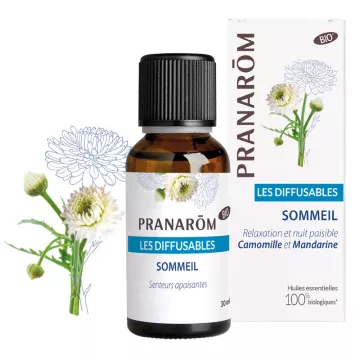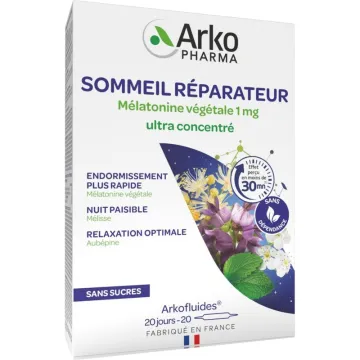
Healthy sleep is defined by several cumulative criteria: sufficient duration (7 to 9 hours for adults, 8 to 10 hours for adolescents, 11 to 14 hours for young children), a normal sleep architecture (4 to 6 cycles of 90 minutes alternating between N1, N2, N3, and REM sleep), a short sleep onset latency (< 20 minutes), and spontaneous, refreshed awakening. Healthy sleep has documented effects on immunity (consolidation of the immune response to vaccination, production of regulatory cytokines during N3), metabolism (regulation of ghrelin/leptin, prevention of type 2 diabetes), cognition (memory consolidation during REM sleep), and cardiovascular longevity. Persistent sleep disturbances warrant treatment, just asinsomnia does.
Sleep hygiene refers to the set of behaviors and environmental conditions that optimize sleep quality:
Effective stress management complements these pillars—chronic stress is the leading cause of long-term sleep quality decline.
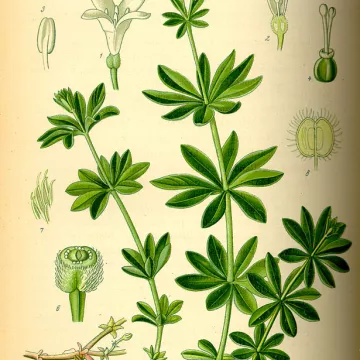
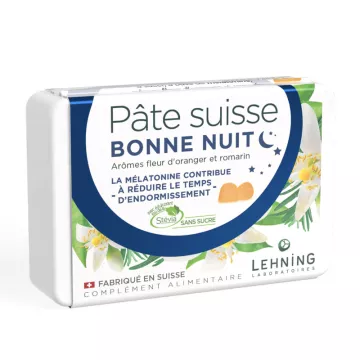
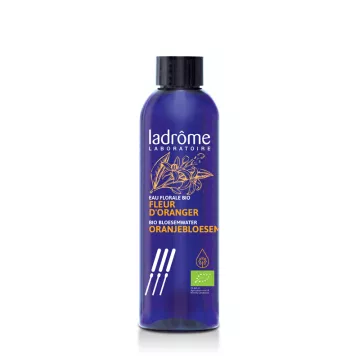
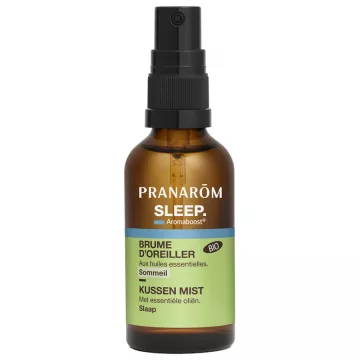
Two less common but well-documented botanical active ingredients. Sweet woodruff (Galium odoratum, coumarins + glycosidic iridoids) is a herbaceous plant with a vanilla/fresh-cut hay scent traditionally used in sachets placed under the pillow—its volatile compounds exert a mild sedative effect through the sense of smell. Orange blossom floral water (Citrus aurantium hydrosol, terpene alcohols + linalool + linalyl anthranilate) is the go-to aromatherapeutic hydrosol for nighttime anxiety—spray it on the pillow or dilute it in a warm bath before bedtime. Milder than neroli essential oil, it is safe for use even on infants.Cornflower floral water can be combined with it for its complementary softening and soothing properties.
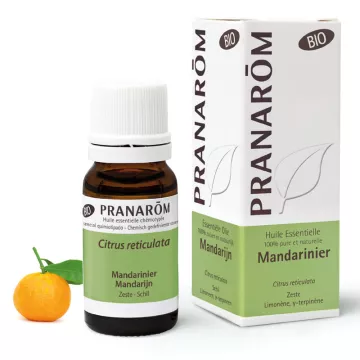
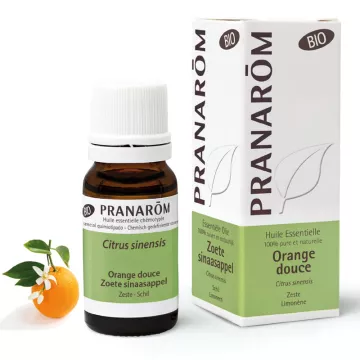
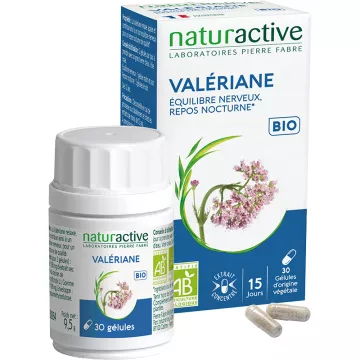
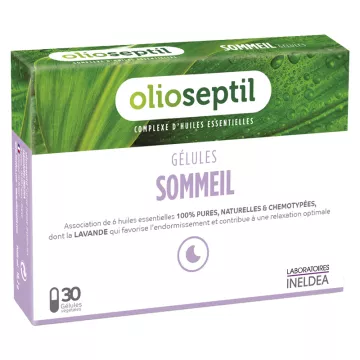
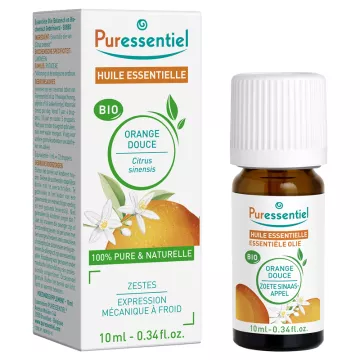
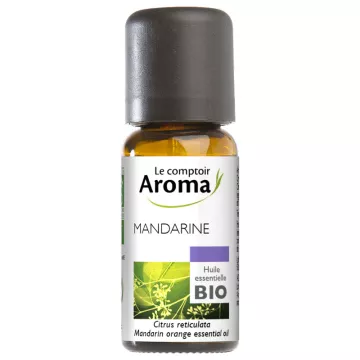
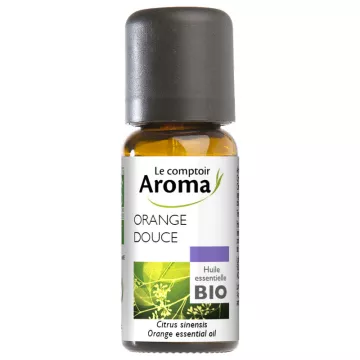
Sweet orange essential oil (limonene ≥ 90%) is the mildest essential oil for nighttime diffusion—its limonene exerts a mild anxiolytic effect by activating GABA-A receptors and modulating serotonin levels. When diffused 15–20 minutes before bedtime or taken in nighttime-release capsules, it sets the stage for falling asleep. Phytostandard extracts (EPS, glycerin extracts standardized for active ingredients) offer superior bioavailability compared to dry forms. Valerian EPS (valeric acid + standardized valepotriosides) and hawthorn EPS (standardized flavonoids + procyanidins) are the two most well-documented phytostandard formulas—their combination addresses sleep onset latency (valerian) and nocturnal cardiac agitation (hawthorn).
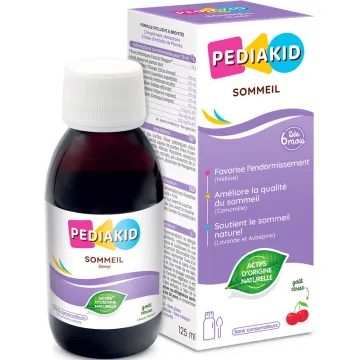
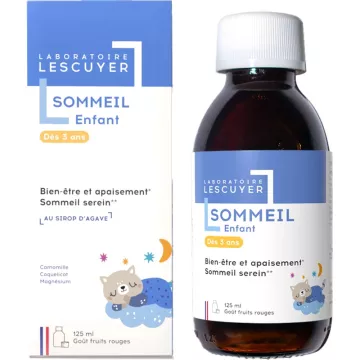
A child’s sleep is essential for their neurological and immune development—during N3 sleep, 80% of the daily total of growth hormone is secreted. Chronic sleep deprivation leads to attention disorders, reactive hyperactivity, and increased susceptibility to infections. Pediatric formulas (melatonin syrup + lemon balm + passionflower, for ages 3 and up) are the first line of natural treatment. Orange blossom floral water sprayed on the pillow (1–2 sprays, starting in infancy) is the gentlest aromatherapy approach. A consistent bedtime routine (same time, same sequence) is the most effective behavioral strategy.
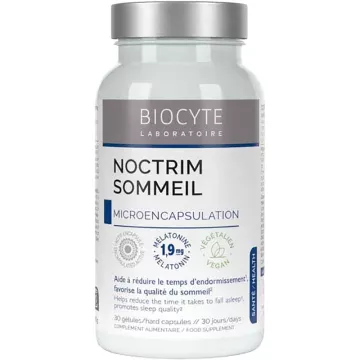
Beyond traditional sedative herbs, three nutritional ingredients contribute to sustained sleep quality. Magnesium bisglycinate (300–400 mg at bedtime) modulates NMDA and GABA-A receptors, reduces nighttime muscle tension, and optimizes the synthesis of endogenous melatonin. Tryptophan (500 mg to 1 g at dinner) is the dietary precursor to serotonin and subsequently to melatonin—its regular dietary intake (eggs, nuts, legumes, pumpkin seeds) or as a supplement supports natural nighttime hormone production. The combination of valerian and hops (methylbutenol with GABA-A activity) is the best-documented phytotherapeutic synergy for improving sleep onset latency and sleep continuity without causing dependence during 4- to 6-week treatment courses.