






Insomnia is a sleep disorder characterized by a persistent difficulty falling asleep, staying asleep, or sleeping for a sufficient amount of time despite favorable conditions. Three clinical subtypes are distinguished:
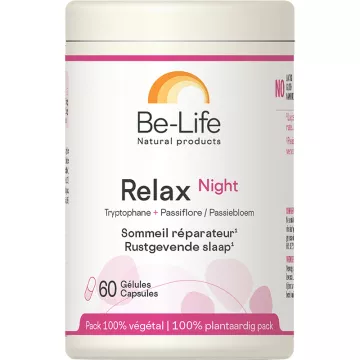
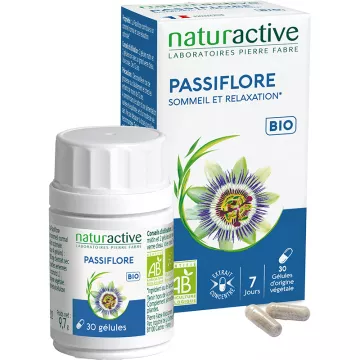
A distinction is also made between acute insomnia (< 3 months, a reaction to a stressful event) and chronic insomnia (> 3 months, ≥ 3 nights per week). A passionflower (flavonoids + harman compounds, a mild GABAergic sedative) taken as a course of treatment is the first-line approach for anxiety-related difficulty falling asleep.
Insomnia most often indicates an underlying cause that needs to be identified. The most common causes are:
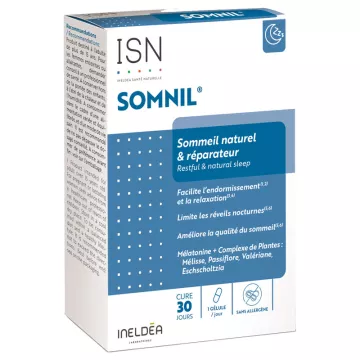
Lemon balm (Melissa officinalis, rosmarinic acid, a GABA-transaminase inhibitor) has a mild anxiolytic and sedative effect—particularly recommended for insomnia caused by anxiety or situational stress.
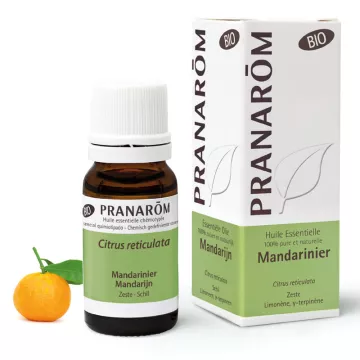
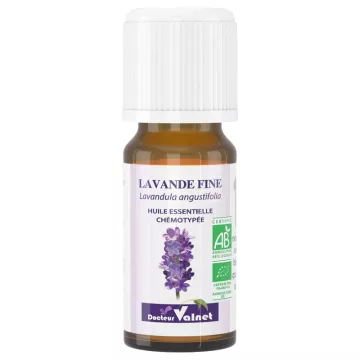
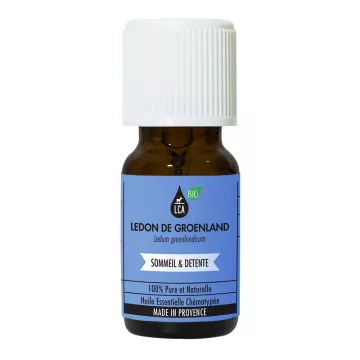
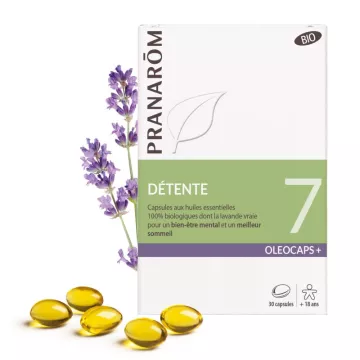
Three sedative herbs are the first-line treatment for mild to moderate insomnia. Valerian (valepotriosides + valerianic acid, 450–900 mg/day of standardized extract) is the best-documented herb for reducing sleep latency and improving deep sleep quality. Passionflower (harmanes + flavonoids) reduces nighttime anxiety and makes it easier to fall asleep without causing dependence. Lavender (linalool + linalyl acetate, acting on GABA-A receptors and serotonin secretion) is available as an essential oil (diffused 15 minutes before bedtime) or as extract capsules (80 mg/day; efficacy documented for mild anxiety).
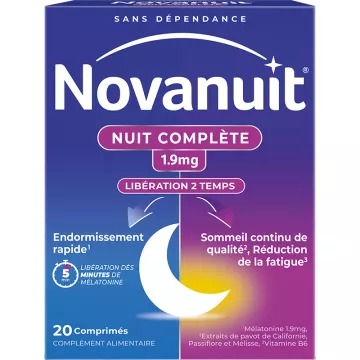
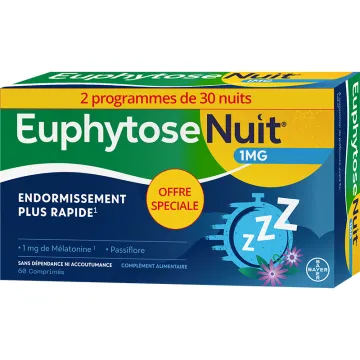
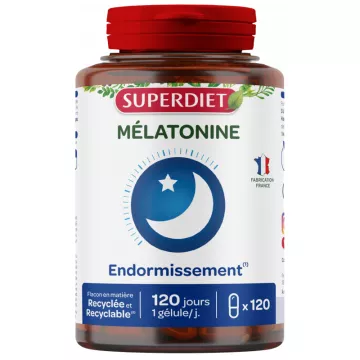
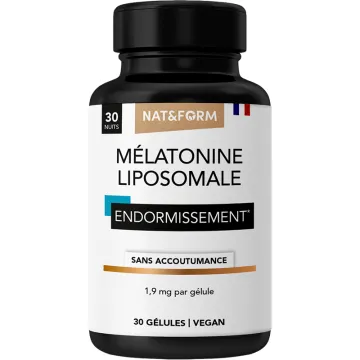
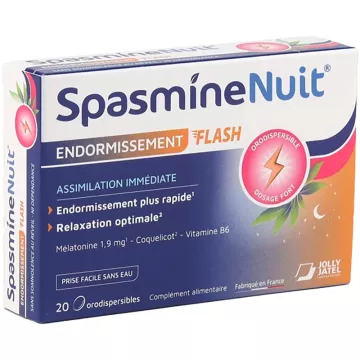
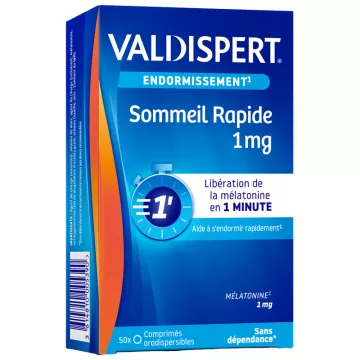
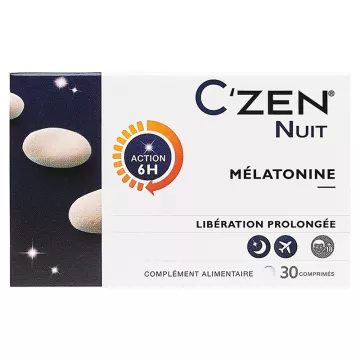
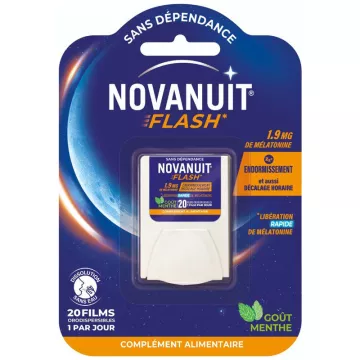
Melatonin is the “darkness hormone”—secreted by the pineal gland in response to darkness, it initiates the transition from wakefulness to sleep. Two formulations address distinct needs:
Jet lag is one of the best indications for immediate-release melatonin (1–3 mg at bedtime in the destination time zone).
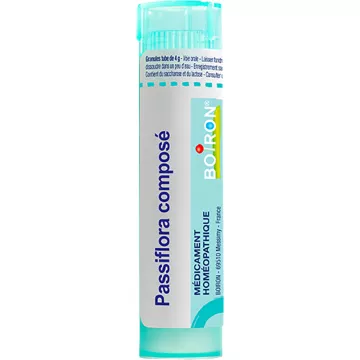
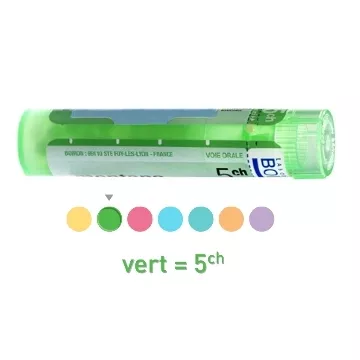
Homeopathy tailors treatment to the individual’s clinical profile:
5 granules at bedtime for 1 to 3 months.Children with insomnia can also benefit from specially formulated pediatric remedies (Chamomilla, Coffea, Passiflora).
Chronic insomnia (> 3 months, ≥ 3 nights per week) with significant daytime impact (severe fatigue, difficulty concentrating, irritability) requires medical care. Cognitive-behavioral therapy for insomnia (CBT-I) is the standard of care according to the Haute Autorité de Santé—it is superior to sleeping pills in the long term, with no side effects or risk of dependence. Sleeping pills (benzodiazepines, Z-drugs) should only be used for short-term treatment (< 4 weeks)—they can lead to dependence and rebound insomnia upon discontinuation. Linden (flavonoids, evening herbal tea) provides gentle support throughout the non-pharmacological treatment process.