What Does a Healthy Glow Look Like in Everyday Life?
A healthy glow reflects overall health and well-being through the appearance of the skin. It is characterized by:
- A fresh, even, and radiant complexion without excessive variations in skin tone
- A smooth skin texture with barely visible pores
- Visiblywell-hydrated skin, without tightness or flakiness
- A well-rested appearance, without pronounced dark circles or under-eye bags
- Preserved elasticity and daily skin comfort
- No visiblesigns of fatigue: dull complexion, ashy skin
Far from being a static state, a healthy glow results froman overall balance between diet, sleep, stress management, physical activity, and appropriate skincare. No cosmetic product can permanently compensate for an unbalanced lifestyle. For skin prone to photoaging, a holistic approach remains the most effective.
What are the pillars of a lasting healthy glow?
Seven complementary pillars form the foundation of a sustainable approach:
- Internal hydration: at least 1.5 L of water per day, adjusted according to activity level and temperature
- A balanced diet rich in fruits, vegetables, omega-3s, and antioxidants
- Dailysun protection, winter and summer alike
- 7 to 9 hoursof quality sleep per night
- A skincare routine tailored to your skin type, including cleansing, moisturizing, and targeted treatments
- Regular, moderatephysical activity
- Stress management through appropriate relaxation techniques
- Avoiding harmful behaviors: smoking, excessive alcohol consumption, chronic sleep deprivation
Each of these pillars may seem modest on its own, but their combination produces a visible effect. Consistency is far more important than occasional intensity.
What foods promote radiant skin?
Diet plays a direct role in the visible quality of the skin:
- Colorful fruits and vegetables: 5 servings a day for vitamins and antioxidants
- Carotenoids: carrots, sweet potatoes, mangoes, apricots, tomatoes (documented “healthy glow” effect)
- Green vegetables: spinach, lamb’s lettuce, broccoli, kale (folate, vitamin K)
- Berries: blueberries, raspberries, blackberries, pomegranate (powerful polyphenols)
- Fatty fish twice a week: salmon, mackerel, sardines (omega-3 EPA-DHA)
- Nuts and seeds: walnuts, almonds, flaxseeds, pumpkin seeds (vitamin E, essential fatty acids)
- Avocado and olive oil (monounsaturated fatty acids)
- Zinc-rich foods: oysters, lean meat, legumes
- Green tea: specific antioxidants (catechins)
- Unsweetened cocoa in moderation (flavonoids)
- Limit fast-acting sugars and ultra-processed foods (contributors to inflammation and skin irregularities)
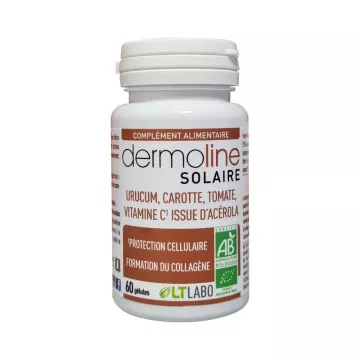
For targeted support, see our natural antioxidants section and our carotenoid products.
How often should you exfoliate based on your skin type?
Exfoliation should be tailored to avoid damaging the skin barrier:
- Normal skin: Once a week, using a gentle or enzymatic exfoliant
- Dry skin: Once a week at most, using gentle enzymatic exfoliants
- Combination skin: 1 to 2 times a week, depending on the area
- Oily skin: Up to twice a week with a gentle exfoliant containing salicylic acid or AHAs
- Sensitive skin: no more than once a week with an ultra-gentle exfoliant, or avoid exfoliation altogether depending on tolerance
- Acne-prone skin: gentle chemical exfoliation with salicylic acid rather than mechanical exfoliation (which aggravates breakouts)
- Mature skin: 1 to 2 times a week, combined with rich moisturizers
Signs of excessive exfoliation: tight skin, persistent redness, increased sensitivity, a burning sensation when applying skincare products, and the appearance of paradoxical breakouts. If you notice these signs, space out your exfoliation sessions and opt for gentle formulations. Chemical exfoliation (AHA, BHA) requires consistent sun protection.
Why use SPF even in winter?
Sun protection is necessary year-round, for several reasons:
- UVA rays are present year-round at nearly constant intensity and penetrate clouds and glass
- UVA rays are the primary cause of skin aging, dark spots, and sagging
- UVB rays are less intense in winter but are responsible for sunburn at high altitudes (skiing, winter sports)
- The cumulative effect of daily exposure over the years
- Reflection off snow: up to 80% of UV rays are reflected off snow-covered surfaces
- Blue light from screens and natural light also contributes to skin damage
- Protection for sensitiveactive cosmetic ingredients (retinol, AHAs, vitamin C)
Choose an SPF of at least 30 for your daily routine, and SPF 50 for sensitive skin or skin prone to dark spots. Modern mineral and chemical filters are well-tolerated by the skin. For prolonged exposure, high-SPF sunscreen remains the gold standard.
How does sleep affect the skin?
Sleep is one of the most powerful regulators of skin quality:
- Nighttimecellular repair: peak regeneration activity between 11 p.m. and 4 a.m.
- Balancedhormone secretion (melatonin, cortisol, growth hormone)
- Improvedskin microcirculation during deep sleep
- Better retention ofmoisture
- Elimination of cellular waste by the lymphatic system
Sleep optimization:
- Regular bedtime and wake-uptimes, even on weekends
- Appropriate duration: 7 to 9 hours depending on age and individual needs
- Cool (18 to 20 °C), dark, and quietbedroom
- Avoid screens for at least 1 hour before bedtime (stimulating blue light)
- A soothing eveningroutine: reading, stretching, herbal tea without stimulating herbs
- Light meal at least 2 hours before bedtime
- Limit caffeine after 2 p.m. and alcohol in the evening
- Sleep on your back as much as possible to minimize wrinkles
- Cleanpillowcase, ideally made of silk or satin
Quality sleep remains one of the best beauty treatments—it’s free and natural.
How can you manage stress to maintain a radiant complexion?
Chronic stress visibly affects the skin through several mechanisms:
- Elevated cortisol levels, which weaken the skin barrier
- Low-grade inflammation that contributes to breakouts and a dull complexion
- Vasoconstriction, which impairs microcirculation
- Increased oxidative stress, which accelerates skin aging
- Imbalanced sebum production and an increased risk of breakouts
Effective techniques:
- Cardiac coherence: 3 times a day, 5 minutes, 6 breaths per minute
- Mindfulness meditation as a short- or long-term practice
- Gentle yoga or activities combining breathing and movement
- Sophrology and positive visualization
- Walks in nature, exposure to natural light
- Reading, music, and creative hobbies that bring joy
- Meaningfulsocial connections, expressing emotions
- Limiting stimulants (caffeine, alcohol, screen time in the evening)
- Adaptogenic herbs as recommended by a pharmacist (rhodiola, ashwagandha)
The key is to find a routine that works for you and to stick with it over the long term.
How does physical activity support a radiant complexion?
Regular physical activity offers several benefits for the skin:
- Improved skinmicrocirculation
- Increased delivery of oxygen and nutrients to cells
- Increased elimination through sweating and the lymphatic system
- Hormonal regulation and reduction of chronic stress
- Improved sleep quality
- Long-termanti-inflammatory effect through regular, moderate exercise
- Natural post-workout"glow" linked to increased microcirculation
- Psychological well-being that shows on the face
- Preservation of skinfirmness through muscle support
WHO Recommendations: 150 minutes of moderate-intensity activity per week (brisk walking, cycling, swimming) or 75 minutes of vigorous-intensity activity. Precautions: Remove makeup before exercising, rinse your face with lukewarm water immediately afterward, drink plenty of water, and avoid rubbing your face with a rough towel. For acne-prone skin, a tailored post-workout routine helps prevent breakouts.
What supplements can help maintain a healthy glow?
Based on a pharmacist’s advice, certain dietary supplements can support skin health, particularly during the winter or when you’re feeling tired:
- Vitamin C: an antioxidant that supports normal collagen metabolism
- Vitamin E: protects against oxidative stress
- Selenium: supports cellular protection
- Zinc: helps maintain healthy skin
- Omega-3 (DHA-EPA): essential fatty acids for the skin barrier
- Carotenoids: precursors to vitamin A, support a healthy, radiant complexion
- Beta-carotene: oral sunscreen preparation for the summer season
- Spirulina: vitality and nutritional support
- Vitamin D in cases of documented deficiency (common in winter)
- Magnesium for fatigue or stress
A personalized assessment by your licensed pharmacist allows you to tailor your supplements to your actual needs. Routine supplementation without a specific medical indication offers no additional benefit beyond a balanced diet.
What habits should you avoid to protect your skin?
Several habits can permanently damage your skin’s radiance:
- Active and passivesmoking: dull complexion, accelerated aging (Tabac Info Service: 3989)
- Excessive alcohol consumption: dehydration, dilated blood vessels, skin fatigue
- Chroniclack of sleep: dark circles, ashen complexion, accelerated aging
- Unprotected sun exposure: photoaging, dark spots, loss of elasticity
- Tanning beds: not recommended by dermatologists (risk of melanoma, accelerated aging)
- Unbalanced diet: excess simple sugars, ultra-processed foods
- Unmanaged chronic stress
- Inappropriate skincare routine or accumulation of irritating ingredients
- Touching blemishes with your fingers
- Excessive rubbing of the face (rough towels, too vigorous makeup removal)
- Water that’s too hot on the face, which dries out the skin barrier
- Failure to remove makeup at night
- Prolonged inactivity
- Insufficient oral hydration
Adjusting just a few of these habits often yields visible results within a few weeks, without changing your skincare products. A balanced approach that integrates skincare, diet, sleep, and stress management remains the secret to a lasting, healthy glow.