What is flatulence, and how does it differ from other gas-related disorders?
Flatulence refers to the expulsion through the anus of gases produced in the intestine—CO₂, H₂, methane, and H₂S (hydrogen sulfide, which causes the odor). It should be distinguished from belching (oral expulsion of gastric air) and aerophagia (excessive swallowing of air). Flatulence is a normal consequence of colonic fermentation—when excessive, it indicates an imbalance. Our “Flat Stomach” line offers targeted solutions.
- Normal frequency: 8–20 flatulence episodes per day—production of 200–2,000 mL of intestinal gas per day depending on fermentation—significantly increased without being pathological after a meal rich in fermentable fiber
- Source of gas: bacterial fermentation of indigestible fiber in the colon → CO₂ + H₂ (main products) + CH₄ (methane producers: 30% of individuals) + H₂S (sulfuric odor from proteins)
- Odor of flatulence: related to H₂S (rotten eggs) produced by the fermentation of sulfur-containing proteins (meat, eggs, cheese)—not to H₂ or CO₂ (odorless)
- Immediate vs. delayed postprandial flatulence: immediate = aerophagia (swallowed air) — delayed (1–3 hours) = colonic fermentation (fiber, FODMAPs)
- Holding in gas: increases discomfort and cramps—expulsion is a physiological process and preferable to prolonged retention
Trigger foods and an anti-flatulence diet
- Highly fermentable foods: legumes (beans, lentils, chickpeas — galactooligosaccharides), cruciferous vegetables (broccoli, cabbage, cauliflower—glucosinolates), onions and garlic (fructans), Jerusalem artichokes and artichokes (inulin)
- Lactose intolerance: unabsorbed lactose → massive fermentation → flatulence + cramps 30 minutes to 2 hours after consuming dairy products — elimination diet or H₂ breath test to confirm
- Excess fructose: fruit juices, honey, fructose-glucose sweetened beverages — relative malabsorption in 30–50% of adults
- Gradual reduction of FODMAPs: first eliminate raw legumes and cruciferous vegetables — cook vegetables (breaks down fermentable fiber) — reintroduce one food at a time to identify individual triggers
- Soaking and rinsing legumes: soak for 12–24 hours and rinse thoroughly before cooking—reduces fermentable galactooligosaccharides by 50–70%
Natural carminative remedies and anti-flatulence medications
Find these active ingredients in our line of probiotics and supplements.
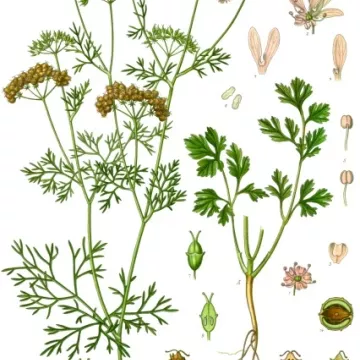
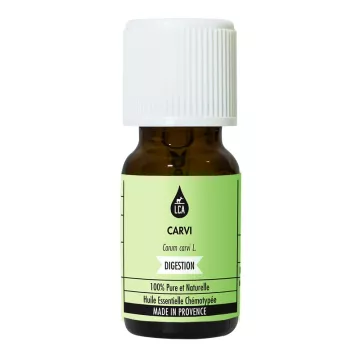
- Carminative herbs: fennel (trans-anethole), cumin (cuminaldehyde), caraway, green anise, cardamom — relax the digestive muscles and facilitate the release of gas — herbal tea after meals or standardized capsules
- Simethicone: anti-foaming agent — breaks down gas bubbles into larger, more easily expelled bubbles — provides rapid relief from flatulence and bloating — see our simethicone page
- Activated charcoal: adsorbs intestinal gas and odor-causing molecules (H₂S)—reduces the intensity of flatulence and odor—take at least 2 hours apart from any medication
- Digestive enzymes: alpha-galactosidase (Beano, digests galactooligosaccharides in legumes) — lactase (digests lactose) — take at the start of a meal
- Probiotics: Lactobacillus plantarum and Bifidobacterium — alter the fermentation profile to reduce H2 and H2S production — 6–8-week course — see our page on intestinal disorders
Lifestyle, exercise, and when to seek medical advice
- Physical exercise: 30 minutes of walking, cycling, swimming, or yoga after a meal — stimulates colonic peristalsis — accelerates the expulsion of gas — proven effective in reducing functional flatulence
- Yoga and digestive poses: Balasana (Child’s Pose), Apanasana (Knees-to-Chest Pose) — massage the colon and facilitate the expulsion of gas — particularly effective in the morning on an empty stomach
- Stress and flatulence: cortisol → slows colonic motility → fermentative stagnation → more gas — cardiac coherence, meditation — see our page on bloating
- Suspected allergy or intolerance: eliminate gluten (celiac disease) or lactose (intolerance) — consult a healthcare provider before starting any strict, long-term diet — undergo an anti-transglutaminase serological test if celiac disease is suspected
- Seek medical advice if: flatulence + unintentional weight loss, flatulence + blood in the stool, flatulence + nighttime pain or fever — rule out IBD, colorectal cancer, or SIBO