What are the main causes of wrinkles and fine lines?
Wrinkles and fine lines appear as a result of the combined effect of several mechanisms related to skin aging:
- Intrinsic aging: a gradual decrease in collagen synthesis (~1% per year after age 25–30) and elastin production, a decline in dermalhyaluronic acid, and a slowdown in cell turnover.
- Extrinsic aging (80–90% of visible signs): photoaging due to cumulative UV exposure, air pollution, smoking, an unbalanced diet, alcohol, chronic stress, and sleep deprivation.
- Skin dehydration: contributes to dehydration lines and superficial fine lines.
- Repetitive facial movements: gradually deepen expression lines (frown lines, crow’s feet, forehead wrinkles).
- Sagging and loss of volume: deepening of nasolabial folds and marionette lines with age.
- Hormones: Menopause in women, marked acceleration of collagen loss (up to 30% lost in the first 5 years after menopause).
- Genetics: Individual predispositions regarding collagen quality and the rate of skin aging.
What treatments are recommended for filling wrinkles?
Several approaches exist depending on the depth of the wrinkles and the treatment goals:
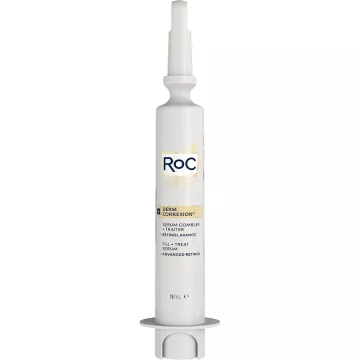
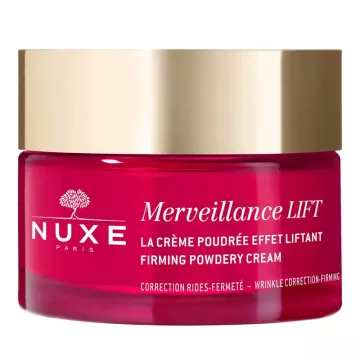
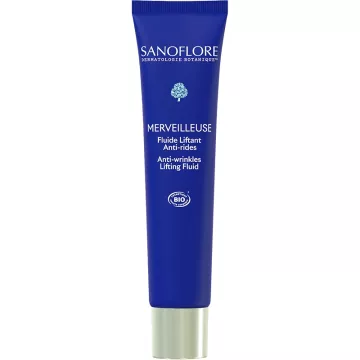
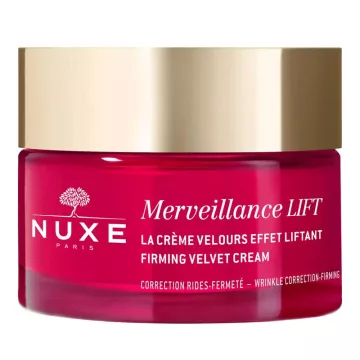
- Anti-wrinkle skincare: anti-wrinkle creams and serums containing retinol, peptides, vitamin C, niacinamide, and hyaluronic acid. Effective for fine lines and shallow wrinkles.
- Hyaluronic acid dermal fillers: medical procedures to directly fill moderate to deep wrinkles and restore volume. Results last 6 to 18 months depending on the area and the product. Reversible with hyaluronidase if needed.
- Type A botulinum toxin injections: indicated for dynamic expression lines (forehead, glabella, crow’s feet). Prescription-only medication. Effects last 3 to 6 months.
- Chemical peels: ranging from superficial to deep depending on the acids used (AHA, salicylic acid, TCA, phenol). Performed in a medical or certified aesthetic clinic.
- Non-ablative or ablative fractionallasers: stimulate collagen production and smooth skin texture. Typically require multiple sessions.
- Radiofrequency and HIFU (high-intensity focused ultrasound): tightening effect on the deep layers.
- Microneedling in a medical office: stimulates collagen production through micro-perforations.
- Resorbable thread lifts: provide a temporary lifting effect; performed in a cosmetic medicine clinic.
- Cosmetic surgery (facelift): for significant structural changes.
Any medical or cosmetic procedure must be discussed during a preliminary consultation with a physician trained to assess indications, contraindications, and expectations.
What are the latest technological developments in wrinkle treatment?
Several innovations are shaping the current landscape:
- New-generation fractional lasers: more precise penetration, shorter recovery times.
- Radiofrequency microneedling (Morpheus8 and equivalents): combines micro-perforations with dermal heating.
- HIFU (Ultherapy and equivalents): high-intensity focused ultrasound, a skin-tightening effect without incisions.
- Red and near-infrared LED light: long-term collagen stimulation, light therapy sessions.
- Platelet-rich plasma (PRP): self-injection of growth factors derived from the patient’s own blood.
- Exosomes and topical growth factors: recent active ingredients, ongoing research, regulatory frameworks that vary by country.
- New, more targetedsignaling peptides in cosmetics.
- Microdermabrasion using more affordable at-home devices, as a complement to professional treatments.
- Localized skin cryotherapy.
- Hyaluronic acidskin boosters for deep, injectable hydration.
Be wary of “miracle” claims or poorly regulated devices: opt for treatments performed by doctors who are trained and recognized in their specialty.
How do you choose the right anti-aging product?
The right choice depends on several factors:
- Skin type:
- Dry: creams rich in ceramides, hyaluronic acid, shea butter, and precious oils (rosehip, argan, jojoba).
- Oily: non-comedogenic formulas, gel textures, concentrated serums, niacinamide.
- Combination: balanced according to skin zones; gel-creams or lightweight emulsions.
- Sensitive: free of denatured alcohol, fragrance-free, hypoallergenic, gentle active ingredients (peptides, bakuchiol, niacinamide).
- Well-documented active ingredients: retinol, peptides, vitamin C, hyaluronic acid, niacinamide, moderate AHAs.
- Appropriate concentrations and consistent formulations (serum for concentrated active ingredients, cream for hydration).
- Transparent formulation: active ingredients listed at the beginning of the INCI list; opaque packaging for light-sensitive active ingredients (vitamin C, retinol).
- Gradual introduction for potent active ingredients (especially retinol).
- Systematicuse of sunscreen (SPF 30–50).
- Seekprofessional advice from a pharmacist or dermatologist in case of doubt, sensitive skin, or a complex skincare routine.
What role does diet play in preventing wrinkles?
Diet supports long-term skin health:
- Antioxidants: red fruits and berries (blueberries, raspberries, blackberries), citrus fruits, green vegetables (spinach, broccoli, kale), pomegranate, black grapes, green tea.
- Omega-3 EPA/DHA: fatty fish (salmon, mackerel, sardines, herring), flaxseeds, chia seeds, walnuts.
- Dietary vitamin C: citrus fruits, kiwi, red bell peppers, parsley, blackcurrants, strawberries. A cofactor in collagen synthesis.
- Vitamin A and carotenoids: liver, egg yolk, butter, carrots, sweet potatoes, mangoes.
- Vitamin E: almonds, hazelnuts, vegetable oils (wheat germ, sunflower).
- Zinc and selenium: seafood (especially oysters), red meat, legumes, Brazil nuts.
- High-quality proteins: building blocks of collagen (amino acids, notably proline, lysine, and glycine).
- Plant polyphenols: resveratrol, catechins, anthocyanins.
- Regular hydration: water, herbal teas, broths.
- Limit: Excess simple sugars (glycation of dermal fibers), alcohol, ultra-processed foods.
A varied and balanced diet has a cumulative effect on skin quality; targeted dietary supplements (hydrolyzed collagen, omega-3, antioxidants) can be used to supplement the diet in cases of documented deficiency.
Can the signs of aging really be reversed?
Editorial honesty is essential:
- We cannot stop skin aging: it is an inevitable biological process.
- We can slow it down through prevention and good habits (sun protection, a healthy lifestyle, targeted skincare).
- We can significantly improve the skin’s appearance and reduce existing signs with a consistent routine.
- Aesthetic medical procedures provide more pronounced structural corrections than cosmetics.
- No approach can completely “rejuvenate” the skin or permanently erase established wrinkles. Promises of “total anti-aging” or “reversing aging” are purely marketing claims.
A realistic approach: gradual and lasting improvement, supported by a consistent routine and a healthy lifestyle.
Natural Treatments vs. Clinical Treatments: Which Is More Effective?
The two approaches address different goals and can complement each other:
- Natural and cosmetic treatments: hydration, prevention, superficial fine lines, radiance. Effects on overall skin quality. No results on deep wrinkles or loss of volume.
- Medical procedures (injections, lasers, chemical peels, radiofrequency, HIFU, microneedling): more pronounced structural effects, essential for established wrinkles, deep furrows, and loss of volume.
- Combination: Medical procedures provide visible correction, while a daily skincare routine maintains and supports the results.
A dermatological consultation allows for an assessment of the specific condition of the skin, prioritization of approaches based on expectations and budget, and helps prevent disappointment.
How often should you apply an anti-wrinkle cream?
Consistency is key:
- Generallytwice a day: in the morning (formulas with SPF) and at night (richer formulas or targeted active ingredients).
- Apply to clean, toned skin after gentle cleansing and, if applicable, applying a serum.
- First visiblesigns after 4 to 8 weeks: improvement in texture, skin tone, and hydration.
- Significant improvements in wrinkles after 12 to 24 weeks (retinol, peptides, vitamin C).
- Always useSPF 30–50 sunscreen in the morning, especially when using photosensitizing active ingredients (retinol, AHA, BHA).
- Maintain the routine over the long term: prolonged discontinuation will gradually reverse the benefits achieved.
Do men need specific products for treating wrinkles?
Men’s skin has a few unique characteristics:
- It is slightly thicker (about 25% thicker on average).
- Higher density of sebaceous glands and greater sebum production.
- The presence of a beard and the impact of daily shaving on the skin.
- Aging begins later but often results in more pronounced wrinkles.
The effective active ingredients are the same as for women: retinol, vitamin C, peptides, hyaluronic acid, niacinamide, and sun protection. Lightweight or gel-based textures are often better tolerated. There are specific product lines for men that can be adapted, but they aren’t mandatory: a good anti-aging skincare product is suitable for all skin types, regardless of gender. Don’t neglect shaving care, which complements your routine.
How does sleep affect the appearance of wrinkles?
Sleep plays a major role in skin health:
- Intensecellular regeneration occurs during deep sleep phases, driven by growth hormone.
- Collagen synthesis is supported by quality sleep.
- A reduction in cortisol (the stress hormone), which, when present in excess, breaks down collagen and elastin.
- Improved microcirculation, oxygenation, and drainage of skin tissues.
Here are a few tips for optimizing sleep to benefit your skin:
- 7 to 9 hours of regular sleep, with consistent bedtimes.
- A conducive environment: a cool bedroom (18–19 °C), darkness, and quiet.
- A soothing evening routine, with limited screen time before bed.
- Sleep on your back if possible to minimize “sleep lines” (pressure creases on the face).
- Silk or satin pillowcase: a modest but well-documented effect on friction and dehydration.
- Always remove makeup before bed.
- Apply targeted nighttime skincare products.
Are there any effective facial exercises to reduce wrinkles?
Facial exercises are becoming increasingly popular. Their actual effectiveness remains a subject of debate in the scientific literature:
- Documented effects: improved facial muscle tone, stimulation of microcirculation, and a short-term feeling of firmness. An American study (Northwestern, 2018) showed a modest improvement after 20 weeks of daily 30-minute practice.
- Limitations: little effect on deep-set wrinkles; risk of deepening certain expression lines if the movements are performed incorrectly (particularly on the forehead and around the eyes).
- Recommended in combination with a consistent skincare routine, rigorous sun protection, and a healthy lifestyle.
- Precautions: Avoid excessive rubbing (which can cause microtrauma); do not stretch the skin; use gentle, draining massage strokes rather than abrupt movements.
For skin with couperose or rosacea, vigorous massages can aggravate redness: opt for very gentle and brief movements instead. Facial exercises can be a pleasant complement, though they are not a substitute for proven treatments and medical procedures for more pronounced wrinkles.