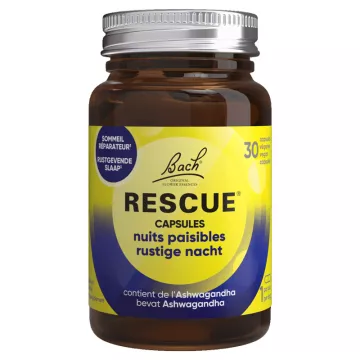
In most cases,difficulty falling asleep is a cognitive phenomenon rather than a physiological one. The paradox of sleep effort is its best-known manifestation: the harder you try to sleep, the more awake you stay. Sleep is an involuntary process that cannot be triggered at will—the conscious intention to fall asleep activates the prefrontal cortex, precisely the region that must shut down to allow sleep to occur. Unresolved intellectual or emotional stress in the evening is the other major cause—ruminating keeps a stream of thoughts active, which prevents the transition to the slow brain waves essential for falling asleep.
Bedtime anxiety is a form of performance anxiety specific to sleep—the person monitors their own ability to fall asleep and anticipates the consequences of sleep deprivation. This metacognitive vigilance triggers sympathetic hyperarousal, making it impossible to fall asleep. The longer bedtime anxiety persists, the more the bed becomes a conditioned cue for wakefulness (learned insomnia). Several cognitive-behavioral techniques can break this cycle without sleeping pills: paradoxical intention (trying to stay awake without making an effort), stimulus control (getting out of bed if sleep does not occur within 20 minutes), and temporary restriction of time in bed (to strengthen homeostatic pressure). These techniques, which are central to CBT-I, are documented to be superior to sleeping pills in the long term.
Breathing is the only autonomic process that can be voluntarily controlled to influence the autonomic nervous system. The 4-7-8 technique (inhale for 4 seconds, hold for 7 seconds, exhale for 8 seconds) activates the vagus nerve and stimulates the parasympathetic nervous system—4 to 8 cycles are usually enough to initiate the transition to sleep. Cardiac coherence (5 cycles per minute, 5 minutes) produces a similar effect. Guided mindfulness meditation (body scan, MBSR) is the most well-documented non-pharmacological approach for treating cognitive sleep onset difficulties—it trains the brain to observe thoughts without getting caught up in them, thereby defusing nighttime ruminations. Dedicated apps make this practice immediately accessible.
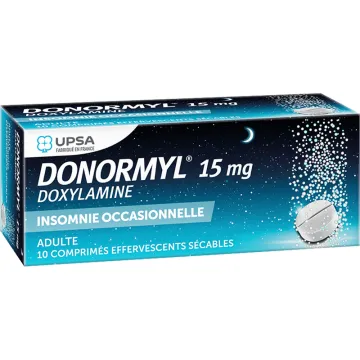
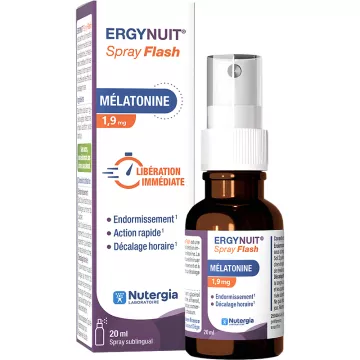
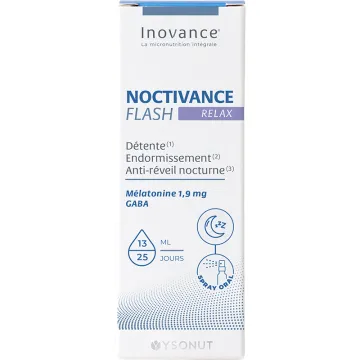
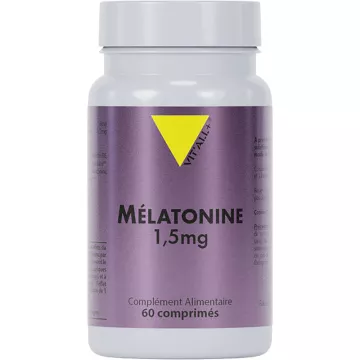
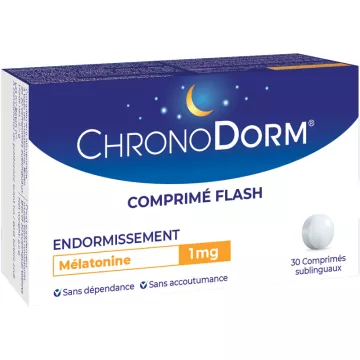
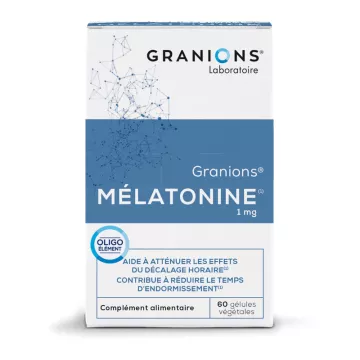
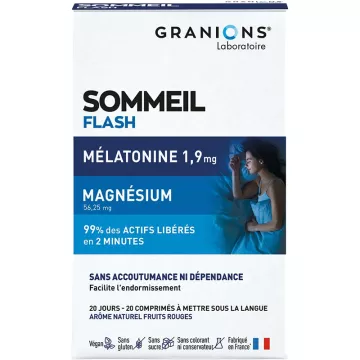
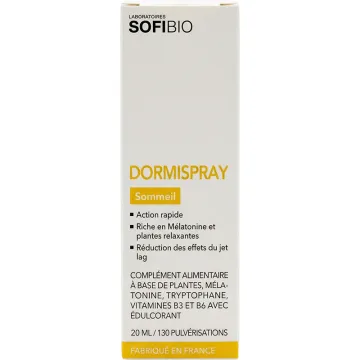
For occasional episodes that do not respond to behavioral approaches, two OTC options are available. Doxylamine (an H1 antihistamine, 15 mg) induces sedation within 30 to 60 minutes—to be used for a maximum of 3 to 5 nights (risk of tolerance and rebound upon discontinuation). Contraindicated in cases of glaucoma, prostate adenoma, or epilepsy. Melatonin (0.5 to 1 mg as an immediate-release, sublingual, or spray formulation) is the chronobiotic option—it resets the circadian clock without causing sedation, with maximum efficacy in chronic night owls. The melatonin + vitamin B6 formula optimizes endogenous synthesis for subsequent nights. Nighttime awakenings associated with difficulty falling asleep warrant a combined approach using sustained-release (LP) melatonin (to prevent awakenings) and flash melatonin (to facilitate falling back asleep).
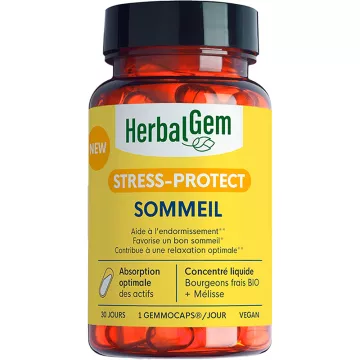
When difficulty falling asleep is primarily due to anxiety, the most suitable active ingredients act on the central nervous system without causing residual daytime sedation. L-theanine (100–200 mg, an amino acid found in green tea) increases alpha brain waves (alert relaxation) and enhances the effects of melatonin. Passionflower (harmanes + flavonoids, a mild GABAergic sedative) specifically reduces intrusive nighttime thoughts without causing dependence. Eschscholtzia (californidine + protopine, moderate GABA-A action) adds a mild sedative component—ideal for individuals with muscle tension or restless legs. These approaches constitute a first line of natural treatment before seeking medical consultation for chronic cases involving persistent non-restorative sleep.
Occasional difficulty falling asleep (a few nights, identifiable circumstances) does not require a medical consultation. A medical consultation is warranted when the time to fall asleep remains > 45–60 minutes despite 4 to 6 weeks of properly implemented behavioral and complementary approaches, or when it has a significant impact on professional life, relationships, or safety (driving, operating machinery). In such cases, structured cognitive-behavioral therapy for insomnia (CBT-I) with a professional—available online or in person—is the standard of care according to the HAS. Sleep aids (benzodiazepines, Z-drugs) should only be considered for very short-term use (< 4 weeks) and as a last resort—they do not address the underlying cognitive cause and can lead to dependence. People whose difficulty falling asleep is accompanied by intense, intrusive thoughts should undergo an evaluation to investigate underlying generalized anxiety or obsessive-compulsive disorder.