0
Menu
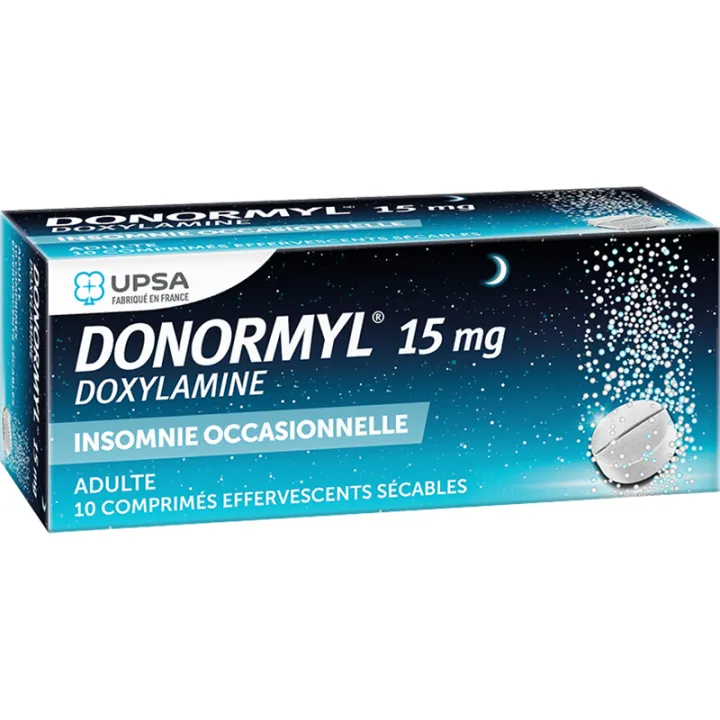
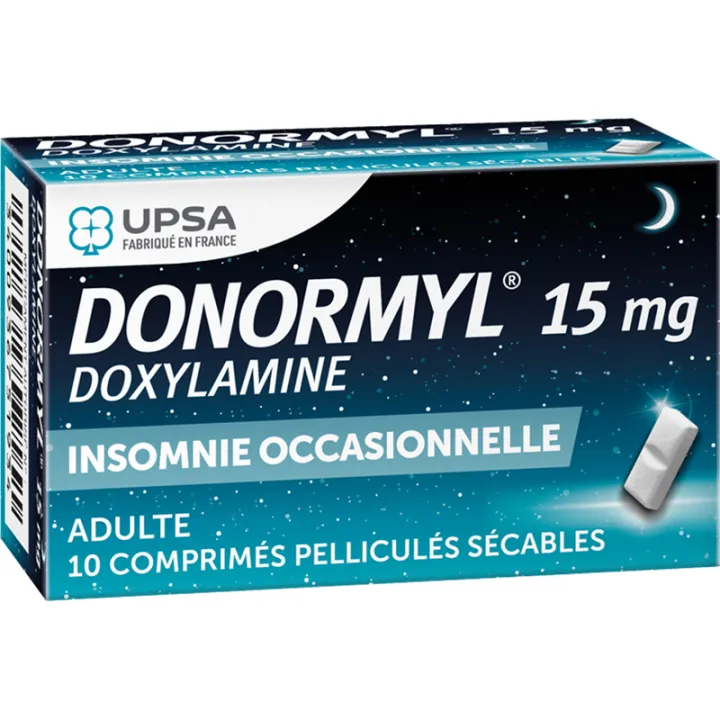
Donormyl 15 mg Breakable Effervescent Tablets, 10
Over-the-counter medication

Donormyl 15 mg Breakable Effervescent Tablets, 10

Brand : UPSA BMS UPSA BMS

Donormyl 15 mg effervescent tablets help you fall asleep quickly and sleep deeply when you have occasional insomnia. Its doxylamine-based formula helps you fall asleep more easily, without causing dependence. Dissolves easily, works quickly, and guarantees a relaxing effect.

€9.08 EXCL. VAT €9.99 INCL. VAT
In stock Shipped within 24h Secure payment
Reference : 3400936752016
You must be logged in to add this product to a list. Customer login
See delivery conditions

Our doctors of pharmacy advise you

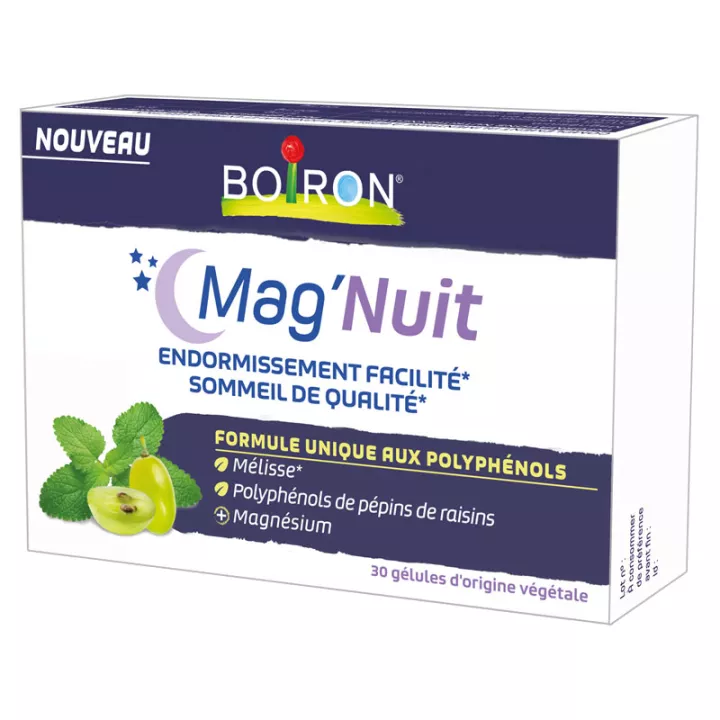
Boiron Mag'Nuit Endormissement Facilité 30 Capsules Boiron Mag'Nuit Endormissement Facilité 30 Capsules
€7.95
Shipped within 24h
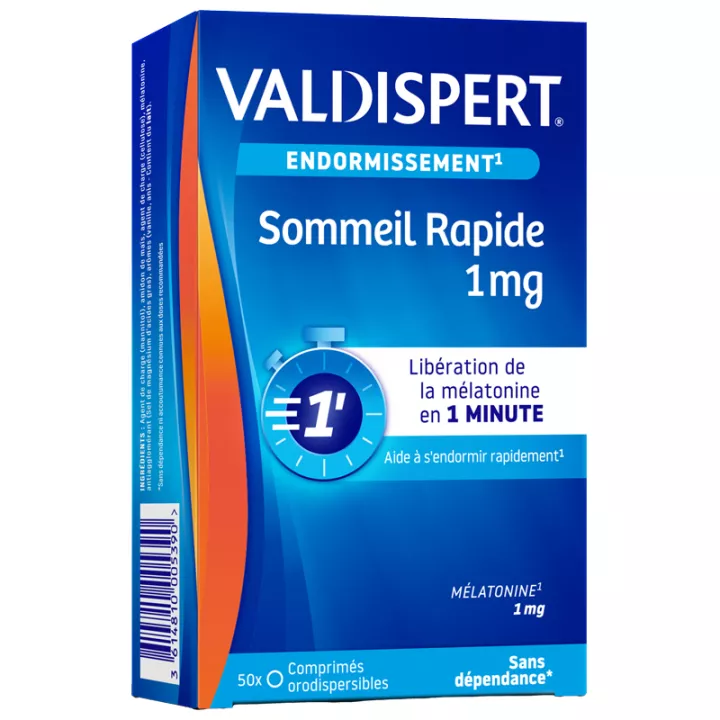
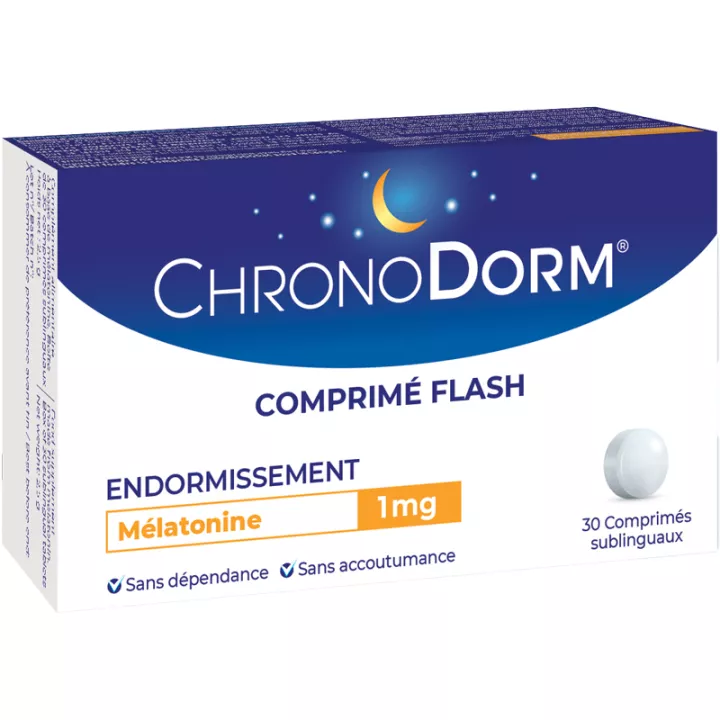
Valdispert Fast-Acting Sleep Aid 1 mg, 50 tablets Valdispert Fast-Acting Sleep Aid 1 mg, 50 tablets
€13.55
Shipped within 24h
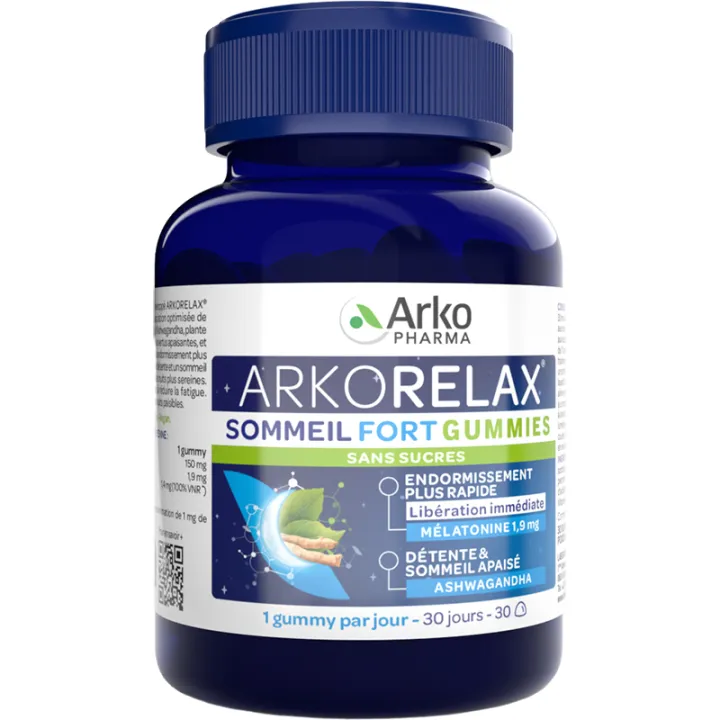
Arkorelax Deep Sleep Gummies Arkorelax Deep Sleep Gummies
30 gummies 60 gummies
€18.95
Add to cart
Shipped within 24h
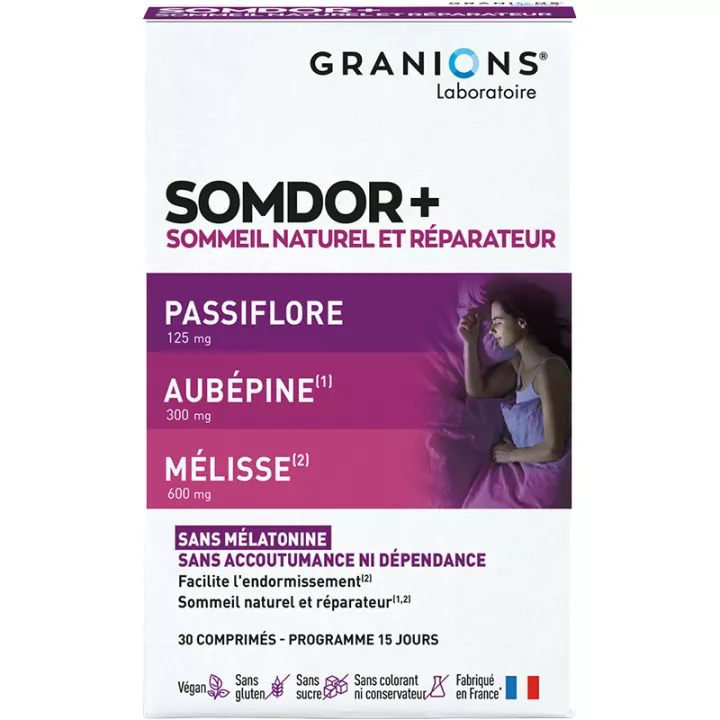
Granions Somdor+ Endormissement et Sommeill 30 Tablets Granions Somdor+ Endormissement et Sommeill 30 Tablets
€12.25
Shipped within 24h

What is Donormyl effervescent tablets used for?

When sleepless nights pile up and sleep eludes you, Donormyl effervescent tablets can become your best ally. This medication, which contains doxylamine succinate, belongs to the class of H1 antihistamines. It is specifically

formulated totreat occasional sleep disturbances, particularly occasional insomnia in adults. Its gentle yet effective action helps restore a natural sleep cycle without resorting to harsh or addictive treatments.

Doxylamine succinate acts directly on the central nervous system to promote rapid sleep onset. Unlike other sleep aids, it is less likely to cause dependence when used for short periods. The result:

you’ll drift off to sleep effortlessly and wake up feeling truly refreshed.

This effervescent tablet is a real lifesaver for those who hate swallowing pills. Simply dissolve it in a glass of water to enjoy its relaxing and sedative effects. It’s not just about helping you fall asleep , but about restoring

restorative sleep—the kind that recharges your physical and mental batteries.

Another key feature: the tablet’s breakable design allows you to adjust the dosage according to your needs or medical recommendations. Need a little help falling asleep? Half a tablet may be enough. Had a truly restless night? The dose can be

increased as advised by a healthcare professional.

Donormyl works quickly—within 15 to 30 minutes after taking it—to help you let go of your racing thoughts and slip into a state of deep calm. It gently guides you to sleep, without a “knockout” effect, but with

a gradual and soothing sedation.

In conclusion, Donormyl effervescent tablets are the ideal solution for those seeking occasional, effective, and easy-to-use relief from occasional insomnia. Whether due to stress, jet lag, or

, it helps you look forward to going to bed without any anxiety. Whether you’re looking to fall asleep, relax at night, enjoy deep sleep, or achieve mental tranquility, this product checks all the boxes for true rest.

To enhance the benefits of natural sleep, consider combining Donormyl withEuphytose Nuit: a supplement made from soothing herbs.

How to use this product?

Directions for Use

Take this medication orally;for adults only. Dissolve half to one whole tablet in a glass of water, 15 to 30 minutes before bedtime. If necessary, the dosage may be increased to two tablets per day, depending on tolerance and the

recommendations of your healthcare provider. Treatment shouldnot exceed 5 consecutive days.

Share your feedback on the usage instructions and dosage of Donormyl with our partner “Verified Reviews” after your purchase.

Precautions

Warning: Donormyl isnot suitablefor children under 15 years of age, nor for people suffering from acute glaucoma, urinary retention, orhypersensitivity to antihistamines. If you have liver or kidney problems, or if you are elderly,

closer monitoring is recommended, as the medication may increasedizziness, confusion, or cognitive impairment. Strictly avoid alcohol, which amplifies the sedative effects. If in doubt, consult your doctor or pharmacist.

Finally, driving or operating machinery is not recommended during treatment due to the high risk of daytime drowsiness.

What are its ingredients?

Doxylamine Succinate, Sodium Bicarbonate, Anhydrous Citric Acid, Anhydrous Sodium Hydrogenphosphonate, Anhydrous Sodium Sulfate, Sodium Benzoate, Macrogol 6000

Presentation

This medication comes in the form ofbreakable effervescent tablets, packaged in boxes of 10. Manufactured by UPSA, it is available at pharmacies without a prescription, but its use should be occasional and monitored.

Pharmacovigilance Report an adverse drug reaction(s)

Download PDF leaflet

NOTICE

ANSM - Last updated: 04/10/2016

Name of the medicinal product

DONORMYL 15 mg, split effervescent tablet

doxylamine

framed

Please read this leaflet carefully before you start taking this medicine because it contains important information for you.

You should always take this medication exactly as prescribed in this leaflet or by your doctor, pharmacist or nurse.

Keep this leaflet. You might need to read it again.

Ask your pharmacist for advice or information.

If you experience any of the side effects, talk to your doctor, pharmacist or nurse. This also applies to any side effects not mentioned in this leaflet. See section 4.

You should contact your doctor if you experience no improvement or feel less well after 5 days.

Do not use this medication for children.

What is in this leaflet?

1. What is DONORMYL 15 mg, split effervescent tablet and in which cases it is used?

2. What should I tell you before taking DONORMYL 15 mg, split effervescent tablet?

3. How to take DONORMYL 15 mg, split effervescent tablet?

4. What are the possible side effects?

5. How to store DONORMYL 15 mg, split effervescent tablet?

6. Package contents and other information.

1. WHAT IS DONORMYL 15 mg, split effervescent tablet AND WHAT IT IS USED FOR?

Pharmacotherapeutic group: ANTIHISTAMINIC FOR SYSTEMIC USE

ATC code: R06AA09

This medication is recommended in occasional insomnia in adults.

2. BEFORE YOU TAKE DONORMYL 15 mg, split effervescent tablet?

Do not take DONORMYL 15 mg, split effervescent tablet

· if you are allergic (hypersensitive) to antihistamines, the active substance or any of the other ingredients of this medication mentioned in section 6,

· if you have a history of acute glaucoma (increased pressure inside the eye),

· if you have difficulty urinating in humans (prostatic or otherwise),

· if you are a child under 15 years of age.

IN CASE OF DOUBT, IT IS ESSENTIAL TO ASK FOR THE OPINION OF YOUR DOCTOR OR YOUR PHARMACIST.

Warnings and Precautions

Talk to your doctor or pharmacist before taking DONORMYL 15 mg, split effervescent tablet.

Insomnia may have a variety of causes that do not necessarily require medication.

This medication should be used with caution in the elderly because of the risk of cognitive impairment, drowsiness, slow reactivity, and / or dizziness / dizziness that may lead to falls (eg, ), with often serious consequences in this population.

This medicine contains sodium. This medicine contains 563 mg sodium per tablet. To be taken into account in patients controlling their sodium dietary intake. Doxylamine succinate, like any hypnotic or sedative, is likely to aggravate pre-existing sleep apnea syndrome (breathing breaks during sleep).

Drinking alcohol is formally discouraged during the treatment.

Tell your doctor if you are pregnant.

In case of long-term liver or kidney disease, CONSULT YOUR DOCTOR so that he can adapt the dosage.

IN CASE OF DOUBT, IT IS ESSENTIAL TO ASK FOR THE OPINION OF YOUR DOCTOR OR YOUR PHARMACIST.

Children and Youth

Not applicable.

Other medicines and DONORMYL 15 mg, split effervescent tablet

Inform your doctor or pharmacist if you are using, have recently used or could take any other medicines.

This drug contains an antihistamine, doxylamine.

Other medicines contain it. Do not combine them, so as not to exceed the maximum recommended dose (see Dosage, Mode and / or Route (s) of Administration, Frequency of Administration and Duration of Treatment).

This medication should be avoided in combination with sodium oxybate.

IN ORDER TO AVOID INTERACTIONS BETWEEN SEVERAL MEDICINAL PRODUCTS, YOU MUST SIGNAL SYSTEMATICALLY ANY OTHER TREATMENT IN PROGRESS TO YOUR DOCTOR OR YOUR PHARMACIST.

DONORMYL 15 mg, split effervescent tablet with food and beverages

Not applicable.

Pregnancy and breast feeding

Pregnancy

This medication, under normal conditions of use, may be used during pregnancy. However, you should always seek the advice of your doctor before using it and never exceed the recommended dose.

feeding

The passage of this drug in breast milk is possible. Given its sedative or exciting properties that may affect your child (lethargy, decreased tone, or insomnia), this drug is not recommended in case of breast-feeding.

GENERALLY, DURING PREGNANCY AND BREASTFEEDING, ALWAYS ASK FOR THE OPINION OF YOUR DOCTOR OR PHARMACIST BEFORE USING A MEDICINE.

Sport

Not applicable.

Driving and using machines

Attention is drawn to the daytime sleepiness and decreased vigilance associated with the use of this medication.

The combination with other sedative medicines, with sodium oxybate, and of course with alcohol or medicines containing alcohol, is not recommended when driving or using machines.

If the sleeping period is insufficient, the risk of decreasing alertness is further increased.

DONORMYL 15 mg, split effervescent tablet contains sodium.

3. HOW TO TAKE DONORMYL 15 mg, split effervescent tablet?

Dosage

RESERVED TO THE ADULT.

The recommended dosage is ½ to 1 tablet per day in adults.

In adults, the dosage may be increased to 2 tablets per day if necessary.

In the elderly, renal or hepatic insufficiency, the lowest dose is recommended.

Administration mode

Oral use.

Dissolve the tablet in a glass of water.

Frequency of Administration

One dose per day, in the evening, 15 to 30 minutes before going to bed.

Duration of treatment

The duration of treatment is 2 to 5 days.

Do not exceed 5 days of treatment without the advice of your doctor.

If you take more than DONORMYL 15 mg, split effervescent tablet you should:

Immediately consult your doctor or pharmacist.

If you forget to take DONORMYL 15 mg, split effervescent tablet:

Do not take a double dose to make up for a missed dose.

Take the next dose at the usual time.

If you stop taking DONORMYL 15 mg, split effervescent tablet:

Not applicable.

4. WHAT ARE POSSIBLE SIDE EFFECTS?

Like all medicines, this medicine may cause side effects, although not everybody gets them.

· daytime sleepiness,

· constipation,

· urinary retention,

· dry mouth,

· confusion,

· rhabdomyolysis (severe muscle involvement),

· increase in blood creatine phosphokinase (CPK)

· visual disturbances (accommodation disorders, blurred vision, hallucinations, visual impairment),

· heart palpitations.

In addition, first generation H 1 antihistamines are known to cause sedation, cognitive impairment and psychomotor performance disorders.

Declaration of side effects

If you experience any side effects, talk to your doctor, pharmacist or nurse. This also applies to any side effects not mentioned in this leaflet. You can also report adverse reactions directly via the national reporting system: National Agency for the Safety of Medicines and Health Products (ANSM) and network of Regional Centers of Pharmacovigilance - Website: www.ansm.sante.fr

By reporting adverse reactions, you are helping to provide more information about the safety of the drug.

5. HOW TO STORE DONORMYL 15 mg, split effervescent tablet?

Keep this medicine out of the reach and sight of children.

Do not use this medicine after the expiry date which is stated on the carton. The expiry date refers to the last day of that month.

Store at a temperature not exceeding 25 ° C.

Keep away from moisture.

Do not throw any medicines into drains or rubbish. Ask your pharmacist to remove any medications you are no longer using. These measures will help protect the environment.

6. PACKAGE CONTENTS AND OTHER INFORMATION

What DONORMYL 15 mg contains, split effervescent tablet

The active substance is:

Doxylamine succinate ............................................... ............................................... 15.00 mg

For a splittable effervescent tablet.

The other components are:

Sodium bicarbonate, anhydrous citric acid, anhydrous sodium hydrogen phosphonate, anhydrous sodium sulfate, sodium benzoate, macrogol 6000.

What is DONORMYL 15 mg, split effervescent tablet and contents of the pack

This medication is in the form of splittable effervescent tablets. Box of 10 tablets.

Marketing Authorization Holder

UPSA SAS

3, RUE JOSEPH MONIER

92500 RUEIL MALMAISON

Marketing Authorization Operator

UPSA SAS

3, RUE JOSEPH MONIER

92500 RUEIL MALMAISON

Maker

UPSA SAS

979, AVENUE DES PYRENEES

47520 THE PASSAGE

or

UPSA SAS

304, AVENUE DU DOCTEUR BRU

47000 AGEN

Names of the medicinal product in the Member States of the European Economic Area

Not applicable.

The last date on which this leaflet was revised is:

[to be completed later by the holder]

{month YYYY}.

Other

Detailed information on this medicine is available on the ANSM website (France).

VIDAL OF THE FAMILY

DONORMYL

Hypnotic

doxylamine

. Presentations . Composition . Indications . Contraindications . Warning . Drug Interactions . Pregnancy and breastfeeding . Directions for use and dosage . Advice . Undesirable effects . Lexicon

PRESENTATIONS (summary)

DONORMYL 15 mg: split effervescent tablet (white); box of 10.
-

DONORMYL 15 mg: scored tablet (white); box of 10.
-

UPSA Laboratory

COMPOSITION (summary)
pcp efferv p cp
Doxylamine succinate 15 mg 15 mg
Sodium 484 mg
Lactose +

INDICATIONS (summary)
This medication is a hypnotic (sleeping pill). It contains an antihistamine that has a sedative effect. It also has atropinic properties which explain certain contraindications and some undesirable effects.
It is used in the treatment of occasional insomnia.
CONTRAINDICATIONS (summary)
This medication should not be used in the following cases:
WARNING (Contents)
Some insomnia can translate a masked depression and justify a specific treatment.
Like any hypnotic or sedative treatment, this drug is likely to aggravate the symptoms of sleep apnea.
This drug has atropine effects. It can cause acute glaucoma in susceptible persons: red, hard and painful eyes, with blurred vision. An emergency consultation with an ophthalmologist is necessary.
Dosage reduction may be necessary in patients with renal insufficiency, hepatic impairment and in the elderly; take a medical opinion before using this hypnotic.
Sleeping pills are at risk of falling at night in the elderly person who is in the habit of getting up at night.
Avoid alcoholic beverages: increased risk of drowsiness.
This medication is a sleeping pill. Driving or using a hazardous machine in the hours following its setting is of course contraindicated. The duration of the sedative effect, as well as its intensity, varies greatly from one person to another. It is up to you to check, after the first catches, that the possible persistence of a somnolence on awakening is compatible with the continuation of your usual activities.
DRUG INTERACTIONS (summary)
Tell your doctor or pharmacist if you are taking any other medicines that have atropine or sedative effects (tranquillizers, sleeping pills, some cough or pain medications containing opioids , antidepressants , neuroleptics, etc.).
PREGNANCY AND BREAST-FEEDING (summary)
Pregnancy :
This medication can be used during pregnancy, after medical advice.
In case of termination of pregnancy, monitoring of the newborn may be necessary.

Breastfeeding:
The available data do not indicate whether this drug passes into breast milk: it is not recommended during breast-feeding.
DIRECTIONS FOR USE AND DOSAGE (summary)
This medication should be taken 15 to 30 minutes before going to bed.
The tablets should be swallowed with a little water and the effervescent tablets dissolved in half a glass of water.

Usual dosage:

  • Adult: ½ to 2 tablets per day depending on individual sensitivity.
The duration of treatment is limited to 2 to 5 days without medical advice.
TIPS (summary)
Sleeping pills are not the only answer to sleep disorders. A better hygiene of life, a moderate consumption of stimulants (including alcoholic drinks) also make it possible to fight effectively against the insomnia.
POSSIBLE ADVERSE EFFECTS (summary)
Drowsiness during the day.
Atropine effects: disorders of accommodation , constipation, dry mouth.


GLOSSARY (summary)


accommodation
"Focus" of the eye, allowing clear vision close up. Presbyopia is the most common disorder of accommodation; some drugs such as atropine may cause passenger accommodation problems.


adenoma of the prostate
Increase in the volume of the prostate gland located under the bladder of the man. This increase in volume is benign, has no relationship to cancer, but can interfere with the passage of urine into the urethra through the gland.
Symptoms that suggest the presence of a prostate adenoma are:
  • difficulty urinating (slowness, weakness of the spray);
  • the need to get up several times at night to urinate;
  • urges to urinate imperiously and difficult to control.
Certain drugs, especially atropinic drugs, may have the undesirable effect of aggravating the discomfort and may lead to a total blockage of the evacuation of the bladder. They are therefore contraindicated or should be used cautiously in men with the symptoms described above.


antecedent
Affection healed or always in evolution. The antecedent may be personal or family. The background is the history of a person's health.


antidepressants
Medication that works against depression. Some antidepressants are also used to combat obsessive-compulsive disorder, generalized anxiety, certain rebellious pain, enuresis, etc.
Depending on their mode of action and adverse effects, antidepressants are divided into different families: imipraminic antidepressants, serotonin reuptake inhibitors, selective or non-selective MAOIs. Finally, other antidepressants do not belong to any of these families, because they possess original properties.
The mode of action of antidepressants has two main aspects: the relief of moral suffering and the fight against inhibition which removes all will to action from the depressed. There may be a time lag between these two effects: moral suffering may persist, while the capacity for action reappears. During this short period, the risk of suicide in some depressed people can be increased. The physician takes it into account in its prescription (possible association with a tranquillizer) and it must imperatively be respected.


antihistamine
Medication that opposes different effects of histamine. Two main types exist: antihistamines type H1 (antiallergic) and antihistamines type H2 (gastric antiulcer). Some antihistamines of type H1 are sedative, others do not alter vigilance.


atropine
Medication with effects similar to those of atropine. Atropinics fight spasms and diarrhea. Adverse effects of atropinic drugs include: thickening of bronchial secretions, dry mouth and mucous membranes, constipation, risk of urine blockage and acute glaucoma in susceptible persons, accommodation disorders, abnormal sensitivity to light by dilation of the pupil. Taking several atropine medicines increases the risk of adverse effects. In the event of overdose or accidental ingestion, the following signs may also appear: red and warm skin, fever, acceleration of breathing, fall or, on the contrary, elevated blood pressure, agitation, hallucinations, poor coordination of movements. Emergency care should be given to your doctor or, if not available, call 15, 112 or an emergency medical service.
In addition to atropine and its derivatives, other drugs have atropine effects: imipraminic antidepressants, some antihistamines, antispasmodics, antiparkinsonian and neuroleptic.


depression
Disease usually associates a feeling of fatigue, uselessness, guilt, inability to perform daily tasks. Loss of appetite and sleep disorders are common. Suicidal impulses are one of the signs of severity of depression.


glaucoma
Disease characterized by increased pressure of the fluids contained in the eye (intraocular hypertension).
This general term covers two totally different affections:
  • Open angle glaucoma or chronic glaucoma is the most frequent; it is generally symptom-free, detected by the measurement of intraocular tension in the ophthalmologist. It does not cause acute seizures, and treatment relies primarily on beta-blocking eye drops. People with open-angle glaucoma should not use cortisone derivatives without prior ophthalmologic advice.
  • Closed-angle glaucoma or acute glaucoma is more rare. Between seizures, intraocular tension is normal. But the inadvertent use of atropine medicines (especially eye drops) causes an acute crisis of intraocular hypertension which can permanently damage the retina in a few hours. It is an ophthalmological emergency that is recognized by a brutally red eye, horribly painful, hard as a glass ball, and whose vision becomes blurred.
The angle in question in these two affections is the irido-corneal angle. It is indeed between the iris and the cornea that is located the system of evacuation of the liquids of the eye. A slightly open (closed) angle exposes a total obstruction of the evacuation system. This obstruction can occur when the iris is opened to the maximum (mydriasis) under the effect of an atropinic drug: the iris then comes to be attached to the cornea.
Contraindications for atropine medicines are limited to those who have already had closed-angle glaucoma or who have been detected by an ophthalmologist. Those who suffer from chronic open-angle glaucoma are not affected by these contraindications.


hypnotic
Drug causing sleep.
Synonym: sleeping pill.


Hepatic insufficiency
Inability of the liver to perform its function, which is essentially the elimination of some waste, but also the synthesis of many biological substances essential to the body: albumin, cholesterol and coagulation factors (vitamin K, etc.).


renal failure
Inability of the kidneys to eliminate waste or medicinal substances. Advanced renal insufficiency does not necessarily result in a decrease in the amount of urine excreted. Only a blood test and creatinine dosage may reveal this disease.


neuroleptics
Family of medicines used in the treatment of certain nervous disorders or various symptoms: digestive disorders, menopausal disorders, etc.


opiates
A chemical family that includes opium and its derivatives. In addition to drugs such as opium or heroin, the opiate family includes morphine (strong analgesic), codeine (antitussive and analgesic) and many other substances.


dosage
Quantity and distribution of the dose of a drug according to the age, weight and general condition of the patient.


sedative
  • Quiets, calms down.
  • Medication belonging to different families: anxiolytics, hypnotics, analgesics, cough suppressants, antiepileptics, neuroleptics, etc. but also antidepressants, antihistamines H1, antihypertensives. A sedative can be responsible for drowsiness and increase the effects of alcohol.

RELATED SEARCHES WITH MEDICATIONS FOR SLEEP AND STRESS

Advice from our naturopaths

Melatonin: Decoding sleep harmony Melatonin: Decoding sleep harmony

Insomnia is a modern scourge. At a time when we all want to make the most of every moment, lack of sleep can seem to get in the way of our ambitions. That's where melatonin comes in, our precious ally in the quest for perfect rest. Let's find out together what's behind this mysterious compound. Melatonin is a hormone produced…

Read the article on the blog
ASMR to combat insomnia ASMR to combat insomnia

Insomnia is a major health concern that can have devastating effects on quality of life and general well-being. In the quest for restful sleep natural methods are gaining in popularity, and ASMR (Autonomous Sensory Meridian Response) is emerging as an intriguing approach backed by scientific evidence. In this article, we will explore in depth how ASMR can be used as…

Read the article on the blog
Sleepytime herbal tea: Your natural ally for peaceful nights Sleepytime herbal tea: Your natural ally for peaceful nights

Sleep, that essential restorative state, takes up almost a third of our lives. Yet many of us struggle every night to get a good night's rest. In our search for a natural solution, we've come across the following herbal tea Sérénité Sommeil Herboristerie Iphym a combination of traditional plants designed to soothe sleep disorders. This article invites you to explore…

Read the article on the blog
Natural Health Advice

Order a selection of products frequently purchased by our customers

Donormyl 15 mg doxylamine, 10 breakable tablets Donormyl 15 mg doxylamine, 10 breakable tablets
€9.99
Add to cart
Shipped within 24h
Lidène 15 mg Doxylamine, 10 breakable tablets Lidène 15 mg Doxylamine, 10 breakable tablets
€8.99
Add to cart
Shipped within 24h
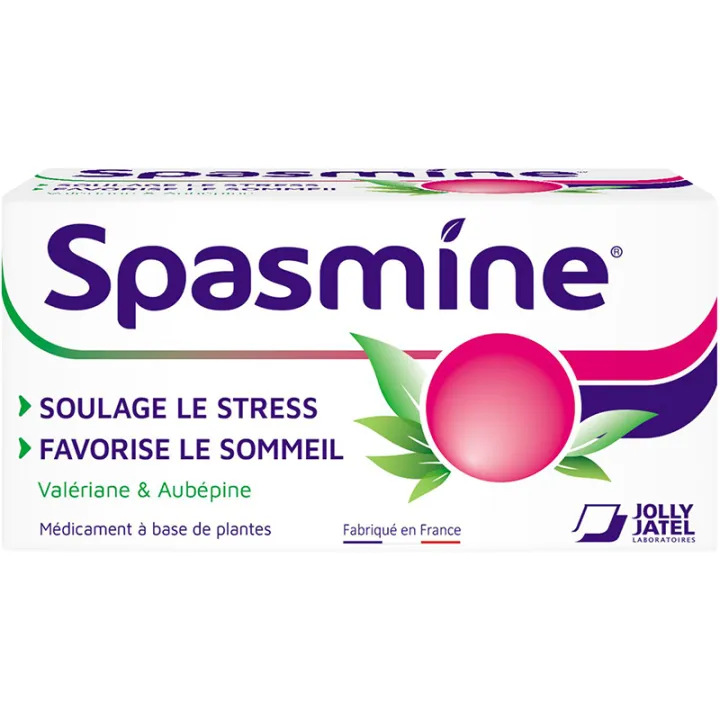
Spasmine Stress and Sleep, 60 tablets Spasmine Stress and Sleep, 60 tablets
€5.90
Shipped within 24h
Mildac 300 mg for Depressive Symptoms, 40 Tablets Mildac 300 mg for Depressive Symptoms, 40 Tablets
€15.25
Add to cart
Shipped within 24h
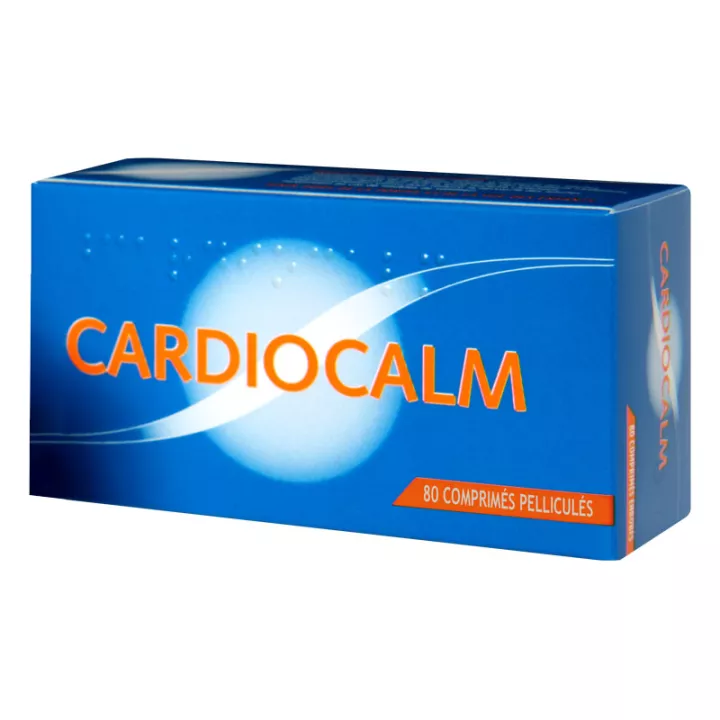
CARDIOCALM for Stress and Palpitations, 80 Tablets CARDIOCALM for Stress and Palpitations, 80 Tablets
€7.90
Shipped within 24h
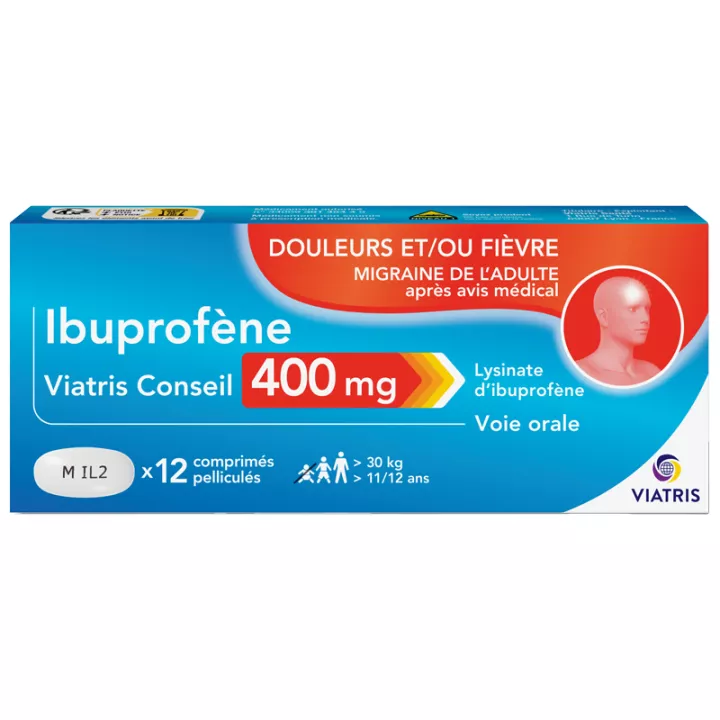
Ibuprofen 400 mg Mylan, 12 tablets Ibuprofen 400 mg Mylan, 12 tablets
€2.49
Add to cart
Shipped within 24h
Mildac 600 mg for Depressive Symptoms, 20 Tablets Mildac 600 mg for Depressive Symptoms, 20 Tablets
€16.90
Add to cart
Shipped within 24h