Fast sleep onset—a sleep latency of less than 10–15 minutes—is the hallmark of healthy sleep. The most common obstacles are residual evening nervousness (cortisol and norepinephrine levels still elevated), cognitive arousal (rumination, worries, screen time), physical muscle tension (excessive sympathetic tone), or a circadian phase shift (melatonin secreted too late). Paradoxically, intense chronic overexertion can itself delay falling asleep—the nervous system remains in a state of defensive hyperarousal despite physical exhaustion. Identifying the dominant mechanism allows you to choose the most effective approach.
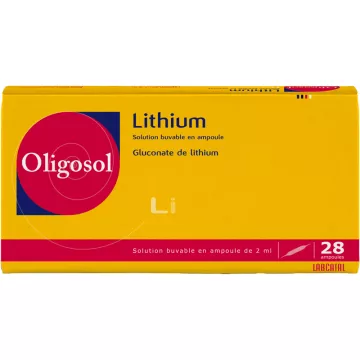
Two unique active ingredients. Lithium in oligotherapy (oral ampoules, trace dose of 1 mg) is distinct from pharmaceutical lithium—at trace-element doses, it regulates mood-regulating neurotransmitters (serotonin, dopamine) and reduces the hyperexcitability of the central nervous system that delays falling asleep. Particularly recommended for anxiety profiles that are difficult to “switch off,” it is part of a practical approach using trace elements (manganese-cobalt, zinc-nickel-cobalt, lithium) that optimize neuroendocrine function over 3 to 6 weeks. Homeopathic RNA (diluted ribonucleic acid) targets states of profound fatigue with sleep onset difficulties linked to intellectual overexertion—it acts on the “cellular memory” of accumulated fatigue.
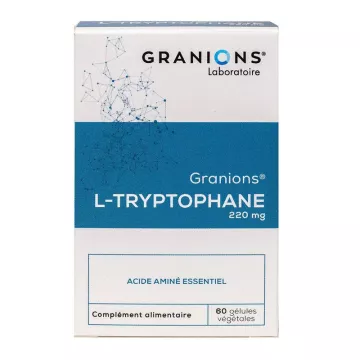
L-tryptophan (500 mg to 1 g in capsules, taken with dinner or 1 hour before bedtime) is the dietary precursor to serotonin, which is converted into melatonin at night by the pineal gland. The L-form (high purity, fermentation) increases the brain’s availability of tryptophan—taking it with complex carbohydrates facilitates its preferential passage through the blood-brain barrier. Its action is gradual (effects documented over 1 to 2 weeks) but supports endogenous production rather than replacing it. Chronic fatigue associated with a serotonergic deficiency will particularly benefit from this approach, combined with magnesium and vitamin B6 (cofactors in synthesis).
Several cognitive and sensory protocols have been documented to reduce sleep onset latency to less than 10 minutes. The “military method” (developed for falling asleep in the field): gradually relax your face, shoulders, arms, torso, and legs for 2 minutes, then visualize a calm place for 10 seconds—repeat if necessary. The 4-7-8 technique (inhale for 4 seconds, hold for 7 seconds, exhale for 8 seconds) activates the vagus nerve and lowers the heart rate within 4–8 cycles. The 5-4-3-2-1 sensory method (mentally listing 5 things you see, 4 you hear, 3 you touch, 2 smells, and 1 taste) breaks the cycle of rumination by engaging the prefrontal cortex with a neutral sensory scan. These techniques reduce sleep latency by 50 to 70% in individuals with a predominantly cognitive profile, and their effectiveness is synergistic with natural active ingredients. Persistent residual muscle tension despite these techniques suggests taking magnesium bisglycinate at bedtime.
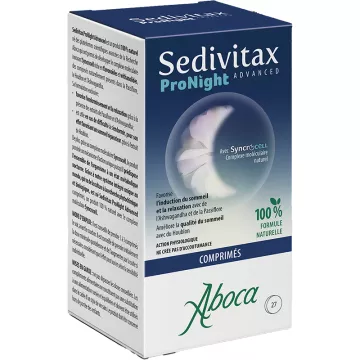
Tri- or quadri-active formulas offer the most comprehensive approach. Advanced tablets (valerian + hops + lemon balm + L-tryptophan) simultaneously address the GABAergic, anxiolytic, and serotonergic components. Complex capsules (1 mg melatonin + L-theanine + magnesium + saffron) combine chronobiotic action, cognitive relaxation, and a serotonin precursor. For very rapid sleep onset, the sublingual “Melatonin Flash” spray (10–15 minutes) combined with 5 granules of a constitutional homeopathic remedy — Coffea for insomnia caused by mental hyperactivity, Ignatia for reactive emotional insomnia — offers the most immediate synergy. All of this contributes to quality sleep from the very first nights of use.
Prolonged sleep onset latency that persists despite 4 to 6 weeks of properly implemented strategies (optimized sleep hygiene + appropriate supplementation + cognitive techniques) warrants a medical consultation. It may indicate a circadian phase delay syndrome (a genetic “night owl” chronotype, sometimes improved by morning light therapy and melatonin), a generalized anxiety disorder (whose nighttime symptoms are sometimes the only conscious complaint), or depression with initial insomnia (where treating the mood disorder takes priority over sleep medications). A medical consultation will help determine whether to investigate underlying asthenia (thyroid workup, ferritin levels) or to refer the patient to structured CBT-I—the only therapy whose long-term effectiveness in promoting sleep is superior to that of medication.