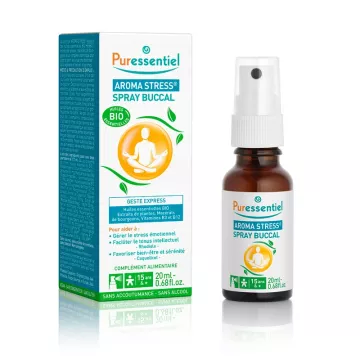



Stage fright is a form of situational and temporary anxiety experienced specifically before a public performance—such as an exam, a speech, an interview, or a sports or artistic competition. It manifests as physical symptoms (sweating, heart palpitations, trembling, dry mouth) and cognitive symptoms (difficulty concentrating, memory lapses, racing thoughts). Unlike chronicanxiety —a diffuse and persistent condition that can arise without an identifiable external cause and have a lasting impact on daily life—stage fright is limited in time and space: it appears before a specific event and subsides once the event has begun or ended. It is a normal physiological reaction of the sympathetic nervous system in response to a performance challenge, which can even become a positive driver of concentration and energy when properly channeled.
Stage fright generally results from a combination of identifiable factors: fear of failure or of others’ judgment, lack of confidence in one’s preparation, a situation perceived as crucial to one’s self-esteem, or a past negative experience in a similar situation. Several strategies can significantly reduce its intensity beforehand:
On the day of the event, briefly interacting with the audience or those present before you begin reduces feelings of isolation, and focusing on the process of the task rather than its final outcome limits self-imposed pressure.
For occasional use before a stressful event, several natural remedies offer quick and appropriate relief. Passionflower (EMA: well-established use) soothes acute anxiety without causing excessive drowsiness or a pronounced sedative effect, making it compatible with the performance that follows—when taken as needed within the hour before the event. Chamomile (as a tea or extract) has a gentle calming effect on the nervous system, which is helpful in the hours leading up to the event. Valerian (EMA: well-established use) is better suited for regular use in the days leading up to the event rather than as an immediate remedy, as its sedative effect may be too pronounced for use right before a performance.
From a nutritional perspective, magnesium bisglycinate (300 mg/day as a preventive regimen starting a few days before the event) reduces the neuromuscular hyperexcitability that causes the tremors and palpitations associated with stage fright. For recurrent and debilitating performance anxiety that significantly interferes with academic, professional, or social performance, support from a mental health professional—particularly through cognitive-behavioral therapy techniques—can help identify underlying thought patterns and develop sustainable coping strategies.