Nighttime awakenings are an integral part of the normal sleep architecture—every night, the body goes through 4 to 6 90-minute cycles that alternate between light, deep, and REM sleep, with brief micro-awakenings during the transitions. These micro-awakenings are physiological and are usually not remembered. They become pathological when they last longer than 5 to 10 minutes and prevent you from falling back asleep. The main causes include: the cortisol spike between 3:00 and 4:00 a.m. (which is exaggerated in cases of chronic overwork ), reactive nocturnal hypoglycemia (an evening meal high in fast-acting sugars), nocturia (the need to urinate at night, common after age 50), joint or muscle pain, menopausal hot flashes, or underlying anxiety that resurfaces during the transitions between cycles.
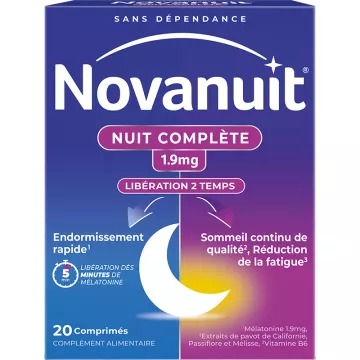
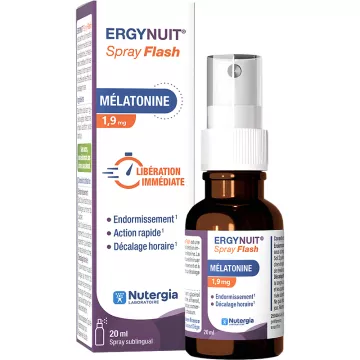
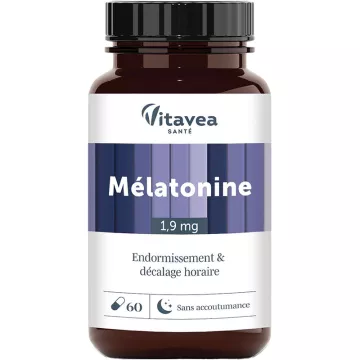
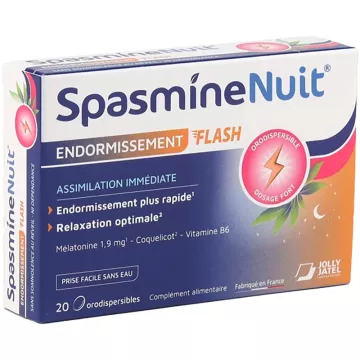
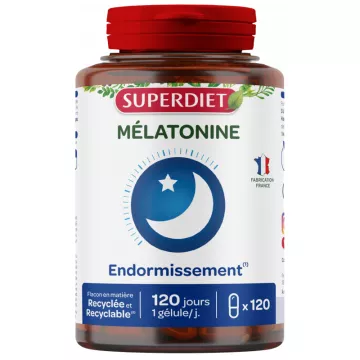
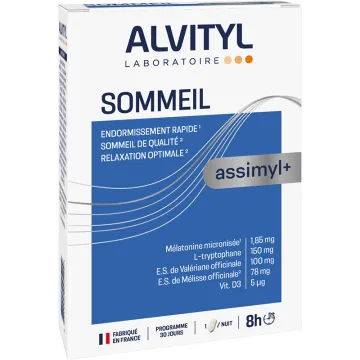
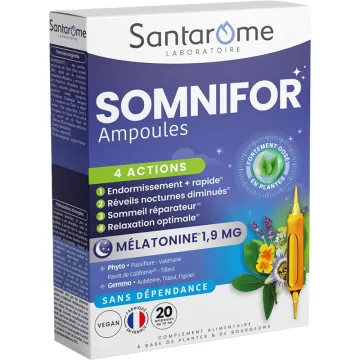
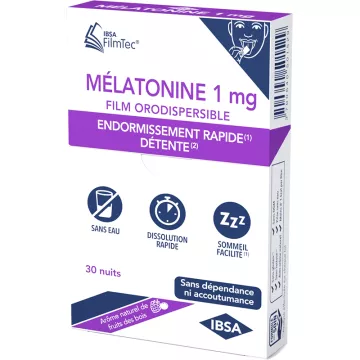
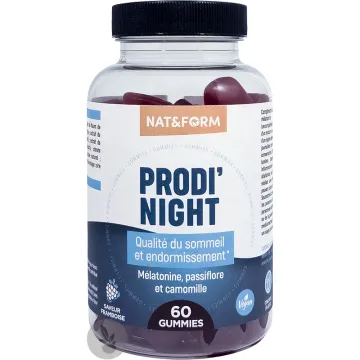
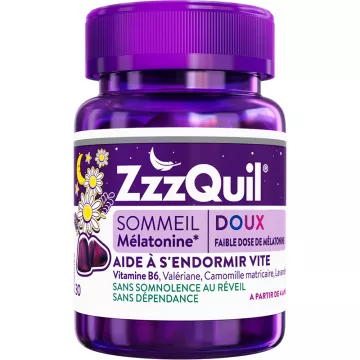
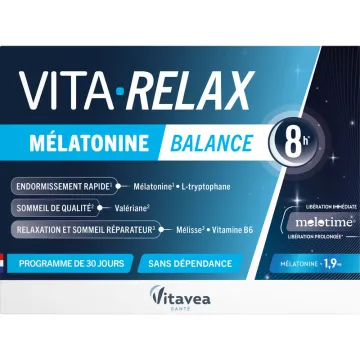
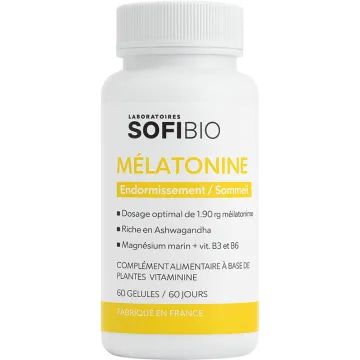
The formulation of melatonin is crucial. Extended-release melatonin (LP 1.9 mg, effective for 6–8 hours) is the gold standard for preventing nighttime awakenings—it maintains a stable plasma level throughout the night, reducing the frequency of micro-awakenings during sleep cycle transitions. Take 1 to 2 hours before bedtime. Immediate-release melatonin (flash, orodispersible) is the formula for quickly falling back asleep—to be used upon waking at night (0.5 to 1 mg, dissolved under the tongue), allowing you to fall back asleep in 10 to 20 minutes. “4-action” formulas (sustained-release melatonin + fast-acting melatonin + sedative herbs + magnesium) combine both release profiles. The combination of valerian (450–900 mg) and sustained-release melatonin is the best-documented synergy for preventing nighttime awakenings. Residual nighttime muscle tension can contribute to waking up—magnesium bisglycinate (300–400 mg at bedtime) helps relieve it.
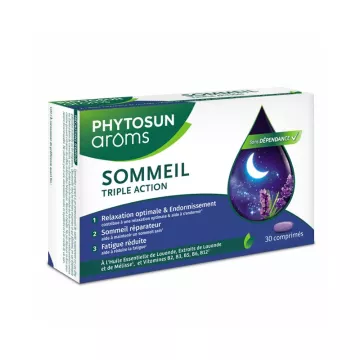
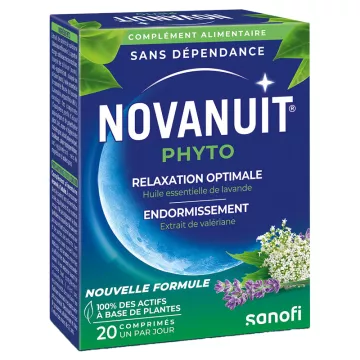
Emotional stress is the most common cause of waking up during the first half of the night. Hyperactivation of the hypothalamic-pituitary-adrenal axis causes a nocturnal cortisol spike that pulls the sleeper out of deep sleep.Irritability that builds up during the day leads to nighttime rumination, which activates the prefrontal cortex. Chronic emotional fatigue disrupts the regulation of the autonomic nervous system at night. Lipid-based essential oil capsules (lavender + marjoram + bergamot, sustained-release) and complex stress + sleep formulas (passionflower + valerian + magnesium + L-theanine) are the most appropriate approaches for these emotionally-induced awakenings.
During perimenopause or menopause, nighttime awakenings have a specific physiological cause: vasomotor hot flashes (sudden vasodilation with intense sweating, linked to falling estrogen levels) trigger complete awakenings in the middle of deep sleep, typically between 1 a.m. and 4 a.m. In severe cases, they can occur 3 to 8 times per night. Natural treatment combines phytoestrogens (40–80 mg of isoflavones per day), common sage (280–300 mg per day, an antiperspirant), extended-release melatonin, and raspberry buds in gemmotherapy. Nighttime nervousness associated with hot flashes can be alleviated with complementary adaptogens (rhodiola, ginseng).
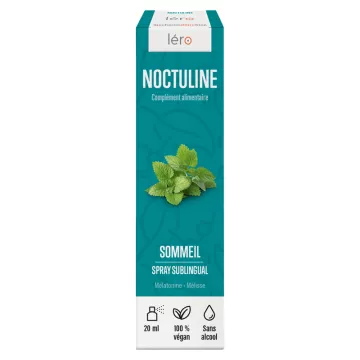
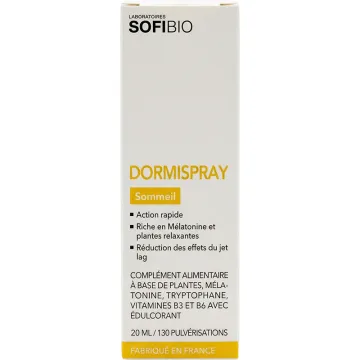
Five habits significantly reduce the frequency of waking up. Limit fluid intake after 7 p.m. (reduces nocturia, the leading cause of waking up after age 50). Avoid fast-acting sugars at dinner (to prevent reactive nocturnal hypoglycemia). Keep the bedroom cool (18–19°C). Practice 5 minutes of journaling (write down 3 concerns for the next day along with a brief solution—this clears the mind and reduces cortisol levels that cause waking at 3 a.m.). Avoid all screens after 9 p.m. Taking extended-release melatonin 1–2 hours before bedtime, combined with a valerian and passionflower herbal tea, is the most effective natural approach for maintaining uninterrupted sleep. A melatonin spray kept by the bedside is helpful in cases of persistent nighttime awakenings.
Occasional nighttime awakenings (a few nights a week, lasting < 4 weeks) are common and can be managed using the approaches described. A medical consultation is necessary when nighttime awakenings persist for > 4–6 weeks despite optimized sleep hygiene and proper supplementation, or if they are accompanied by associated symptoms: chest pain or nighttime palpitations (cardiological evaluation), apneas observed by a partner (polysomnography), nocturnal pollakiuria in men (prostate evaluation), nocturnal fever and profuse sweating without hot flashes (infectious disease or hematological evaluation). Intense nighttime restlessness with frequent awakenings that persists after adjusting natural treatment approaches may indicate restless legs syndrome (iron deficiency should be tested) or a REM sleep disorder requiring specialized evaluation.