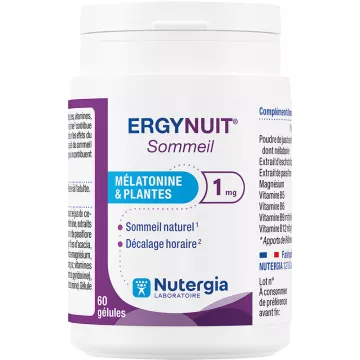
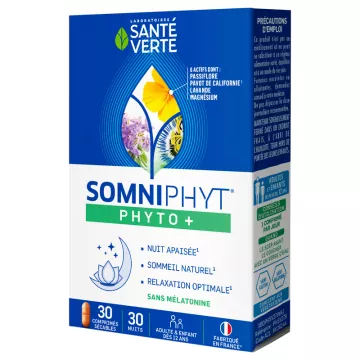
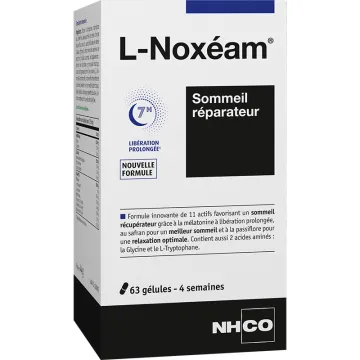
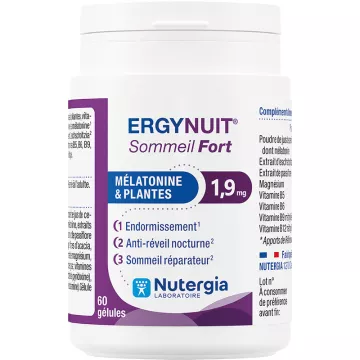
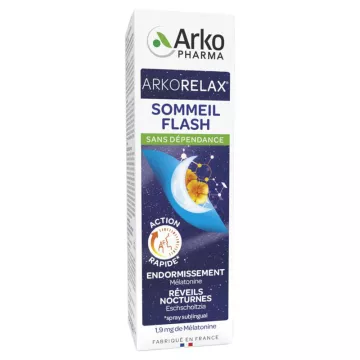
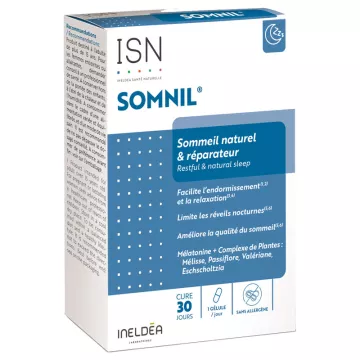
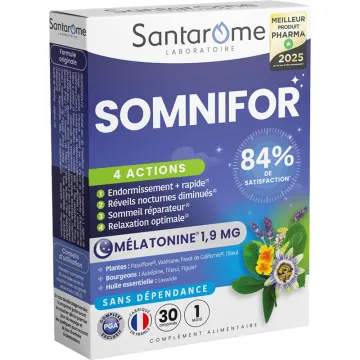
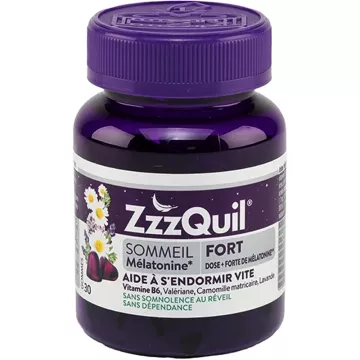
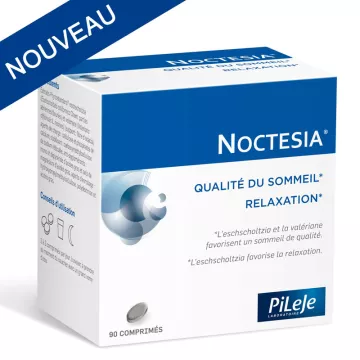
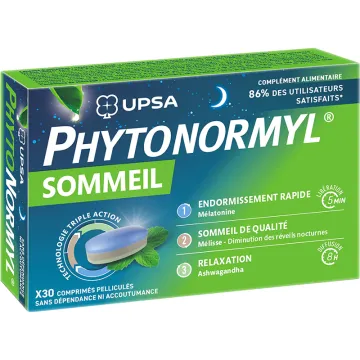
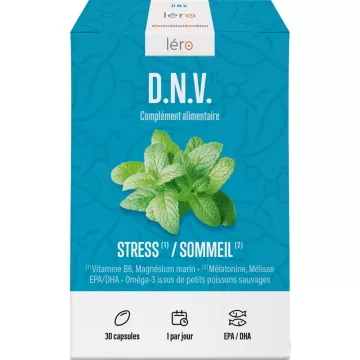
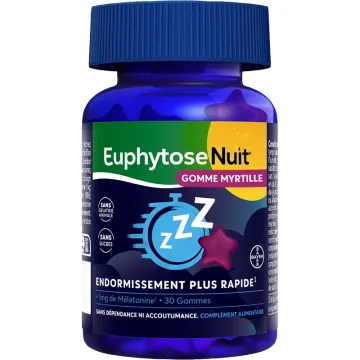
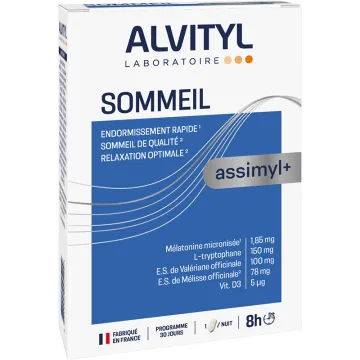
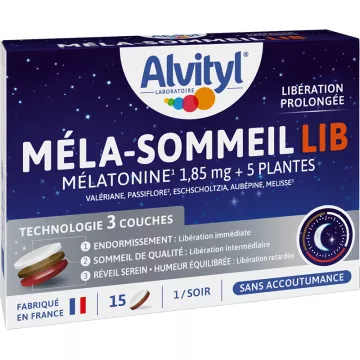
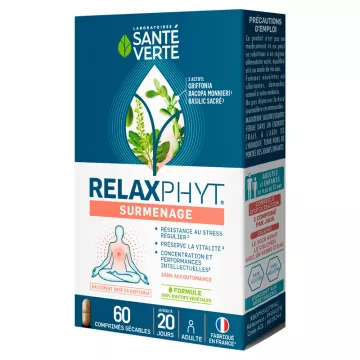
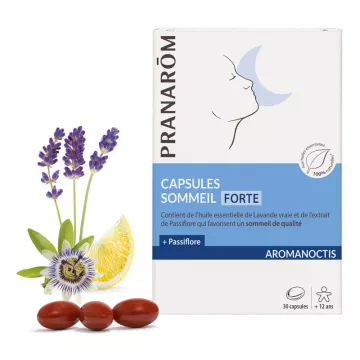
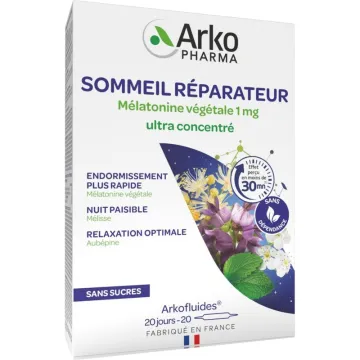
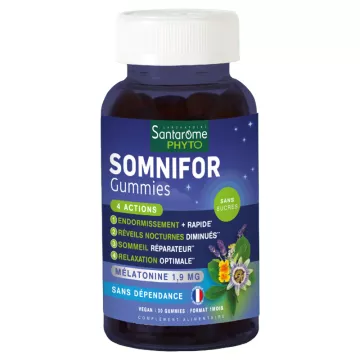
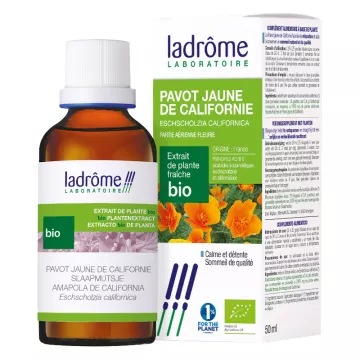
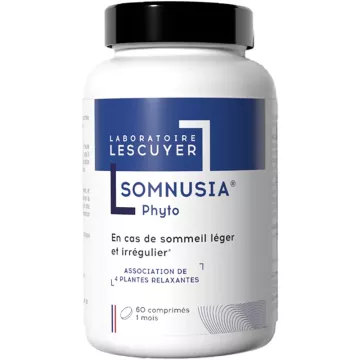
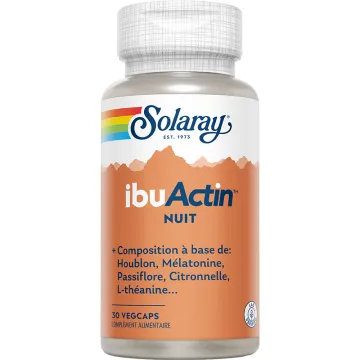
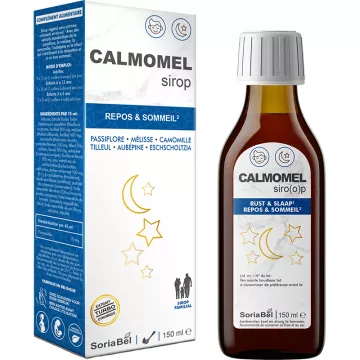
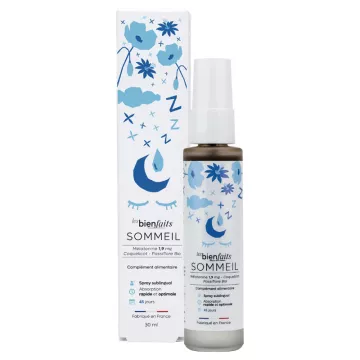
Are you having trouble falling asleep? You’re not alone. Whether due to daily stress, hormonal changes such as menopause, or a hectic lifestyle, sleep disorders affect many people at different stages of life. At Soin et Nature, we’ve carefully selected phytotherapeutic solutions formulated with medicinal plants known for their soothing properties. Designed to work gently, these formulas naturally target the nervous system, helping you fall asleep more easily, prolong deep sleep phases, and reduce nighttime awakenings—all without causing dependence or unwanted side effects. Valerian, passionflower, hops, and lemon balm: these plants work together to help you enjoy restful nights, with complete peace of mind.
More details
Discover our new line of herbal remedies to effectively treat sleep disorders naturally. Feeling tired upon waking, looking haggard, and experiencing daytime drowsiness —your nights are restless, and your sleep is not restorative. Winter is the season for sleep and recovery. Many signs point to this: the nights are longer, animals hibernate, and nature provides us with energy-boosting dried fruits rich in fatty acids and fortifying, nourishing vegetables.
Anyone suffering frominsomnia—whether complete or partial—or those whose sleep is disturbed or restless, despite their best efforts, are unable to fully take advantage of the opportunity winter offers. Stress, anxiety, distress, and waking up during the night. The causes of insomnia can vary. But by choosing herbal medicine—and the right herbs—you can promote sleep and regain a restful night’s sleep.
Sleep disorders are generally temporary. Don’t reach for the “heavy artillery” right away. Try gentle methods instead! Most herbs have the advantage of causing few or no side effects and do not lead to dependence. The herbs recommended for sleep disorders are primarily those with sedative (calming) properties, such as valerian, passionflower, hops, lemon balm, and hawthorn... They are used individually or in blends containing several herbs. These herbs are most often available as medications or extracts in capsules, tablets, or in their natural form for herbal teas.
Sleep is governed by two processes:
Clinically, there are several types of insomnia:
On the one hand, there is transient and occasional insomnia—the most common type—which lasts from a few nights to several weeks. It may be related to a recent event (reactive sleep disturbances) or an upcoming event (anxiety-induced insomnia). It is exacerbated by noise pollution, work or family worries, a long nap, or jet lag. On the other hand, there is chronic insomnia, defined as disrupted sleep lasting more than one month.
It is associated with specific anxiety disorders and frequently manifests as somatization (functional cardiovascular, digestive, or muscular symptoms).
Sleep disorders reflect an imbalance in the sleep-wake cycle and may correspond to a desynchronization of circadian rhythms: melatonin plays a key role here, as a chemical mediator of biological rhythm synchronization and a modulator of other neurotransmitters, as well as through its neuroendocrine and sleep-regulating functions.
This refers to a dysfunction in the sleep-wake cycle.
It occurs during rapid travel across more than two time zones. In particular, it has been observed that eastward travel (which advances the sleep cycle) causes more severe symptoms than westward travel (which delays the sleep cycle).
These symptoms will last as long as it takes to recover, which varies from person to person. The person will feel tired and irritable due to disrupted sleep.
These problems will be proportional to the frequency of schedule changes. Sleep quality is reduced, as noise and light interfere with rest; the sleep period is too short—a condition known as “chronic sleep deprivation”—leading to various problems (irritability, depression, gastrointestinal disorders).
It is difficult to fall asleep; insomnia tends to become chronic and leads to fatigue, difficulty concentrating, and mood disorders.
Insomnia is the insufficiency or absence of sleep, which prevents proper rest. It is characterized by frequent awakenings and early waking.
Difficulty falling asleep is the most common form of this disorder. The person cannot fall asleep for several hours, due to anxiety or poor lifestyle habits (alcohol abuse, smoking, eating too much or too late, etc.). This form of insomnia can also occur during the second half of the night, after 3 a.m.: the person wakes up feeling anxious or overwhelmed by obsessive thoughts, and then ends the night with poor-quality sleep. It can lead to headaches during the day, irritability, and drowsiness.
Nighttime rumination leading to insomnia is often due to a drop in GABA levels.
Soin-et-Nature offers a wide range of dietary supplements designed to manage stress and improve sleep, to support your daily well-being. Here are the main categories available:
These dietary supplements available on Soin-et-Nature offer natural solutions to address specific needs related to stress and sleep, promoting lasting well-being.