How can you clear a stuffy nose quickly and naturally?
A stuffy nose is one of the most uncomfortable symptoms of a cold, allergies, or sinusitis. Several natural approaches can relieve congestion without resorting to over-the-counter decongestants—or can effectively complement them. Dailynasal hygiene and nasal congestion care are at the heart of natural management.
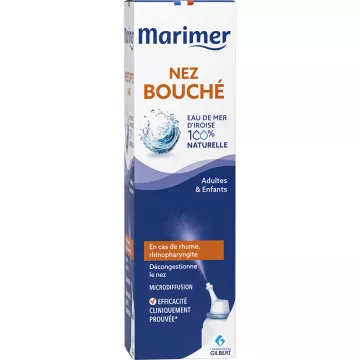
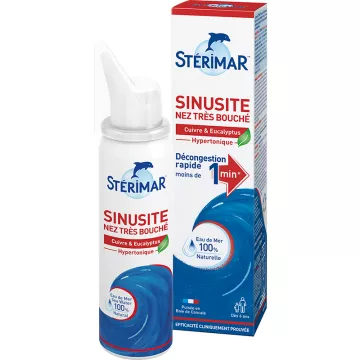
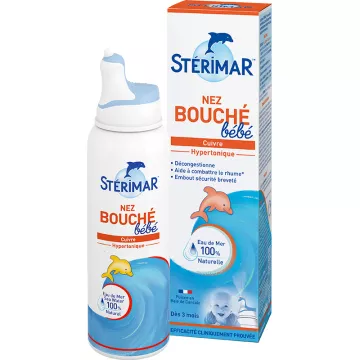
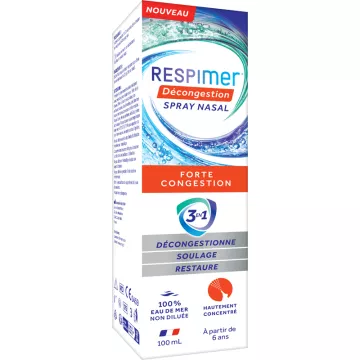
- Nasal irrigation with saline solution or seawater: the most effective and best-documented method—it mechanically removes mucus, allergens, and viruses from the nasal passages—to be performed using a nasal irrigation device (isotonic spray, neti pot, flexible bottle) — 2 to 4 times a day during acute episodes — unless contraindicated (except in cases of active ear infection)
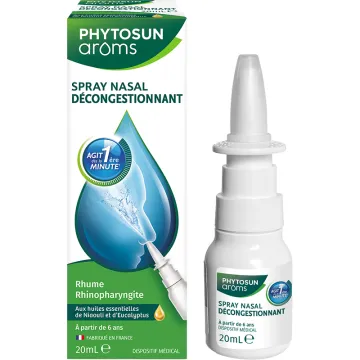
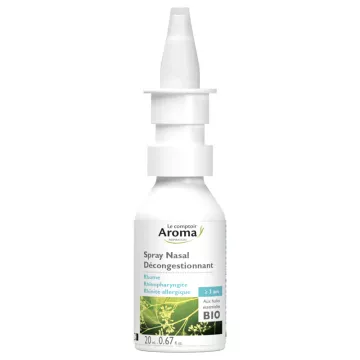
- Essential oil steam inhalation: hot water at 42–45 °C in a bowl, with the head covered by a towel—add 2 to 3 drops ofEucalyptus globulus essential oil (1,8-cineole, which is mucolytic and decongestant) or peppermint essential oil (menthol, which is refreshing) diluted — 10 minutes, 2 to 3 times a day — contraindicated for children under 7 years of age (risk of burns) and for pregnant women
- Warm compress: a compress soaked in warm water applied to the forehead and the sides of the nose—dilates local blood vessels and relieves sinus pressure—alternate with a cold compress to enhance the vasomotor effect
- Hydration and positioning: 1.5 to 2 L of fluids per day (hot herbal teas, broths) help keep mucus thin — sleeping with the head slightly elevated (10–15 cm) reduces nighttime congestion through gravitational drainage
Which herbal remedies can help relieve nasal congestion?
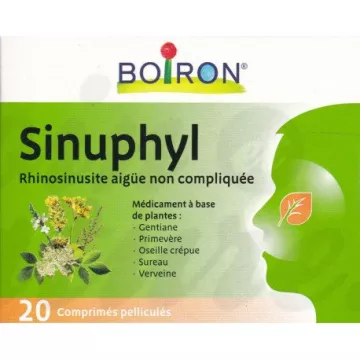
- Thyme (Thymus vulgaris): thymol, which acts as an expectorant, an airway antiseptic, and a mucus-thinning agent—as an infusion, 2 to 3 cups per day—well-established traditional use (EMA) for catarrhal conditions
- Black elderberry (Sambucus nigra): antioxidant flavonoids and the antiviral compound 3-cyanidinol—reduces the duration and severity of viral ENT infections in several clinical trials—available as syrup, capsules, or standardized extract
- Garlic and onion: allicin (garlic) and quercetin (onion)—antimicrobial and anti-inflammatory properties for the mucous membranes—consume raw or as an extract to preserve heat-sensitive active compounds
- Hot spiced tea (ginger, cinnamon): warmth + anti-inflammatory gingerols + moisturization of the nasal passages — rapid symptomatic relief without side effects
When to use medicinal decongestants and what are the risks?
- Topical nasal decongestants (oxymetazoline, xylometazoline): local vasoconstrictors — fast-acting (5–10 min) — effective during periods of severe congestion — maximum duration of use: 3 to 5 days — beyond that, risk of medication-induced rhinitis (rebound congestion upon discontinuation — a vicious cycle of dependence on the spray) — contraindicated in children under 15 and in cases of uncontrolled hypertension
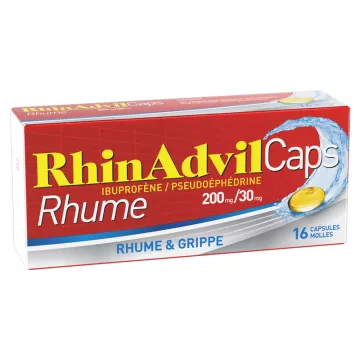
- Oral decongestants (pseudoephedrine): systemic effects (palpitations, high blood pressure, insomnia) — use only under medical or pharmaceutical supervision — contraindicated in patients with high blood pressure, heart disease, and pregnant women
- Nasal corticosteroids (fluticasone, mometasone): potent anti-inflammatory agents — persistent allergic rhinitis or polyposis — delayed onset (1 to 2 weeks for full effect) — by prescription or upon advice from a pharmacist
- Consult a doctor if: congestion persists for more than 10 days — fever above 38.5 °C with greenish mucus (probable bacterial sinusitis) — severe unilateral facial pain — chronic unilateral nasal congestion (deviated septum, nasal polyps)