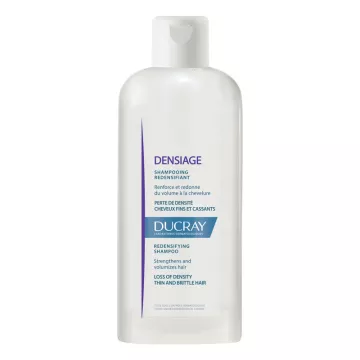
Brittle hair breaks easily along its entire length, indicating a lack of moisture and nutrients in the hair shaft. This fragility stems from a combination of factors: chemical treatments (hair coloring, straightening), frequent useof heat-styling tools (hair dryers, straighteners, curling irons), and environmental aggressors (sun, wind, pollution) that damage the cuticle. An unbalanced diet, lacking in essential vitamins and minerals, also weakens the hair shaft from the inside. Physically, when the protective cuticle wears down, the hair shaft loses its elasticity and snaps cleanly at the slightest tension. Understanding these causes allows you to address them proactively. Unlike split ends (which split at the tips), brittle hair can break at any point. A gentle, nourishing hair care routine is the best solution.
Preventing breakage requires a gentle, moisturizing routine:
These nutrients support the quality and elasticity of the hair shaft. Consistently following these healthy habits—rather than relying on occasional treatments—lastingly strengthens the hair’s resilience.
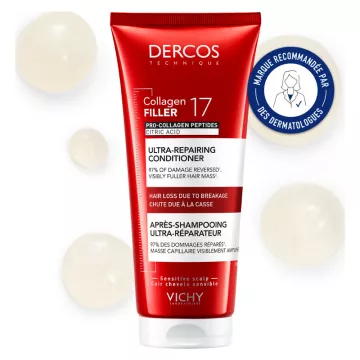
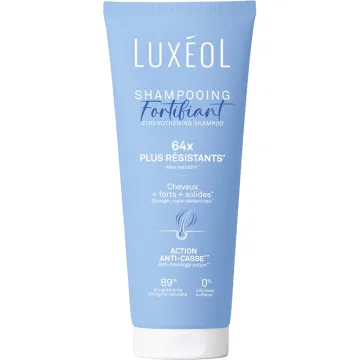
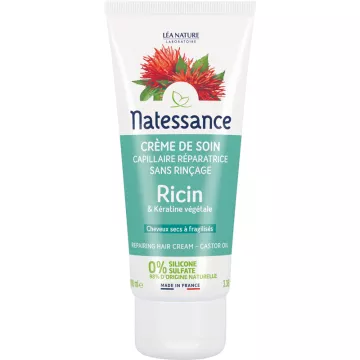
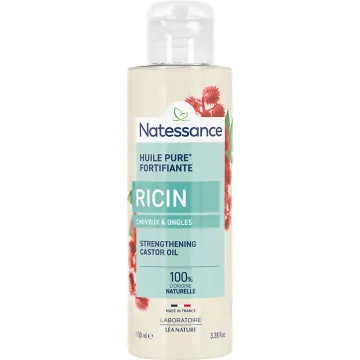
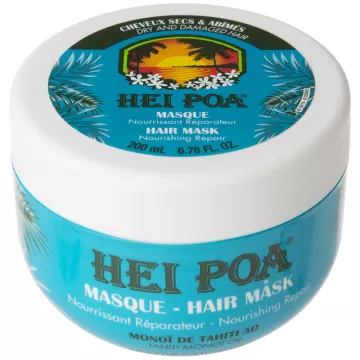
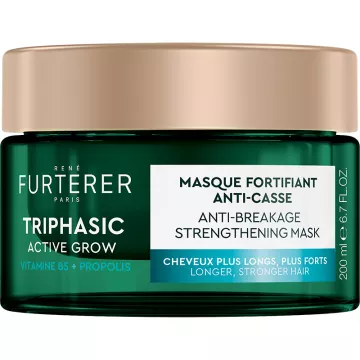
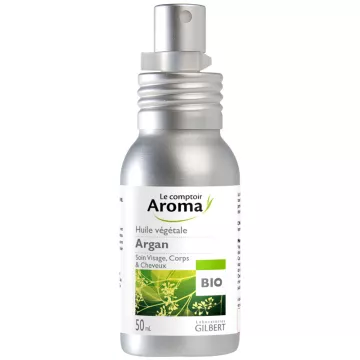
Hair care for brittle hair varies depending on the severity of the breakage. Coating masks, when applied regularly, improve the appearance and strength of the hair shaft and smooth the ends: they often contain proteins, ceramides, and amino acids that improve the appearance of weakened hair—though they cannot “rebuild” a structurally damaged hair fiber, since hair is dead matter. Plant-based oils such as coconut or jojoba deeply nourish dry and brittle lengths, locking in moisture and protecting against damage. To choose the right products, look for those specifically formulated for damaged or dry hair, containing moisturizing and coating active ingredients (plant proteins, ceramides, antioxidants). Important: Alternate between protein-based treatments (strength) and moisturizing treatments (softness), as an excess of protein can make hair stiff and, paradoxically, more brittle. It’s the balance between the two that truly makes the hair fiber more resistant to breakage.
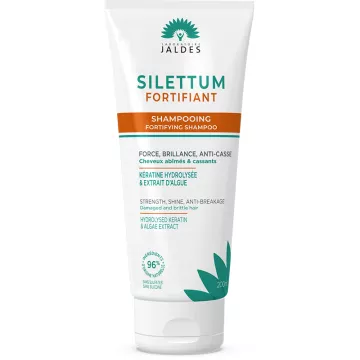
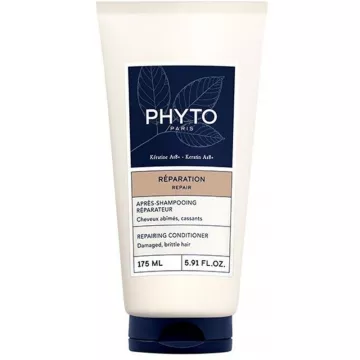
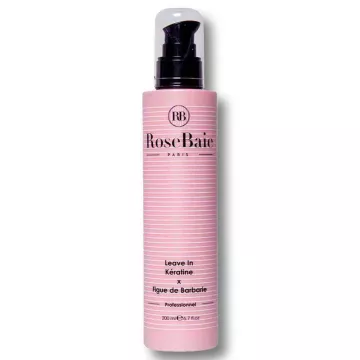
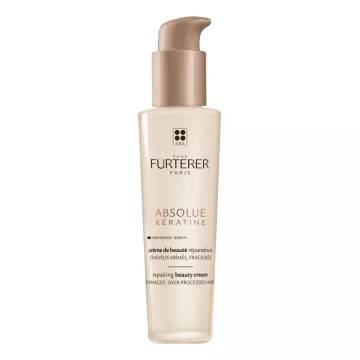
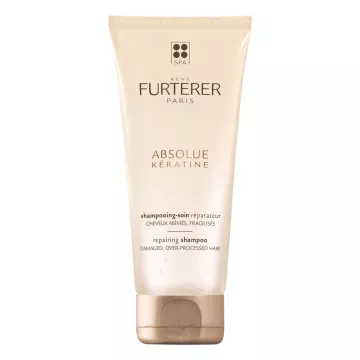
Keratin is the fibrous protein that forms the hair’s main structure: it gives hair its strength and elasticity. When this structure is damaged by external stressors, the hair loses its strength and becomes brittle. Keratin-based products help coat the hair’s outer layer, temporarily filling in damaged areas of the cuticle and making the hair shaft smoother, more supple, and less prone to breakage under mechanical or chemical stress. However, it’s important to note that while these treatments improve the hair’s appearance and behavior on the surface, they do not truly “rebuild” the internal keratin of dead hair. Incorporating keratin treatments into your routine is nonetheless beneficial for enhancing appearance and minimizing breakage. Note: Be cautious with salon-style keratin-based smoothing treatments, as some may contain formaldehyde, a regulated substance (limit of 0.2% in the EU)—check the ingredients.
Brushing can either prevent or cause breakage. Gentle brushing with a soft, natural-bristle brush distributes protective sebum from the roots to the ends, which moisturizes the hair and reduces breakage. But brushing too vigorously—especially on wet hair (which is more vulnerable)—causes significant breakage. It’s better to detangle with a wide-toothed comb in the shower, on conditioned hair. Water quality also matters: hard water, which is high in calcium and magnesium, leaves behind residues that weigh down, dull, and weaken the hair. A shower filter reduces this hardness and protects the hair shaft from mineral buildup. Finally, finishing your wash withcold water closes the cuticles, making your hair smoother, shinier, and less prone to breakage. These simple adjustments—proper brushing technique and better-quality water—help limit the daily mechanical stress that weakens and breaks the hair shaft.
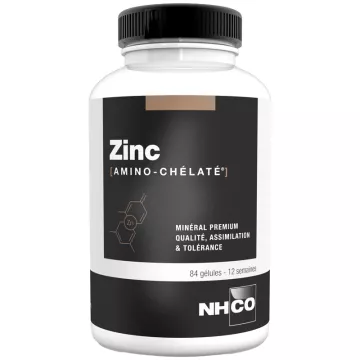
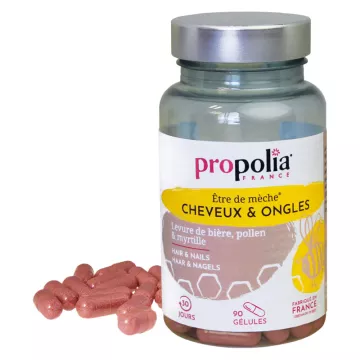
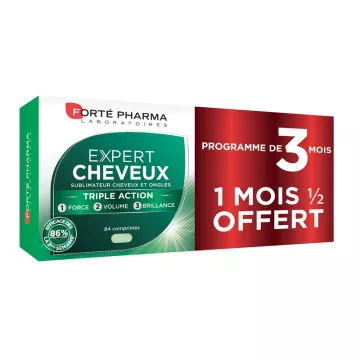
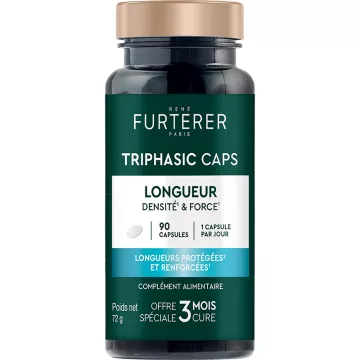
Stress can affect hair health: it disrupts the growth cycle and can lead to thinning and increased breakage. It can also sometimes lead to harmful behaviors such as scratching the scalp or trichotillomania (compulsive hair pulling), which damage the hair shaft—the latter condition requiring specialized treatment. Managing stress through relaxation and calming activities therefore contributes to hair health. In terms of nutrition, protein is essential (since hair is composed of keratin), as are B vitamins—including biotin— zinc, iron, and vitamin C. Biotin and zinc help maintain normal hair; iron helps reduce fatigue; and vitamin C supports normal collagen formation. A balanced diet generally meets these needs; supplements are only warranted in cases of proven deficiency. If hair breakage is accompanied by significant hair loss, medical advice is recommended.