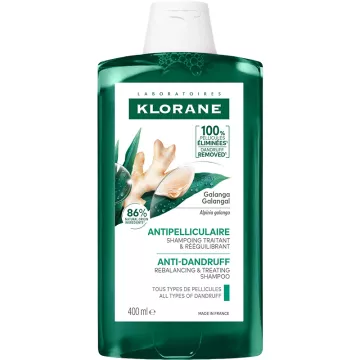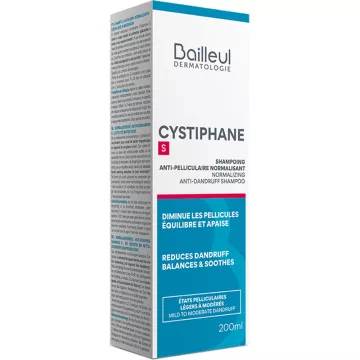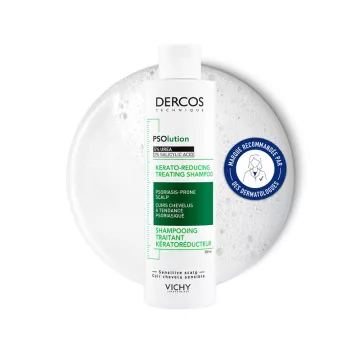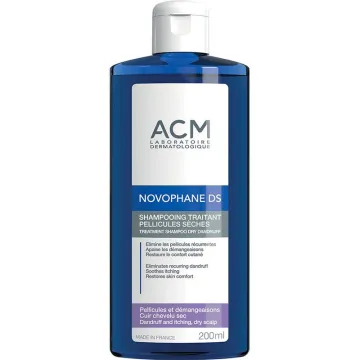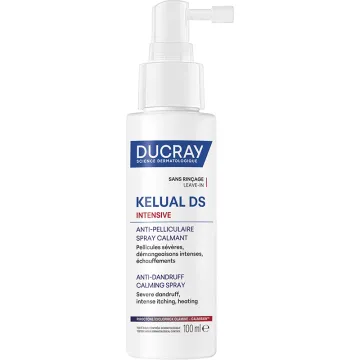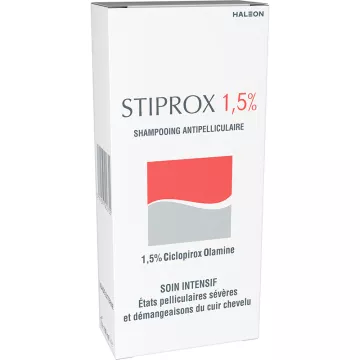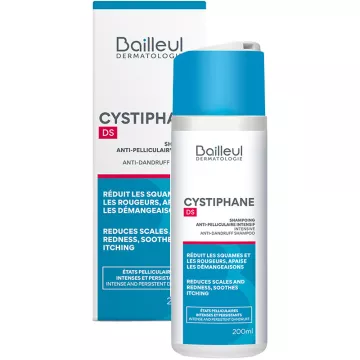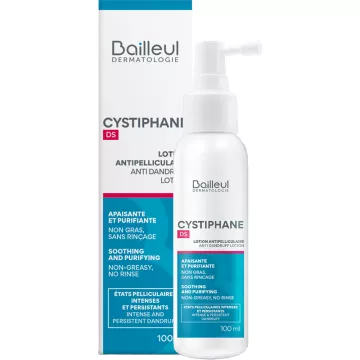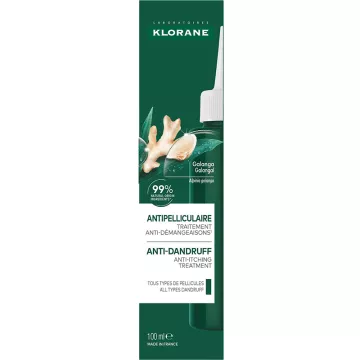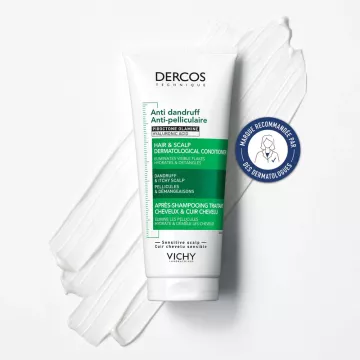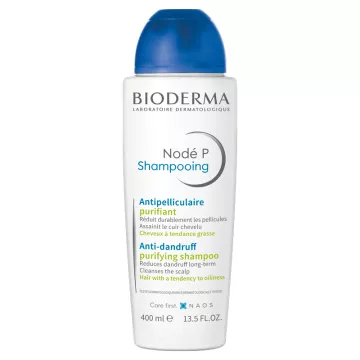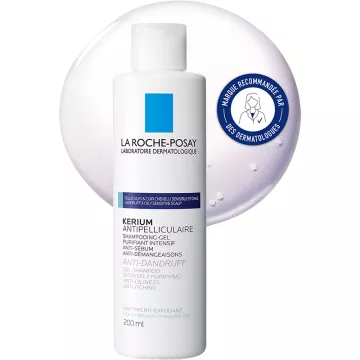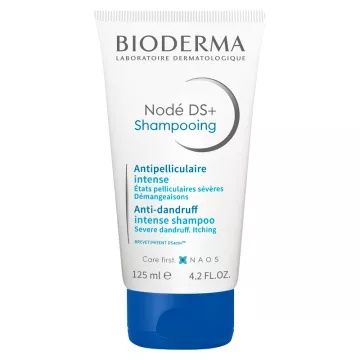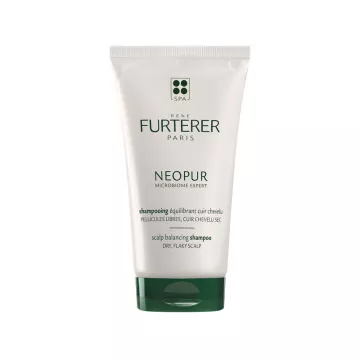
Dandruff consists of small particles of dead skin that flake off the scalp. Often mistakenly associated with poor hygiene, its actual causes are more complex: excess sebum, stress, hormonal changes, and, above all, the presence of a microorganism naturally found on the scalp called Malassezia. This yeast feeds on the scalp’s oils and, in susceptible individuals, accelerates cell turnover, promoting the development of dandruff. An imbalance in the scalp, rather than dirt, is therefore the real culprit. Understanding this mechanism helps you choose an appropriate approach rather than washing your hair more frequently, which can actually worsen the discomfort by throwing the scalp out of balance.
Distinguishing between the two types guides the choice of treatment:
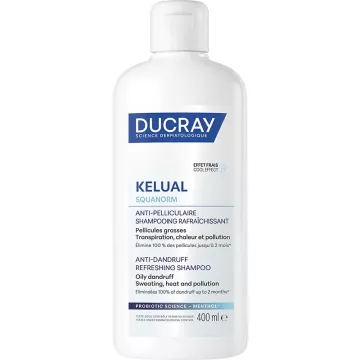
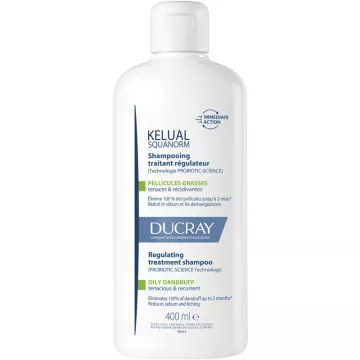
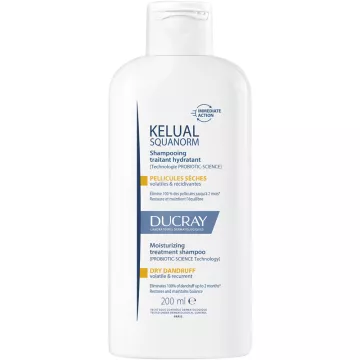
Oily dandruff calls for regulating and purifying treatments, while dry dandruff requires gentler, soothing treatments. Identifying your type helps you avoid using an unsuitable product that could exacerbate the imbalance.
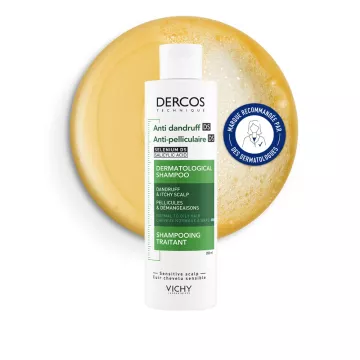
An effective anti-dandruff shampoo contains targeted active ingredients, each of which works slightly differently. Zinc pyrithione and selenium sulfide help regulate the growth of the yeast responsible for the discomfort.Salicylic acid gently promotes the removal of flakes. Coal tar, which is more potent, is a regulated active ingredient that should be used with caution and only under professional guidance. These active ingredients work to improve scalp comfort and balance rather than serving as a medical treatment per se. For mild to moderate dandruff, these shampoos are an appropriate first-line treatment. If they prove ineffective or if you have a very sensitive scalp, seek professional advice to find a more appropriate solution. It’s essential to check the ingredients and ensure the product is suitable for your scalp type (oily or dry).
For best results, apply the anti-dandruff shampoo to wet hair, gently massage the scalp, then let it sit for several minutes before rinsing thoroughly: this processing time allows the active ingredients to take effect—a step that is often overlooked. Regular use is necessary to maintain results. The frequency depends on the formula: some mild shampoos are suitable for frequent use, while others, with more potent active ingredients, should be limited to 2 to 3 times a week. Start with moderate frequency and observe how your scalp reacts. For maintenance, alternating with a mild shampoo prevents overloading the scalp with active ingredients. Following the manufacturer’s instructions ensures effective use that also respects the scalp’s natural balance.
Some home remedies can provide temporary relief without addressing the underlying causes. Apple cider vinegar, when used as a diluted rinse, helps rebalance the pH and restore shine.Coconut oil nourishes a dry, uncomfortable scalp. Natural active ingredients liketea tree oil or green tea help promote scalp comfort. These gentle solutions are suitable as a supplement or for occasional dandruff, but for a persistent imbalance, specifically formulated products remain more effective. Home remedies are no substitute for proper treatment in cases of persistent dandruff: they relieve symptoms rather than addressing the cause, and their effectiveness varies from person to person.
Prevention relies on maintaining a balanced scalp. Regular but gentle washing removes excess sebum and dead skin cells without stripping the scalp: a scalp that is overly stressed often reacts by producing too much sebum. A balanced diet rich in zinc, B vitamins, and omega-3 fatty acids supports scalp health. Limiting the use of styling products—which can irritate the scalp and promote buildup—is also helpful. Managing stress, a known aggravating factor, contributes to scalp balance. Avoiding excessively hot water when rinsing and sources of excessive heat (such as a hot hair dryer) helps preserve the hydrolipidic film. These simple steps, incorporated into a regular hair care routine, help prevent recurrence and keep the scalp comfortable.
Most modern anti-dandruff shampoos are safe for colored hair. However, certain active ingredients, particularly selenium sulfide, may slightly alter or dull the color, especially in light shades or recently colored hair. For colored hair, look for products explicitly labeled as suitable for chemically treated hair, or opt for gentler active ingredients like zinc pyrithione. Spacing out uses and alternating with a color-protecting shampoo also reduces the risk of color fading. If in doubt, a hairstylist can recommend a compatible formula. Note that over time, an anti-dandruff shampoo may seem to lose its effectiveness: alternating active ingredients or switching formulas often helps restore a healthy scalp.
A consultation is necessary in several situations. If you’ve tried several anti-dandruff shampoos without improvement, or if the dandruff is accompanied by redness, severe inflammation, hair loss, or scaly patches that extend beyond the scalp, medical advice is necessary. These signs may indicate an underlying condition such as seborrheic dermatitis or psoriasis, which require specialized medical treatment rather than simple cosmetic solutions. Similarly, intense itching, lesions, or a persistently irritated scalp warrant a consultation. A dermatologist can make an accurate diagnosis and, if necessary, prescribe appropriate treatments that over-the-counter shampoos cannot replace. When faced with a persistent problem, seeking professional advice remains the safest course of action.