What Is a Restless Child?
A restless child is characterized by excessive motor activity, difficulty staying calm, concentrating, or following instructions. Moving around, talking, interrupting, and quickly switching from one activity to another are all part of the normal daily life of a developing child. Restlessness becomes a concern when it consistently interferes with family, school, or social life.
Viewing restlessness as a signal rather than a flaw allows us to support the child with kindness and create a suitable environment. In most cases, lifestyle adjustments are enough to restore balance. Additional resources are available forthe child and for managingrestlessness in general.
What are the possible causes?
Several factors can explain a child’s restlessness:
- Lack of sleep: an underestimated but common cause, particularly among school-age children
- Excessive screen time: visual and cognitive overstimulation
- An unbalanced diet high in simple sugars, additives, or hidden caffeine (chocolate, soda)
- Stress or anxiety: academic or family difficulties, separation, grief
- Changes in routine: the start of the school year, moving, a new birth, or changes in childcare
- A naturally energetic temperament without an underlying medical condition
- Attention-Deficit/Hyperactivity Disorder (ADHD) in some cases
- Documenteddeficiencies in magnesium, iron, and B vitamins in some children
Identifying the source of restlessness helps determine the appropriate response. A combination of factors is often involved: addressing multiple factors simultaneously yields the best results. Specific resources are available for childhood nervousness andhyperactivity in general.
What daily habits should be adopted?
Several lifestyle factors can help calm restlessness:
- A predictable routine: regular meal, bedtime, and homework schedules
- Daily physical activity: at least 60 minutes a day according to the WHO, ideally outdoors
- Limiting screen time: no screens in the morning before school, no screens in the evening before bedtime, and noscreens in the bedroom
- Quiet spaces at home: a reading corner, puzzles, drawing, and building blocks
- Quality sleep: 10–13 hours for school-age children, in a cool, dark, and quiet bedroom
- Clear and supportive rules; consistency among adults
- Positive reinforcement of good behavior (encouragement, point system)
- Open communication about emotions and feelings
Specific resources are available to support a child’s mental focus and overall sleep.
What kind of diet should be prioritized?
Diet directly influences behavior and concentration:
- A balanced breakfast: protein, complex carbohydrates, and fruit, rather than sugary cereals alone
- Complex carbohydrates with a low glycemic index: whole-grain bread, oatmeal, brown rice
- Omega-3 from fatty fish (sardines, mackerel, salmon), canola oil, and walnut oil
- Magnesium from legumes, nuts, dark chocolate, and appropriate mineral waters
- A variety offruits and vegetables, at least 5 servings per day
- High-quality protein at every meal (eggs, fish, lean meats, legumes)
- Stay hydrated with plain water throughout the day
Limit: excessive simple sugars, sugary and energy drinks, ultra-processed foods, artificial food coloring (certain types such as tartrazine and Ponceau 4R have been flagged as problematic), and uncontrolled snacking. For magnesium and omega-3s in general, specific resources are available.
Are herbs and supplements helpful?
Several supplements can help promote calmness in children, when taken as directed by a pharmacist and appropriate for the child’s age:
- Magnesium: a common deficiency in restless children; bisglycinate or citrate forms are well tolerated
- Omega-3 EPA/DHA: documented benefits for concentration and emotional regulation
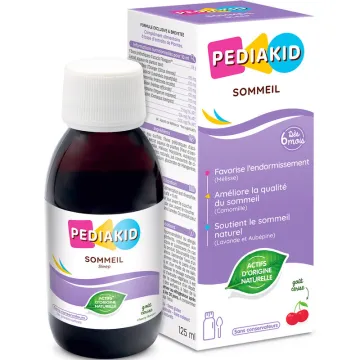
- Passionflower, lemon balm, linden: calming herbs in mild herbal teas or alcohol-free pediatric syrups
- Hawthorn: for nervousness and mild palpitations
- Valerian: restless sleep; generally recommended for children aged 6–12 and older, depending on the formulation
- Vitamin D3 and B vitamins as indicated by test results
Aromatic essential oils should be used with caution in children under 6 years of age, strictly under the guidance of a pharmacist (e.g., true lavender in an age-appropriate diffuser). Bach flower remedies or child-appropriate cardiac coherence techniques can complement the treatment. Specific resources are available for passionflower, lemon balm, and valerian in general.
When should you consult a professional?
Several situations warrant medical or psychological consultation:
- Intrusive restlessness affecting learning, self-esteem, and social relationships
- Persistent academic difficulties despite appropriate support
- Marked impulsive behaviors, aggression, or self-endangerment
- Chronic sleep disturbances, recurring nightmares
- Visible anxiety, withdrawal, sadness, loss of motivation
- Symptoms suggestive of ADHD: inattention, hyperactivity, and impulsivity lasting more than 6 months across multiple settings
- Family history of neurodevelopmental disorders
- Parental burnout, feeling overwhelmed
The primary care physician or pediatrician refers the child to appropriate specialists (psychologist, psychomotor therapist, speech-language pathologist, or pediatric neurologist, depending on the situation). An accurate diagnosis allows for targeted support. Your pharmacist remains a valuable resource for recommending age-appropriate supplements and identifying signs that require medical attention, in addition to regular pediatric follow-up. Specific resources are available for stress and memory in general.