What Is Nervousness in Children?
Nervousness in children refers to an emotional state characterized by anxiety, inner tension, fears, or a sense of insecurity. It differs from simple physical restlessness: a nervous child is, above all, a child experiencing an overload of emotions and thoughts that are difficult to put into words.
It varies depending on age, temperament, and context, and is expressed through the body as much as through behavior. Recognizing its signs and responding with care helps prevent the development of chronic anxiety. Most episodes of nervousness are temporary and can be effectively managed by parents. Additional resources are available to helpchildren cope with nervousness in general.
What are the signs to look for?
Several signs may indicate established nervousness:
- Repeatedfears or worries, sometimes disproportionate
- Difficulty falling asleep, nightmares, waking up during the night
- Recurringstomachaches or headaches with no physical cause
- Changes in appetite: snacking, refusal to eat
- Avoiding certain situations (school, activities, social interactions)
- Irritability, crying easily, mood swings
- Tics, onychophagia (nail-biting), prolonged thumb-sucking
- Difficulty concentrating or disorganization at school
The accumulation of these signs over several weeks warrants special attention. Forchildren who are generallyrestless, specific resources are available.
What are the possible causes?
Several factors may explain nervousness:
- Life changes: moving, starting school, separation, bereavement, the birth of a sibling
- Academic pressure: homework, grades, bullying, fitting in
- Family tensions or an unstable home environment
- Excessive screen time or exposure to anxiety-inducing content (news, inappropriate videos)
- Lack of sleep or irregular sleep patterns
- Nutritional deficiencies in magnesium, omega-3, and B vitamins
- Naturally emotional temperament, hypersensitivity
- Family history of anxiety, genetic predisposition
Identifying the main trigger guides treatment. A temporary situation (back-to-school, a test) often causes fleeting nervousness that subsides on its own. Foranxiety and stress in general, specific resources are available.
How can you support your child on a daily basis?
Several strategies can help calm a nervous child:
- Empathetic listening: allow the child to express their feelings without downplaying or overreacting
- A reassuring routine: regular meal times, bedtimes, and homework schedules
- A soothingbedtime routine: a story, a hug, soft music, and a dimly lit room
- A quiet space at home, such as a reading nook or a spot for arts and crafts
- Daily outdoorphysical activity (at least 60 minutes per day, according to the WHO)
- Limiting screen time, especially in the evening, and filtering content
- Simplebreathing techniques (child-friendly cardiac coherence, imaginary balloon)
- Guided meditation or yoga for kids via dedicated apps
- Putting emotions into words: naming fear, sadness, and anger to help children cope with them
For children’s sleep in general, specific resources are available.
Soothing herbs and supplements?
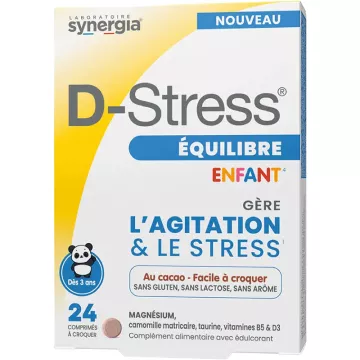
Several dietary supplements and herbs can help promote calm, based on age-appropriate advice from a pharmacist:
- Magnesium: a common deficiency in cases of prolonged nervousness; bisglycinate or citrate forms are well tolerated
- Omega-3 EPA/DHA: documented benefits for emotional regulation and mood
- Passionflower: a well-known calming herb, available in alcohol-free pediatric syrup
- Lemon balm: gentle, traditionally used for nervous agitation and sleep
- Linden and hawthorn: gentle evening teas, well-tolerated by children
- Valerian: generally recommended for children 6 years and older, depending on the form; for sleep disturbances associated with nervousness
- B vitamins based on nutritional assessment
- Alcohol-freeBach flower remedies, depending on the family’s sensitivity
Aromatic essential oils should be used with great caution in children under 6, strictly under the guidance of a pharmacist (e.g., true lavender in controlled diffusion). For passionflower, lemon balm, magnesium, and omega-3s in general, specific resources are available.
When should you consult a professional?
Several situations warrant medical or psychological consultation:
- Persistent nervousness lasting more than 4 to 6 weeks despite family adjustments
- Chronic sleep disturbances, repeated nightmares
- Stomachaches, headaches, or other recurring physical symptoms
- Refusal to go to school, declining academic performance
- Social isolation, withdrawal, persistent sadness
- Panic attacks with palpitations, feeling of suffocation
- Regressive behaviors (recurring bedwetting, thumb-sucking)
- Suspected bullying or abuse
- Traumatic history (bereavement, accident, contentious separation)
The primary care physician, pediatrician, or school physician will refer the child to the appropriate professionals: a child psychologist, a psychomotor therapist, or a child psychiatrist, depending on the situation. Early intervention helps prevent anxiety from becoming chronic. Your pharmacist remains a valuable resource for recommending appropriate dietary supplements and identifying situations that require medical advice, in addition to regular pediatric care.