





Agitation refers to a state of excessive excitability of the nervous system characterized by an inability to sit still, motor restlessness (constant movements, tapping, rocking), irritability, racing thoughts, and generalized muscle tension. It differs from simple anxiety in that it is characterized by predominant physical and motor symptoms. Physiologically, it results from hyperactivation of the sympathetic nervous system—the brain remains in “alert” mode without being able to switch to recovery mode. The main causes include chronic stress, functional nervousness, magnesium deficiency (which increases neuromuscular excitability), excessive consumption of caffeine or other stimulants, lack of sleep, and certain hormonal conditions (hyperthyroidism, premenstrual syndrome). Persistent, severe restlessness, or restlessness accompanied by other concerning symptoms (suicidal thoughts, inability to function) requires medical attention—it may be a sign of bipolar disorder, ADHD, or agitated depression.
Magnesium bisglycinate (300 mg/day) is the first-line treatment for stress-related functional agitation: as a cofactor in the synthesis of GABA (the primary inhibitory neurotransmitter), it directly reduces neuromuscular hyperexcitability, muscle spasms, palpitations, and irritability. A magnesium deficiency—extremely common in situations of chronic stress (stress depletes magnesium, and magnesium regulates the stress response)—is one of the most underestimated causes of chronic agitation. Valerian (EMA: well-established use—valerenic acid) exerts a GABAergic anxiolytic and mild sedative effect, particularly suited for nervous agitation accompanied by muscle tension and difficulty falling asleep. Passionflower (EMA: well-established use—anxiolytic flavonoids) is effective for restlessness with an anxious component and mental agitation—whether as a herbal tea or a standardized extract. These active ingredients can be combined, particularly magnesium and valerian for evening restlessness preceding poor-quality sleep. Avoid caffeine after 2 p.m., screen time in the evening, and incorporate relaxation techniques (cardiac coherence, meditation) to support the effects of the supplements.
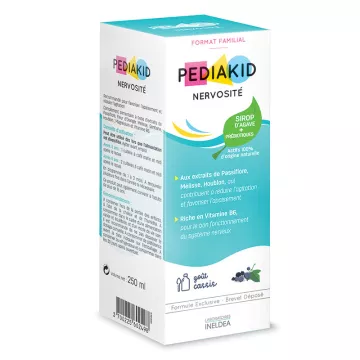
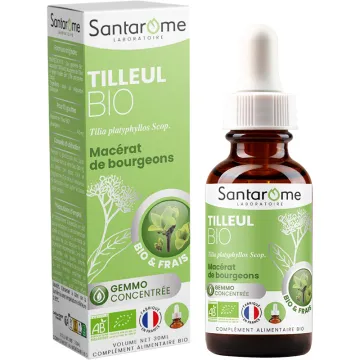
Restlessness in children—irritability, excessive crying, inability to sit still, hyperactive behavior—is common and often harmless (teething, separation anxiety, academic burnout, lack of sleep). It differs from ADHD (attention-deficit/hyperactivity disorder), which is a persistent neurodevelopmental disorder diagnosed by a specialist. For children, natural approaches to functional restlessness include a regular sleep schedule, limiting screen time (especially in the evening), a diet free of excessive simple sugars, and time for free play outdoors. In terms of supplements, magnesium (at a pediatric dose appropriate for the child’s weight) and child-friendly herbs (lemon balm, linden, and chamomile in a mild herbal tea) can be used as herbal teas or syrups—always under the guidance of a pediatrician or pharmacist for young children. For persistent nervousness in children, a consultation with a specialist remains essential.