Oral Care: How to Protect Your Oral Health Day After Day?
From the first plant-based toothpastes to modern devices like water flossers and healing gels, oral care has evolved by combining technology, natural ingredients, and targeted approaches. This category brings together a range of complementary solutions tailored to all profiles: children, adults, braces wearers, vulnerable patients, and those recovering from oral surgery.
Addressing this category means understanding the importance of regular cleaning, as well as managing issues such as cavities, gingivitis, dry mouth, mouth sores, and bad breath. It also means recognizing the connection between oral health and other aspects of the body: digestion, the immune system, and cardiovascular disease.
Which oral care products should you choose based on your specific needs?
In this category, you’ll find a selection organized by intended use, targeted conditions, or target audience. Here are the main product categories available to address all oral health concerns:
- Specialized toothpastes: with anti-cavity, desensitizing, whitening, or anti-plaque action. Some are enriched with fluoride, hydroxyapatite, antibacterial agents such as zinc, or plant extracts to strengthen enamel, reduce tooth sensitivity, or prevent biofilm buildup.
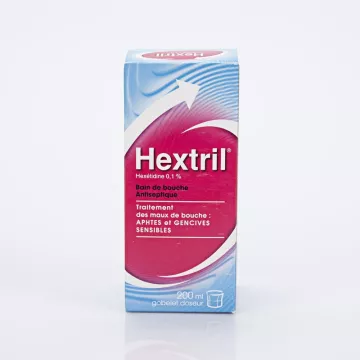
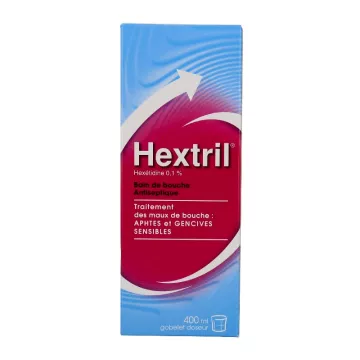
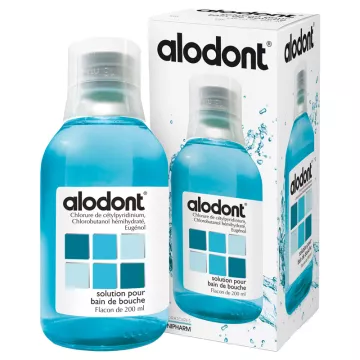
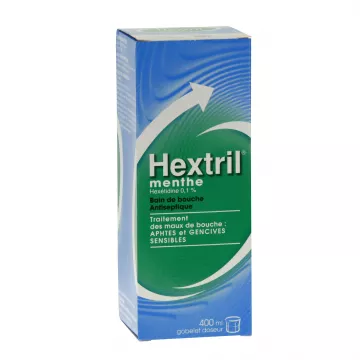
- Mouthwashes: antiseptic (chlorhexidine-based), fluoride-containing, soothing, or refreshing—they help reduce gum inflammation, promote healing, or limit bacterial growth.
- Brushing accessories: manual or electric toothbrushes, interdental brushes, water flossers, and tongue scrapers. They optimize mechanical cleaning and help reach hard-to-reach areas, particularly the spaces between teeth.
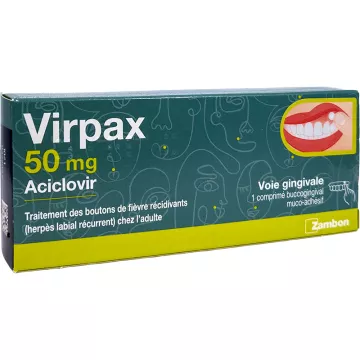
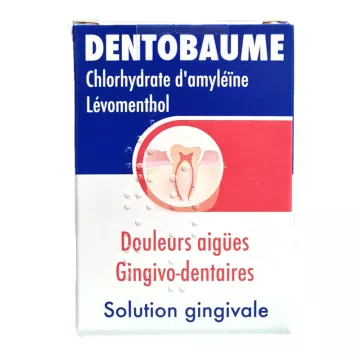
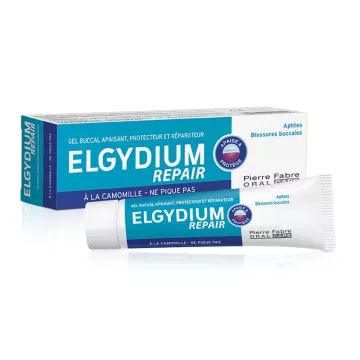
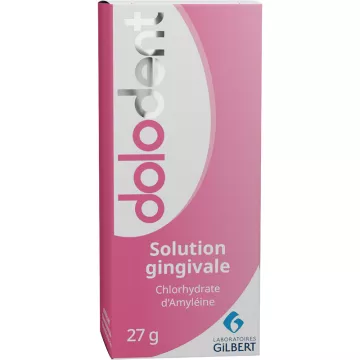
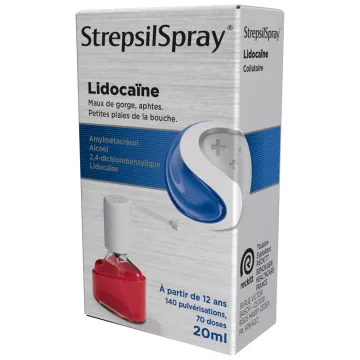
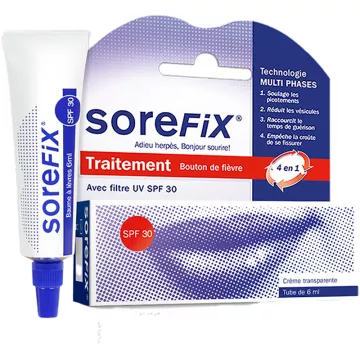
- Targeted treatments: gels for canker sores, antiseptic sprays, post-extraction hemostatic sticks, protective gels for chronic gingivitis, and foams for dentures. These products are formulated to provide rapid relief, promote tissue regeneration, or prevent recurrent infections.
- Pediatric products: fluoride-free or low-fluoride toothpastes, ergonomic toothbrushes, and fun oral care products designed for first teeth. These products encourage independent and safe oral hygiene from an early age.
- Products for denture and orthodontic appliance wearers: cleaning solutions, adhesives, disinfectant tablets, and protective waxes. These products improve daily comfort and reduce the risk of sores or irritation.
Each product line meets criteria for clinical efficacy, mucosal tolerance, andsuitability for daily use. The right product, used at the right time, can transform a routine into a true therapeutic care ritual.
What steps should you take for optimal oral hygiene?
You may be wondering if there’s a “right way” to take care of your teeth. In reality, a few simple steps, performed daily, can make a big difference:
- Brush your teeth at least twice a day for two minutes with a toothpaste suited to your specific needs (sensitivity, bleeding, erosion, etc.).
- Use a vertical brushing motion, moving from the gums toward the teeth, to protect the gum tissue.
- Replace your toothbrush every 3 months, or as soon as the bristles are worn out.
- Clean between your teeth at least once a day using dental floss,interdental brushes, or a water flosser. These areas are often the source of cavities or gum disease.
- Avoid rinsing after brushing to allow the fluoride to work longer.
- Limit sugary or acidic snacks, especially between meals.
- Stay hydrated to maintain adequate saliva production, which is essential for regulating oral pH.
- These are easy habits to adopt that can help prevent the most common dental problems over the long term.
Your pharmacist’s advice for a healthier mouth for longer
As healthcare professionals, we regularly observe that patients underestimate the importance of oral health prevention. Yet dental conditions are among the most widespread in the world and can have serious consequences if not treated early.
Our role is to guide you in choosing products tailored to your specific situation:
- Do you have bleeding gums? A short-term antiseptic mouthwash and an ultra-soft toothbrush are recommended.
- Do you suffer fromtooth sensitivity? Choose a toothpaste enriched with potassium nitrate or arginine.
- Do you wear braces? Opt for conical interdental brushes and a protective antiseptic gel.
- Do you suffer from canker sores or dry mouth? Try an alcohol-free, protective film-forming gel and saliva-stimulating lozenges.
Our advice is based on the latest dental hygiene recommendations and aims to provide you with quick relief while helping you establish a sustainable and effective oral care routine.
What natural oral care products can soothe and protect your gums?
If you’re looking for a complementary approach to conventional care, naturopathy can be a valuable resource for naturally rebalancing your oral flora and strengthening the resistance of your mucous membranes.
Here are a few natural, tried-and-true suggestions:
- Vegetable oil pulling: swish a spoonful of sesame or coconut oil in the morning on an empty stomach for 5 to 10 minutes. This ritual helps remove toxins, reduce harmful bacteria, and freshen your breath.
- Herbal teas: Sage and thyme are two allies for the ENT and oral cavities. Their astringent and antimicrobial properties help relieve mild inflammation.
- Use of targeted essential oils (via diffusion or applied topically, diluted): tea tree, clove, peppermint, or true lavender for their antibacterial, analgesic, and soothing effects.
- Dietary supplements rich in zinc, vitamin D, and coenzyme Q10: these strengthen local immunity, support gum health, and improve tissue repair.
- A balanced diet, low in refined sugars and rich in antioxidants (berries, green vegetables, seeds), to reduce chronic inflammation.
Incorporating these natural approaches into your daily routine can help you maintain oral homeostasis while preserving your overall balance.
A wide range of over-the-counter medications
Safe and tailored solutions to relieve everyday ailments without a prescription.
Our pharmaceutical advice helps guide your choices.