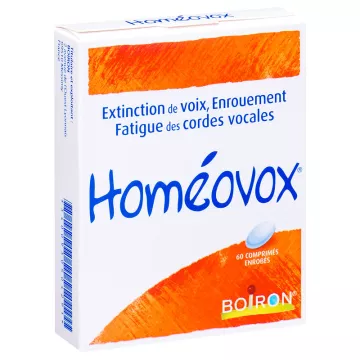
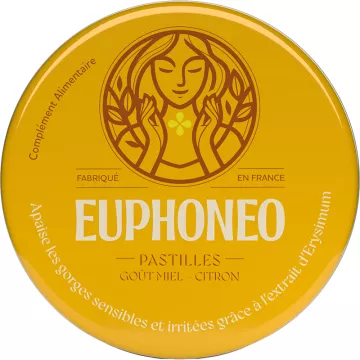
What is aphonia, and what causes it?
Aphonia refers to the partial or total inability to produce vocal sounds—the voice becomes hoarse, raspy, or completely silent. Aphonia is the severe stage of what is known as dysphonia—see also hoarseness and loss of voice for milder forms. Natural throat remedies are available in the store’s sore throat and throat-soothing product line.
- Infectious causes: Acute viral laryngitis is the most common cause—rhinovirus, influenza, or parainfluenza cause swelling of the vocal cords, which prevents them from vibrating normally—this occurs in the context of a cold or the flu — spontaneous recovery within 1 to 2 weeks with strict vocal rest — bacterial tonsillitis can also cause temporary loss of voice
- Vocal overexertion and fatigue: teachers, singers, public speakers, actors — excessive use without rest — the vocal cords swell due to repeated mechanical trauma and can no longer vibrate properly — vocal fatigue at the end of the day (voice “giving out”) is the first warning sign to take seriously
- Psychogenic aphonia: a functional blockage of vocal production without organic damage—triggered by intense stress, emotional shock, or chronic anxiety—the voice suddenly becomes silent, while coughing, laughter, and swallowing remain normal (distinctive sign)—speech therapy and psychological treatment
- Other causes: gastroesophageal reflux (acid irritating the vocal cords—characteristic morning hoarseness) — smoking and alcohol (chronic laryngeal inflammation—long-term risk of malignant lesions)—allergies with laryngeal inflammation—environmental irritants (pollution, chemicals)
How can you recover your voice quickly using natural remedies?
Recovery from aphonia rests on two pillars: complete vocal rest and intensive hydration. Vocal rest means not speaking—neither in a normal voice nor in a whisper (whispering spreads the vocal cords apart and, paradoxically, creates greater tension). Writing, using text-to-speech apps, or using hand gestures—anything is better than whispering. Drinking 1.5 to 2 L of lukewarm liquids hydrates the laryngeal mucous membranes and speeds up healing.
- Honey and lemon: 1 to 2 teaspoons of pure honey (let it melt slowly in your mouth for prolonged contact with the larynx) or in a warm herbal tea with lemon—a mild, mildly antibacterial, and soothing to the laryngeal mucous membranes—thyme or acacia honey for aphonia—not recommended for children under 1 year of age
- Propolis: in lozenges (direct contact with the larynx—documented antibacterial and anti-inflammatory properties) or as a mouth spray—one of the most effective natural active ingredients against ENT infections—effective against streptococci and the main pharyngeal bacteria
- Herbal teas and steaminhalations: thyme (antiseptic and antispasmodic thymol) — ginger and lemon (natural anti-inflammatories) — eucalyptus via steam inhalation (10 minutes, 2 to 3 times a day—moisturizes and soothes the vocal cords)—licorice (glycyrrhizin—soothes and provides local anti-inflammatory relief for the laryngeal mucous membranes)
- Appropriate diet during aphonia: lukewarm soups and broths (hydration + gentle nutrition) — avoid spicy and acidic foods (irritate the inflamed laryngeal mucosa) — avoid very cold beverages (causes laryngeal muscle contraction) — lozenges made with honey, propolis, marshmallow (lubricate and protect the mucosa)
Preventing hoarseness and protecting your voice in daily life
Good vocal hygiene prevents the vast majority of cases of aphonia. The basic rules are simple: never strain your voice in noisy environments (loud background music, bars, gyms) — project your voice using resonance and abdominal support, not by straining the larynx — stay hydrated regularly during prolonged voice use.
- For voice professionals: warm upyour voice before any intensive use (5 to 10 minutes of gentle vocal exercises, glissandos, lip trills)—take regular vocal breaks (10 minutes of silence for every 50 minutes of speech) — never speak with a dry throat — consult a speech-language pathologist for vocal techniques tailored to your professional activity
- Environment and lifestyle: humidify the air in your bedroom (40–60%—dry air from central heating dries out the vocal cords)—quit smoking (the leading cause of chronic laryngitis and a risk factor for cancer) — avoid alcohol before intensive voice use — manage stress (psychogenic aphonia — cardiac coherence, relaxation)
- Early warning signs to watch for: a hoarse voice at the end of the day, vocal fatigue during exertion, chronic morning throat clearing—these signs indicate overuse or irritation that must be addressed immediately through rest and hydration—do not wait until complete aphonia sets in before taking action
- Underlying treatment based on the cause: aphonia due to EGOS (hygiene and dietary guidelines + PPIs) — psychogenic aphonia (speech therapy + psychological support) — chronic laryngitis due to smoking (smoking cessation + laryngoscopy) — see loss of voice