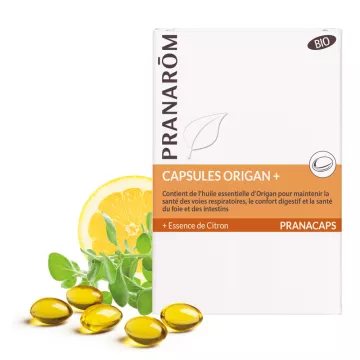
A virus is a noncellular biological entity—it is not a living cell but a molecular structure capable of replicating only inside a living host cell. Composed of genetic material (DNA or RNA) enclosed in a protein capsid and sometimes a lipid envelope, the virus has no metabolism of its own: it hijacks its host’s cellular machinery to produce copies of itself, and then often destroys the infected cell. It is this cellular destruction—and the immune response it triggers—that causes the symptoms of infection. Natural antiviral supplements are available in the store’s “Immunity” and “Immune Defense” product lines.
Viruses are classified based on their genetic material, structure, and modes of replication. The major families of viruses pathogenic to humans include RNA viruses (influenza virus, coronavirus, rhinovirus, norovirus, hepatitis C virus, HIV) and DNA viruses (herpesviruses —HSV, VZV, EBV, CMV—hepatitis B virus, HPV, adenovirus). Enveloped viruses (surrounded by a lipid bilayer) are more fragile in the environment but are more easily destroyed by alcohol-based antiseptics; non-enveloped viruses (norovirus, adenovirus, rotavirus) are more resistant and require washing with soap. See the viral infections page for clinical manifestations.
Transmission routes vary depending on the virus’s biology:
Prevention relies on handwashing (the gold standard for contact- and fecal-oral-transmitted viruses), vaccination for viruses for which a vaccine is available (influenza, hepatitis A and B, HPV, VZV, measles, COVID-19), and respiratory hygiene. See the Viral Conditions page for managing latency and reactivations.
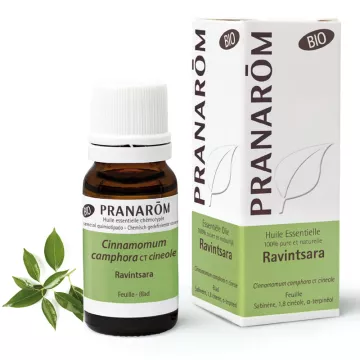
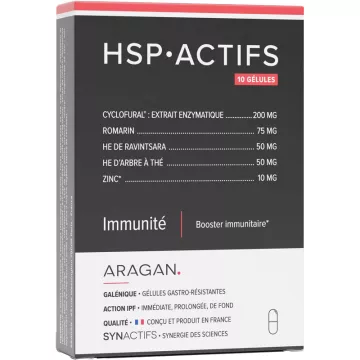
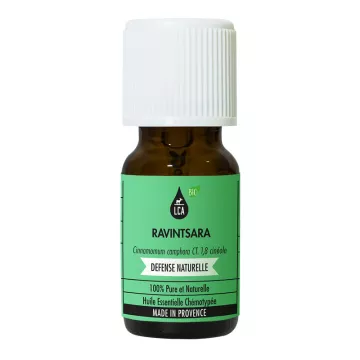
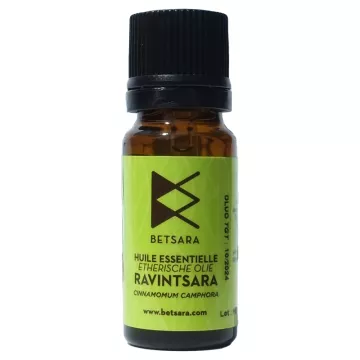
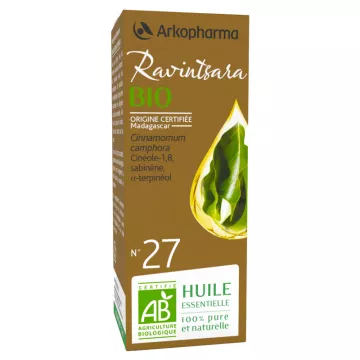
The immune system is the only mechanism capable of eliminating a virus—antiviral medications exist for only a few viruses (influenza, herpesviruses, HIV, HCV) and are available by prescription only. For common, mild viral infections, several natural supplements support the nonspecific antiviral immune response: vitamin C (500–1,000 mg/day — stimulates the synthesis of antiviral interferons and the activity of NK cells), vitamin D3 (1,000–2,000 IU/day—EFSA claim—reduces the frequency and severity of viral respiratory infections), zinc (10–15 mg/day — directly inhibits the replication of RNA viruses, a cofactor for cellular immunity),echinacea (EMA: well-established use — 2 to 4 weeks, Contraindications: autoimmune diseases and immunosuppressive medications) and ravintsara (essential oil of Cinnamomum camphora, cineole cutaneous type — a phytotherapeutic standard for respiratory antiviral support — diffused into the air or used in diluted form for massage; Contraindications: pregnancy and children under 6 years of age). Probiotics support intestinal mucosal immunity—70% of the immune system resides in the intestinal lymphoid tissue. See the infectious diseases page for comprehensive management.