What is the Herpesviridae family, and what are the human viruses?
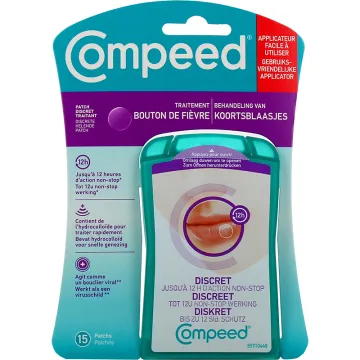
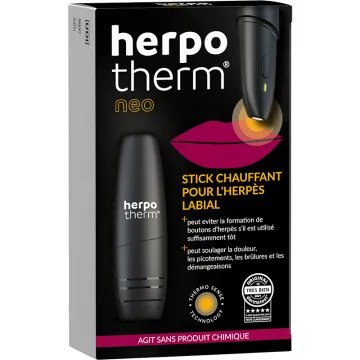
Herpesviruses form the Herpesviridae family, a group of large, enveloped, double-stranded DNA viruses that share a fundamental characteristic: their ability to establish lifelong latency in the infected host following primary infection and then to reactivate periodically. There are 8 known human herpesviruses, each with its own preferred target cells, clinical manifestations, and treatment options. For HSV-1 and HSV-2 (oral and genital herpes), see our dedicated pages on herpes and cold sores. Discover our herpes and cold sore products and our homeopathic formulas for herpes.
- The 8 human herpesviruses (HHV): HHV-1 (HSV-1 — oral herpes, cold sores) — HHV-2 (HSV-2 — genital herpes) — HHV-3 (VZV — chickenpox and shingles) — HHV-4 (EBV — mononucleosis, Burkitt’s lymphoma) — HHV-5 (CMV — cytomegalovirus — mononucleosis-like, severe in immunocompromised individuals and fetuses) — HHV-6 (infantile roseola — sudden rash in infants) — HHV-7 (roseola, often asymptomatic) — HHV-8 (Kaposi’s sarcoma in HIV-positive individuals)
- Common structure: large double-stranded DNA genome (150–200 kb) — icosahedral capsid + protein tegument + lipid envelope containing hemagglutinin — this envelope explains the fragility of herpesviruses in the environment (destroyed by detergents and 70% alcohol)
- Latency: shared key mechanism: after primary infection, the viral genome persists in specific host cells in a non-replicating state — HSV-1/HSV-2 → sensory ganglia — VZV → spinal ganglia — EBV → B lymphocytes — CMV → monocytes + hematopoietic stem cells — HHV-6 → can integrate into human chromosomes (chromosomal integration — present in 1% of the population)
- Reactivation: triggered by immunosuppression (HIV, organ transplantation, chemotherapy, prolonged corticosteroid therapy) — stress (cortisol → immunosuppression) — fatigue — UV (HSV-1) — intercurrent fever — hormonal fluctuations — aging (immunosenescence → shingles after age 60)
- Natural antiviral immunity: Cytotoxic CD8+ T lymphocytes are the primary defenders against herpes reactivation — vitamin D3, zinc, and selenium support their production and activity — an immune deficiency leads to more frequent and severe reactivations
Major clinical manifestations depending on the virus
- HSV-1 and HSV-2 (herpes simplex): cold sores (labial) — genital herpes — ocular herpes (keratitis) — herpetic encephalitis (medical emergency) — neonatal herpes (life-threatening emergency) — for details, see our pages on herpes and cold sores
- VZV (varicella-zoster virus): primary infection → chickenpox (generalized vesicular rash + itching + fever) — reactivation → shingles (painful, unilateral vesicular rash along a dermatomal band + postherpetic neuralgia) — see our pages on chickenpox and shingles
- EBV (Epstein-Barr virus): infectious mononucleosis (sore throat + fever + lymphadenopathy + splenomegaly + mononucleosis syndrome) — chronic reactivation → persistent fatigue (post-EBV syndrome) — association with certain lymphomas (Burkitt, Hodgkin) and nasopharyngeal carcinoma — 95% of adults are seropositive
- CMV (cytomegalovirus): mononucleosis-like in immunocompetent individuals — severe in immunocompromised individuals (pneumonia, retinitis, encephalitis) — dangerous if primary infection occurs during pregnancy (fetal neurosensory sequelae + hearing loss) — leading cause of congenital hearing loss of infectious origin
- HHV-6 (infantile roseola): sudden exanthem in infants — high fever for 3–5 days followed by a diffuse pink rash as the fever subsides — very common (95% of children infected before age 2) — generally benign — possible reactivation in immunocompromised patients (transplant recipients)
Available antivirals, vaccines, and treatments
- Viral DNA polymerase inhibitors: acyclovir (and the prodrug valacyclovir)—active against HSV-1, HSV-2, VZV — mechanism: nucleoside analogs phosphorylated by viral thymidine kinase (high selectivity) — ganciclovir and valganciclovir — active against CMV (and VZV) — foscarnet — active against HSV, VZV, resistant CMV
- VZV (chickenpox) vaccine: Varivax, Varilrix — live attenuated vaccine — 2 doses recommended — prevention of chickenpox in children and seronegative adults
- Shingles vaccine (Shingrix): adjuvanted subunit vaccine (non-live) — >90% protection against shingles — recommended for individuals aged 65 and older in France — 2 doses 2–6 months apart — visit our dedicated pages on shingles and chickenpox
- Vaccines in development: CMV—several candidates in Phase 2/3 trials (Moderna mRNA, recombinant protein)—a major concern for pregnant women and organ transplant recipients—HSV-1/HSV-2—no vaccine approved to date despite decades of research—new approach: mRNA vaccines targeting glycoprotein D in clinical trials
- Resistance: rare in immunocompetent individuals — more common in immunocompromised individuals — mechanism: mutation of viral thymidine kinase (resistance to acyclovir) → use of foscarnet or cidofovir
Natural immunity against herpesviruses and complementary support
- CD8+ T cells and latency control: CD8+ cytotoxic T cells continuously patrol the nerve ganglia where HSV-1 is latent and kill neurons that reactivate the virus—their effectiveness depends directly on vitamin D3 status (which activates their differentiation) and zinc (a thymosin cofactor)
- NK (Natural Killer) Cells: the first line of defense against viruses—they destroy cells infected with herpesviruses even before adaptive immunity is activated—activated by selenium + echinacea + vitamin D3—visit our immune defenses page
- Interferons and the innate antiviral response: herpesviruses have developed numerous mechanisms to evade type I interferons— propolis and quercetin naturally support interferon production and inhibit the replication of several herpesviruses in vitro
- Stress management and prevention of reactivations: Chronic cortisol is the primary immunosuppressant—it directly suppresses CD8+ T cells → paving the way for herpes reactivations—cardiac coherence + magnesium + rhodiola + 7–9 hours of sleep = a preventive arsenal against stress-related reactivations
- Immunocompromised individuals and herpesviruses: any severe or atypical herpes reactivation in an immunocompromised individual = medical emergency — IV antiviral treatment during hospitalization — long-term antiviral prophylaxis often recommended after transplantation — never use natural remedies alone as a substitute for antiviral treatment in these patients