0
Menu

Vaginal gel: moisturize the mucous membrane and maintain the natural balance of the vaginal flora every day

Filter
Number of products : 11
Sort
Sort
Close
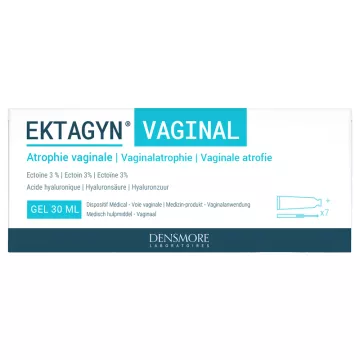
Ektagyn Vaginal Atrophy Gel Densmore 30 ml Ektagyn Vaginal Atrophy Gel Densmore 30 ml
€13.79
Shipped within 24h
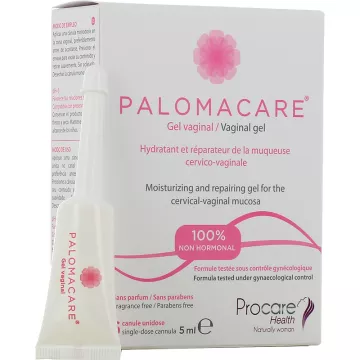
Palomacare Vaginal Gel, Single-Dose Applicators Palomacare Vaginal Gel, Single-Dose Applicators
€17.20
Shipped within 24h
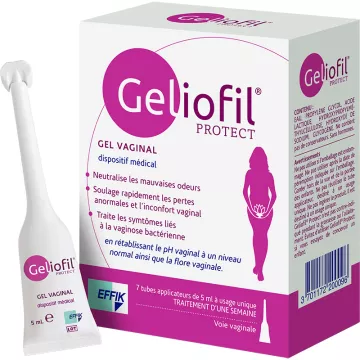
Geliofil Protect Vaginal Gel, 7 Doses, 5 ml Geliofil Protect Vaginal Gel, 7 Doses, 5 ml
€13.99
Shipped within 24h
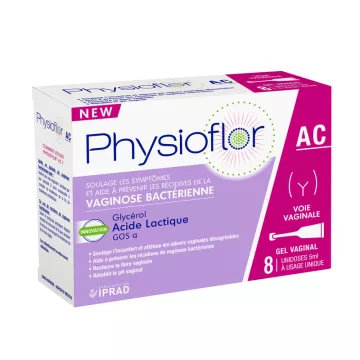
Physioflor Ac Vaginal Acidifying Gel, Single-Dose, 5 ml Physioflor Ac Vaginal Acidifying Gel, Single-Dose, 5 ml
€19.90
Shipped within 24h
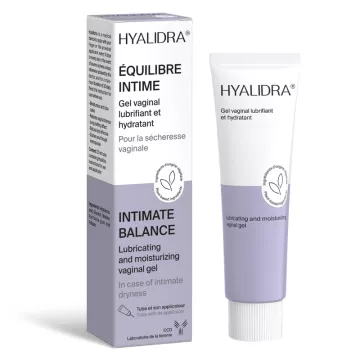
Hyalidra Vaginal Dryness Gel 30 ml Hyalidra Vaginal Dryness Gel 30 ml
€11.56
Shipped within 24h
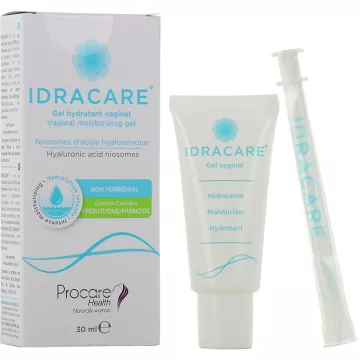
Idracare Moisturizing Vaginal Gel 30 ml Idracare Moisturizing Vaginal Gel 30 ml
€12.20
Shipped within 24h
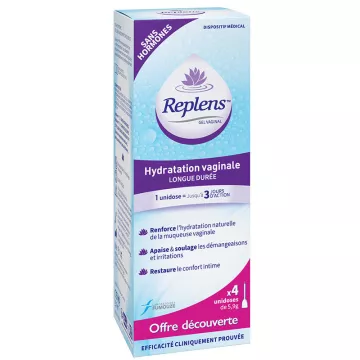
Replens Moisturizing Vaginal Gel Replens Moisturizing Vaginal Gel
box of 4 Box of 8
€15.60
Add to cart
Ships in 5-7 business days

What is vaginal gel, and what is it used for?

Vaginal gel is an intimate care product formulated to moisturize and lubricate the vaginal lining, which is often compromised by hormonal changes, medication, or certain life stages. It differs from personal lubricant in its moisturizing and protective properties, with a pH level specifically designed to respect the natural vaginal environment (3.8 to 4.5). Some formulas also contain active ingredients that support the balance of the vaginal flora, an essential protective barrier against pathogens.

In what situations is vaginal gel recommended?

There are several situations where using a vaginal gel is recommended:

  • Vaginal dryness caused by a drop in estrogen levels, which is common during menopause, after childbirth, or while breastfeeding.
  • Discomfort during sexual intercourse, used in addition to a lubricant if needed.
  • Persistent irritation or burning sensations without an identified infection.
  • Prevention of an imbalance in the vaginal flora after antibiotic treatment.
  • Dryness caused by certain medical treatments (chemotherapy, antiestrogens, pelvic radiation therapy).

In these situations, the gel provides rapid relief and can be used continuously, depending on the chosen formulation. Moisturizing gel and personal lubricant address complementary needs: the former restores moisture to the mucous membrane over time, while the latter reduces friction as needed. Understanding the difference between them helps you establish an intimate care routine tailored to your specific needs.

How do you choose a vaginal gel that’s right for your situation?

Not all gels are created equal. Here are a few essential criteria to check before purchasing:

  • Preferably water-based, oil-free, and silicone-free to preserve condoms.
  • A pH level suited to the vaginal area (between 3.8 and 4.5), as indicated on the label.
  • Free of artificial fragrances and dyes to minimize the risk of allergies.
  • Free of parabens and sulfates for sensitive skin.
  • Contains probiotics or lactic acid to strengthen the vaginal flora.

In cases of advanced menopause or severe dryness, a doctor’s advice may lead to a formula containing topical estrogen, which is more effective on atrophied mucous membranes.

Can vaginal gel prevent yeast infections?

Some gels contain antifungal or acidifying active ingredients that maintain a pH level unfavorable to the growth of yeasts such as Candida. This preventive action can be helpful for women prone to recurrent yeast infections, particularly after a course of antibiotics. These formulas are not a substitute for a prescription antifungal treatment in the case of an active infection, but they provide useful support between episodes. Lactobacillus-based probiotics, taken as a supplement, provide long-lasting reinforcement of this protection.

How can you use the vaginal gel safely?

Application is simple, but a few precautions are necessary:

  • Wash your hands before application to prevent bacterial transfer.
  • Apply the recommended amount to the vulva or internally, as directed in the package insert.
  • Check for compatibility with condoms: oil-based gels degrade latex.
  • Store the product away from heat and light, with the cap tightly closed.
  • Observe the expiration date and do not use the gel if it has been open for an extended period.

If you experience redness, severe itching, or a burning sensation after application, stop use immediately and consult a healthcare professional.

Vaginal Gel and Menopause: What Are the Specific Considerations?

During menopause, the drop in estrogen levels causes atrophy of the vaginal lining, making the area thinner, drier, and more vulnerable to micro-lesions. A moisturizing gel used regularly, several times a week, effectively complements local hormone therapy or can serve as a substitute for it in mild cases. The goal is to maintain the elasticity of the mucosa and preserve the protective flora—two key factors for long-term intimate comfort.