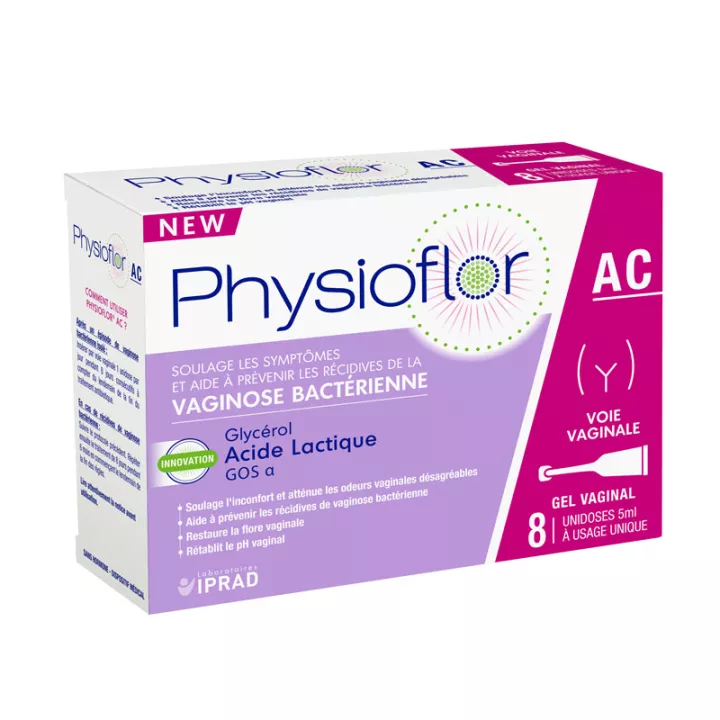
What is Physioflor AC 5-ml Single-Dose Vaginal Acidifying Gel used for?
Feeling discomfort? Unpleasant odors? Discover PHYSIOFLOR AC, a new vaginal acidifying gel that relieves the symptoms of bacterial vaginosis and helps prevent recurrence.
Physioflor AC single-dose 5 ml vaginal acidifying gel is indicated to quickly restore the vaginal microbiota. This vaginal gel relieves the symptoms of bacterial vaginosis and helps prevent recurrence by restoring the vaginal pH, hydrating the mucous membranes, and allowing beneficial bacteria to regain the upper hand.
The unique combination of lactic acid, glycerol, and Gos a-1.6 helps restore the vaginal pH, hydrate the mucous membranes, and stimulate the growth of beneficial lactobacilli without promoting the growth of pathogenic strains.
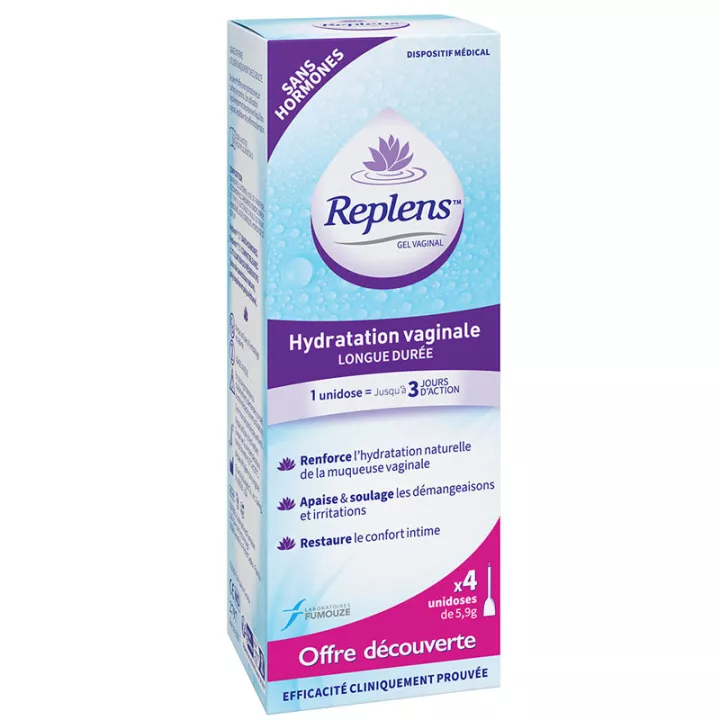
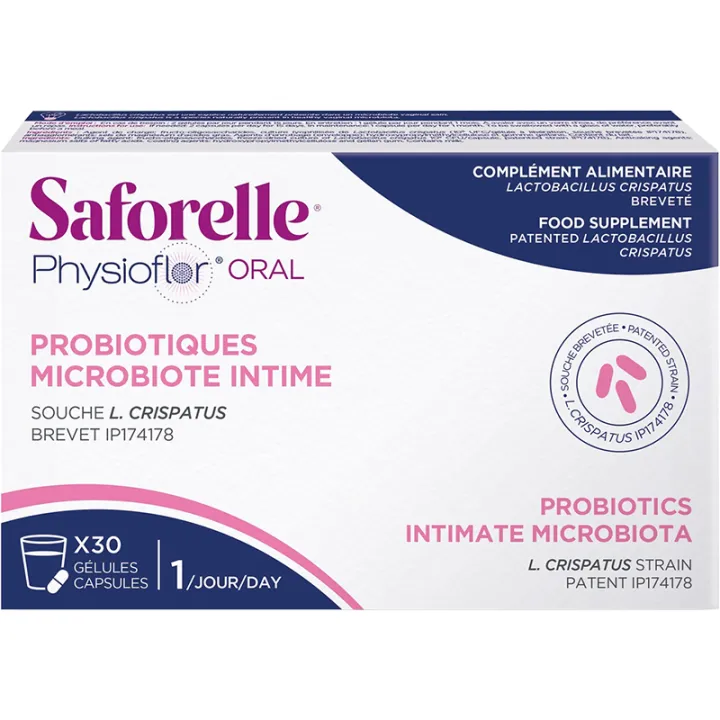
We also offer Puressentiel Organic Soothing Intimate Ointment at the best price in our online pharmacy.
How should you use this acidifying gel?
After a single episode of bacterial vaginosis: Apply 1 single-dose applicator vaginally once daily for 8 consecutive days, starting the day after the end of antibiotic treatment.
In case of a recurrence of bacterial vaginosis: Follow the protocol above. Then repeat the 8-day treatment for 6 months, starting the day after your period ends.
Wash your hands thoroughly before use.
- Hold the applicator firmly by its thick end. Shake it 4 times, with the applicator pointing downward, to ensure the contents are in the tip;
- Bend the tip of the applicator backward several times and snap it off by twisting. Do not use scissors or other tools to cut off the tip of the applicator.
- While sitting or lying on your back with your knees bent, hold the tube in your hand and gently insert the tip of the applicator into the vagina.
- Gently squeeze the thick end of the applicator 2–3 times to release the gel into the vagina.
- Remove the applicator while continuing to squeeze it, and dispose of it in the plastic waste container. Wash your hands after use.
Store this medical device away from light and heat, at a temperature below 25°C. Keep out of reach of children.
Share your opinion on the practical usage tips for Physioflor Ac 5 ml single-dose vaginal acidifying gel with our partner “Verified Reviews” after your purchase.
Precautions for Use
PHYSIOFLOR AC should not be used by girls who have not yet reached puberty or by women with a known allergy to any of its ingredients.
Side Effects: Side effects may include skin reactions such as erythema, swelling, a burning sensation, or itching at the application site.
The burning sensation may be due to the low pH (3.8) of PHYSIOFLOR AC, which causes increased vaginal sensitivity. This sensation may be mild or moderate after the start of treatment. A healthcare professional should be consulted if symptoms persist, worsen, or do not improve within 7 days of starting treatment.
What are its ingredients?
Aqua, Glycerol, Lactic Acid; Alpha-Glucan Oligosaccharides, Polyacrylamide, C13-14 Isoparaffin, Sodium Benzoate, Laureth-7, Potassium Sorbate.
Presentation - Packaging
Physioflor comes in a box containing 8 single-dose vials, each containing 5 ml.
Our professional advice and insights from natural health experts
Bacterial vaginosis, which affects 15–20% of women in France, results from a significant imbalance in the vaginal flora. Under normal conditions, the vaginal cavity is colonized by lactobacilli.
What causes bacterial vaginosis?
Bacterial vaginosis is caused by the overgrowth of microorganisms such as Gardnerella vaginalis or Prevotella. This overgrowth occurs at the expense of lactobacilli, which are responsible for maintaining the vagina’s acidity. This causes an increase in pH (above 5, whereas it is normally 4.5).
Bacterial vaginosis refers to a mild vaginal infection caused by an imbalance in the vaginal flora. It is very common and can be bothersome, but is not serious.
Vaginal discharge may be white or gray, light or heavy. It usually has a strong odor. The odor may become more pronounced after sexual intercourse and during menstruation. Itching is rare.