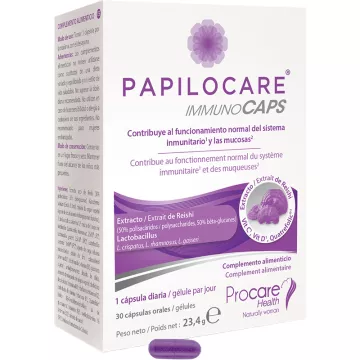
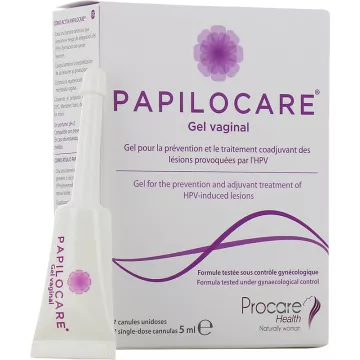
The vaginal flora refers to the vaginal microbiota—the collection of microorganisms residing in the vagina. Composed of 90% lactobacilli that produce lactic acid, it maintains an acidic pH (3.8–4.5), which serves as the first line of defense against pathogens. Its balance is key to daily intimate comfort and gynecological health. Discover our line of intimate care products and vaginal gels.
What is the vaginal microbiome?
The vaginal microbiota is one of the body’s most unique microbiomes—it is dominated by a single bacterial genus: Lactobacillus. The four main species are L. crispatus (the most protective), L. iners, L. gasseri, and L. jensenii. These bacteria produce lactic acid and hydrogen peroxide, creating an environment hostile to fungi (Candida) and the pathogenic bacteria responsible for bacterial vaginosis. The diversity of the vaginal microbiota is paradoxical in this context: less diversity (dominance of lactobacilli) = better vaginal health.
What signs indicate an imbalance in the vaginal flora?
Vaginal dysbiosis manifests with characteristic signs depending on the causative agent.
- Bacterial vaginosis: homogeneous gray-white discharge, fishy odor (volatile amines produced by anaerobic bacteria), pH > 4.5 — see vaginal infections
- Vaginal yeast infection (Candida albicans): thick, cottage cheese-like white discharge, intense itching, burning — pH remains acidic (< 4.5)
- Simple irritation (without infection): dryness, mild itching—often related to inappropriate hygiene products, antibiotic treatments, or hormonal changes
- A strong odor or unusual discharge warrants medical consultation to distinguish between bacterial vaginosis, a yeast infection, or a sexually transmitted infection
What factors disrupt the vaginal flora?
Many everyday or medical factors can disrupt the vaginal microbiota.
- Antibiotics: eliminate lactobacilli along with pathogens — high risk of yeast infection or post-antibiotic vaginosis
- Hormonal changes: low estrogen levels (menopause, postpartum, microprogestin pill) reduce the glycogen available to lactobacilli—weakening the microbiota
- Excessive or inappropriate hygiene: scented soaps, douches, intimate antiseptics—alter the pH and the protective flora
- Sexual intercourse (contact with external agents), tight synthetic clothing (heat and moisture promote Candida growth), menstruation (temporarily less acidic pH)
- Stress and immunosuppression: reduce the microbiota’s resistance to opportunistic pathogens
Intimate probiotics: how to restore balance to the flora?
Lactobacillus-based probiotics are the primary tool for supporting the intimate flora available in drugstores.
- Oral administration: Lactobacillus rhamnosus GR-1 + L. reuteri RC-14 — the most well-documented combination for vaginal flora when taken orally — vaginal colonization via the intestinal tract → perineum
- Local vaginal administration (vaginal suppositories, capsules): direct action at the site — L. crispatus and L. gasseri to restore lactobacilli dominance
- Use in conjunction with medical treatment for yeast infections or bacterial vaginosis—probiotics do not replace treatment but support the restoration of balance afterward
- Oralprobiotics and lactic acid bacteria: a 1-month course following antibiotic therapy is recommended
Intimate hygiene: what are the best practices?
Daily intimate hygiene is the most direct preventive measure for preserving the vaginal flora.
- Clean the vulva (not the vagina) just once a day with an intimate wash that has an acidic pH (3.5–4.5)—the vagina is self-cleaning
- Avoid vaginal douches, scented soaps, intimate deodorants, and alcohol-based wipes—they disrupt the pH and the protective flora
- Wear breathable cotton underwear—the heat and moisture from synthetic fabrics promote the growth of Candida
- Menstrual products: Change tampons and pads every 4 to 6 hours—a moist environment promotes dysbiosis
- See our line of products for vaginal conditions and panty liners
Intimate flora and specific life events?
Certain life stages require extra attention to your intimate flora.
- Pregnancy: The vaginal flora naturally shifts toward an increased dominance of L. crispatus —which is beneficial for the infant during vaginal delivery. Dysbiosis during pregnancy can increase the risk of preterm birth—gynecological monitoring is essential
- Menopause: The drop in estrogen leads to vaginal atrophy and frequent dysbiosis—vaginal moisturizing gels and topical probiotics help maintain comfort
- Post-antibiotic therapy: the period of highest risk for vaginal yeast infections—oral and topical probiotics starting on the first day of antibiotic treatment