Vaginal dryness is a lack of natural lubrication in the vaginal walls, causing burning, itching, and discomfort during sexual intercourse. Although it is more common after menopause, it can affect women of any age—particularly while breastfeeding, while taking certain medications, or during periods of prolonged stress. This condition, which is still often overlooked, significantly impairs quality of life and requires prompt, appropriate treatment.
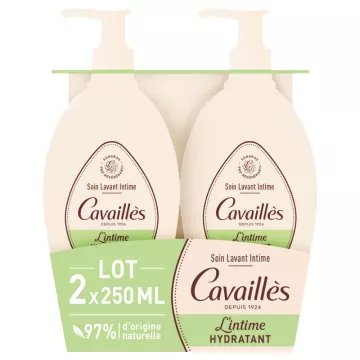
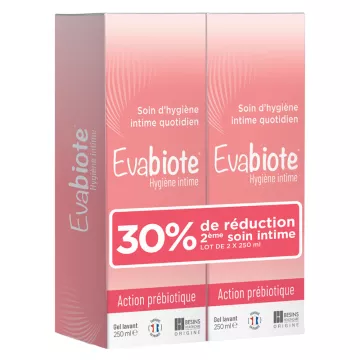
A decrease in estrogen is the main cause: it thins and dries out the vaginal lining, reducing its ability to produce lubrication. Certain medications exacerbate this condition—including antihistamines, antidepressants, and cancer treatments. Stress and anxiety inhibit the body’s natural lubrication response. External irritants—such as scented soaps, bubble baths, and harsh feminine hygiene products—disrupt the balance of the vaginal flora and worsen dryness.
Symptoms vary in severity depending on the woman and the underlying causes. The most common symptoms include persistent itching and irritation, a burning sensation at rest or during urination, pain or discomfort during sexual intercourse, and sometimes slight postcoital bleeding due to microtears in the weakened vaginal walls. These symptoms may develop gradually or appear suddenly following a hormonal change.
The diagnosis is based primarily on the symptoms described by the patient. A pelvic exam allows for an assessment of the condition of the vaginal mucosa —appearance, elasticity, and trophicity—and helps rule out any associated infection. Hormone tests may be ordered to assess estrogen levels, particularly during perimenopause or after treatment that may interfere with hormone levels. Speaking openly with your doctor about these symptoms is the first step toward receiving effective treatment.
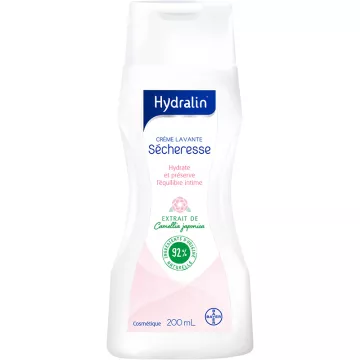
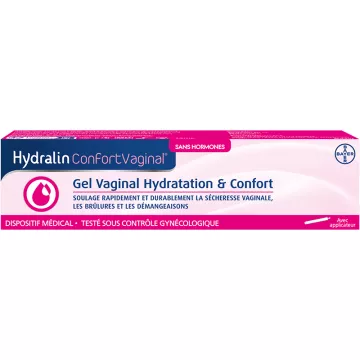
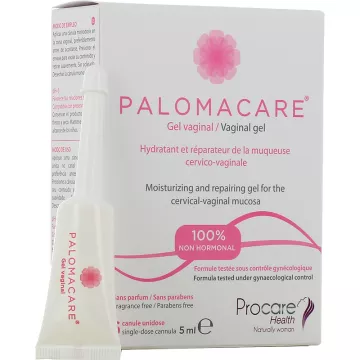
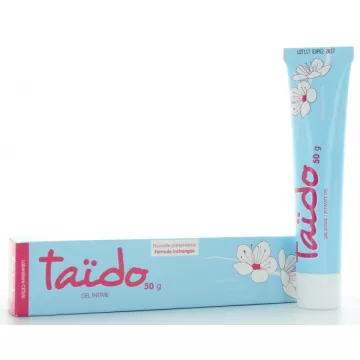
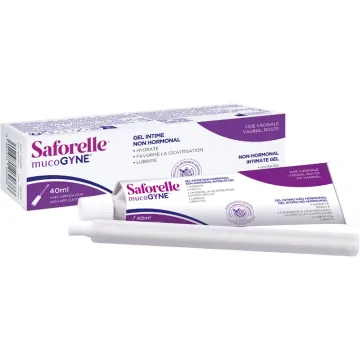
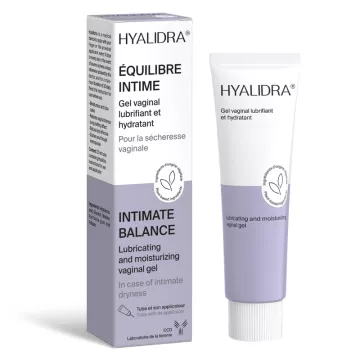
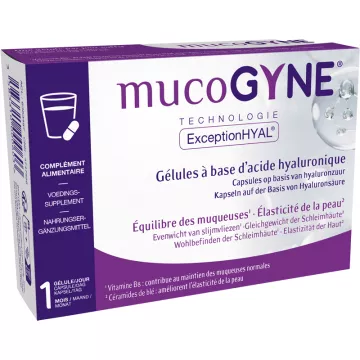
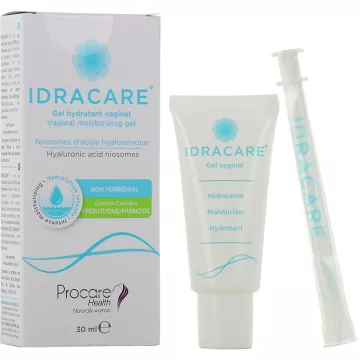
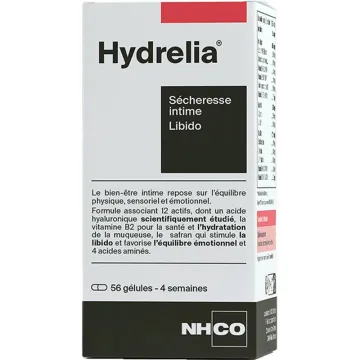
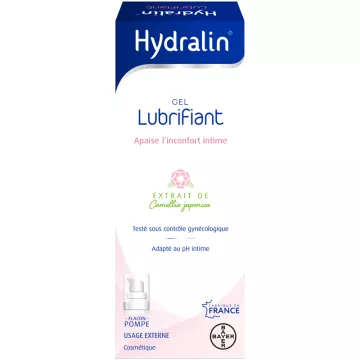
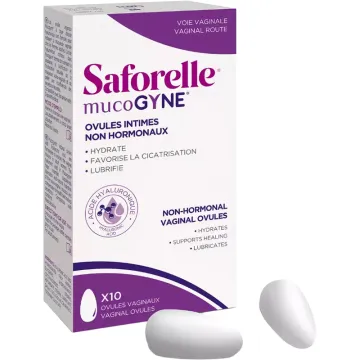
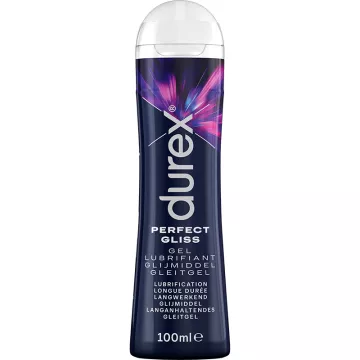
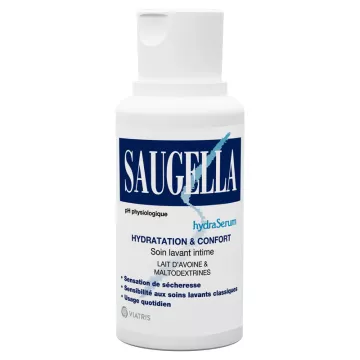
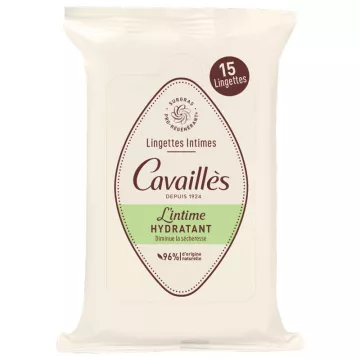
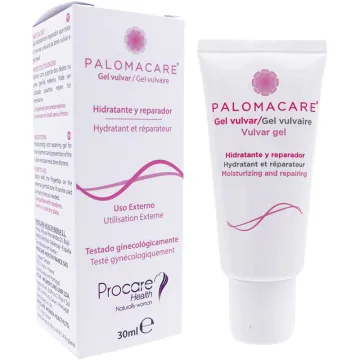
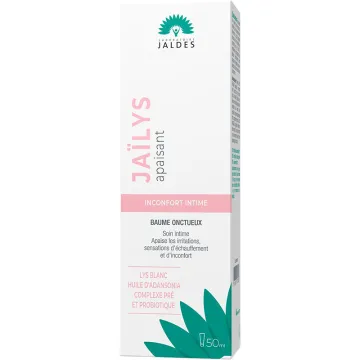
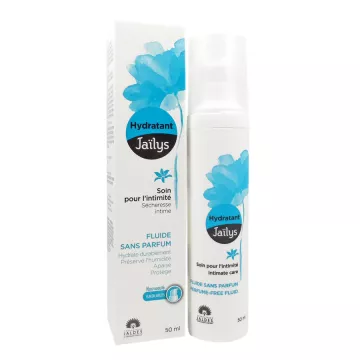
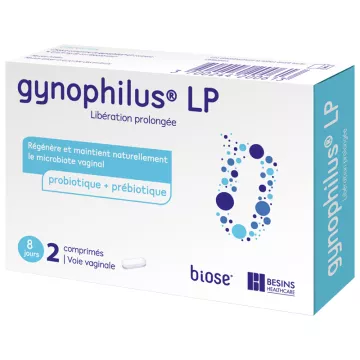
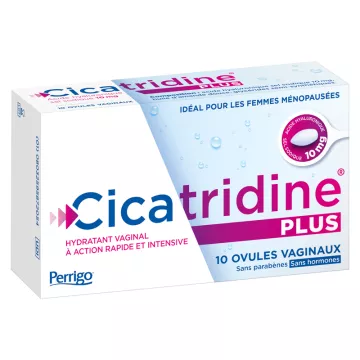
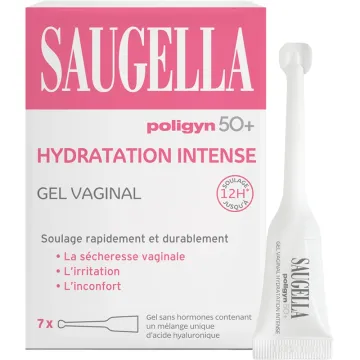
Several approaches exist depending on the severity and cause. Water-based lubricants, used before intercourse, provide immediate relief without disrupting the vaginal flora. Vaginal moisturizers, applied regularly several times a week, maintain long-lasting baseline moisture.Sodium hyaluronate provides deep and long-lasting hydration in specialized formulations. In cases of confirmed estrogen deficiency, local vaginal estrogen (creams, rings, tablets) is prescribed by a doctor.
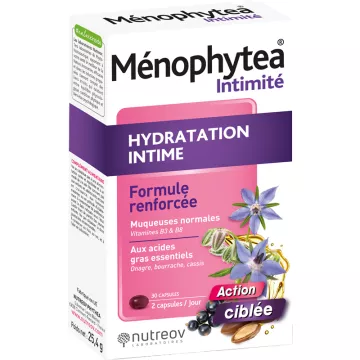
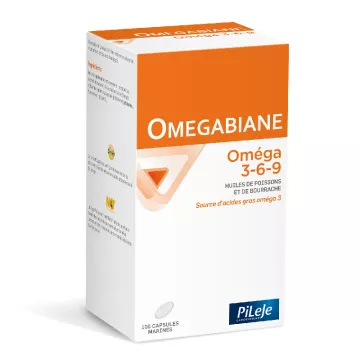
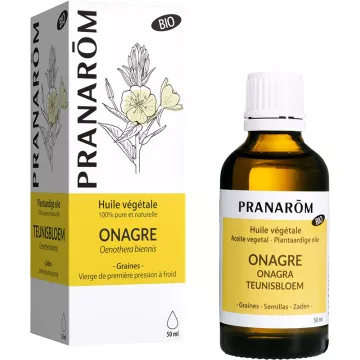
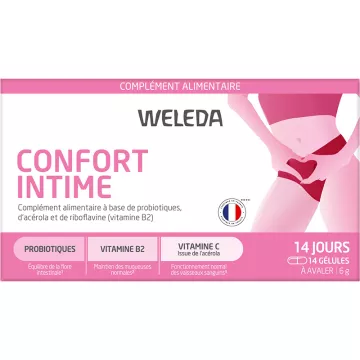
Certain natural active ingredients offer effective complementary support. Evening primrose oil, rich in gamma-linolenic acid, supports the hydration of the mucous membranes from the inside. Borage, which has similar properties and an even higher concentration of omega-6, is often combined with evening primrose for a synergistic effect. Omega-3s contribute to the suppleness and hydration of mucous membranes. These supplements provide long-term benefits and complement topical treatments without any common contraindications.
After menopause, the drop in estrogen leads to progressive atrophy of the vaginal lining: the walls become thinner, lose their elasticity, and their ability to produce natural lubrication. This condition, known as vulvovaginal atrophy, affects more than 50% of postmenopausal women and worsens over time if left untreated. Unlike hot flashes, which subside, vaginal dryness tends to intensify if left untreated.
Seek medical advice as soon as vaginal dryness begins to interfere with daily life or intimacy, even if the symptoms seem mild. Medical attention is essential in cases of severe pain during intercourse, bleeding, or signs ofa relatedvaginal infection. Don’t wait for symptoms to worsen: simple and effective solutions are available at every stage, and early treatment helps maintain long-term comfort and quality of life.