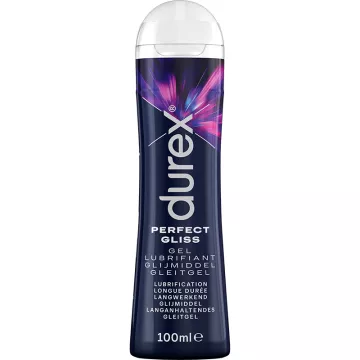
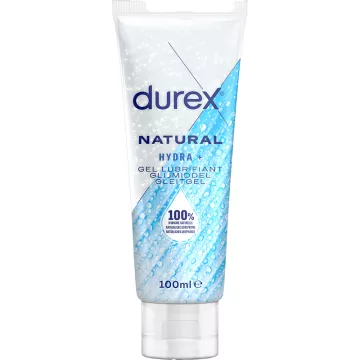
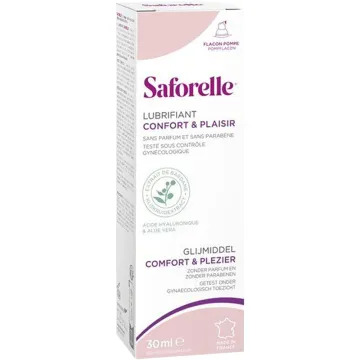
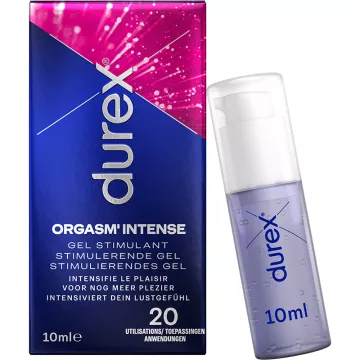
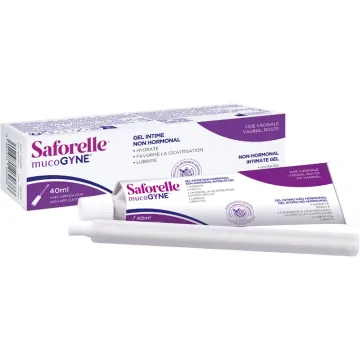
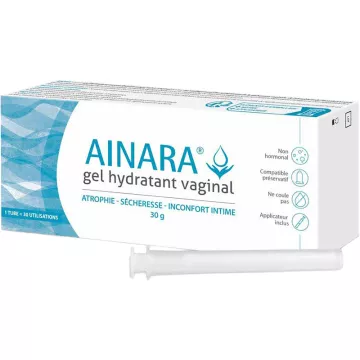
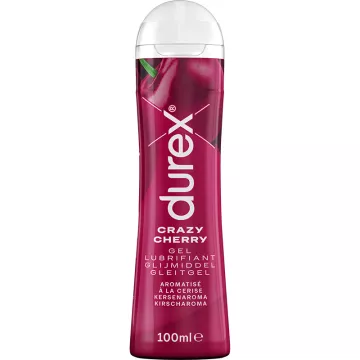
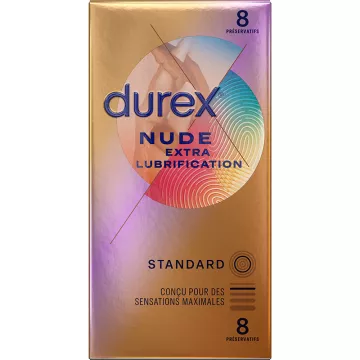
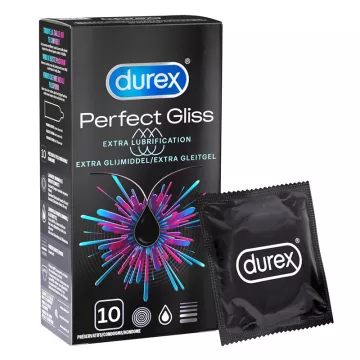
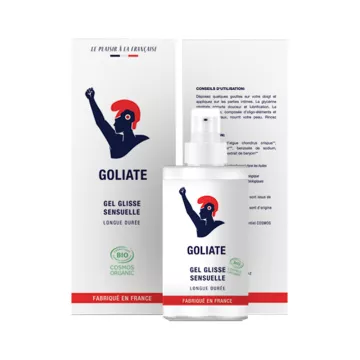
Intimate lubricants differ based on their formulation:
Aloe vera (stabilized fresh leaf gel) is the most well-documented base ingredient for natural intimate lubricants. Its polysaccharides (acemannan) form a viscoelastic film that mimics natural vaginal secretions without disrupting the pH. Its anthraquinones and phytosterols reduce irritation of the vaginal mucosa—particularly beneficial in cases of postmenopausal dryness. Its mild antimicrobial activity reduces certain opportunistic pathogens without disrupting protective Lactobacillus.
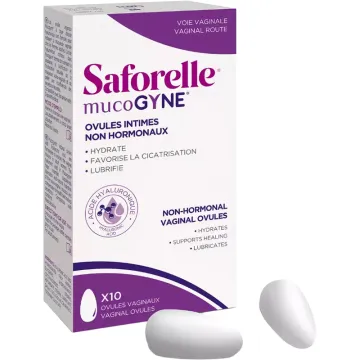
High-molecular-weighthyaluronic acid (HA) is the most effective moisturizing ingredient for water-based lubricants: 1 g of HA can hold up to 6 liters of water—a unique hygroscopic property that maintains mucosal hydration long after application. HA promotes the proliferation of vaginal epithelial cells, accelerating the repair of micro-lesions caused by dryness. Clinical studies on HA-based vaginal gels confirm a significant improvement in dryness during perimenopause.
Two active ingredients for lubricants designed for sensitive mucous membranes:
Lactic acid is the most physiologically natural regulator of vaginal pH—produced naturally by vaginal Lactobacillus. Its inclusion in lubricants maintains the acidic vaginal pH (3.8 to 4.5), which protects against bacterial vaginosis and Candida overgrowth. Conventional lubricants often have a pH of 7 (neutral)—which is alkalizing and can potentially disrupt the microbiota with frequent use. Opt for lubricants formulated with a pH of 3.8–4.5 and lactic acid for regular use.
Vaginal probiotics (Lactobacillus rhamnosus, L. reuteri, L. crispatus) strengthen the protective bacterial flora that acidifies the vaginal environment and reduces the risk of bacterial vaginosis and recurrent yeast infections—meta-analyses confirm their effectiveness in preventing recurrences. In combination with vaginal hyaluronic acid (suppositories, gels), they constitute the gold-standard integrative approach for chronic vaginal dryness: HA repairs the vaginal epithelium while probiotics restore the microbiome balance.