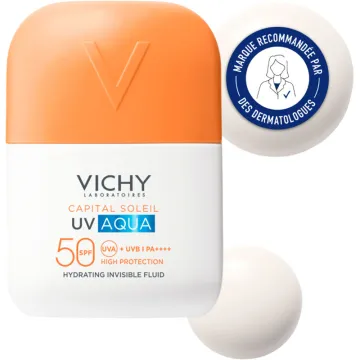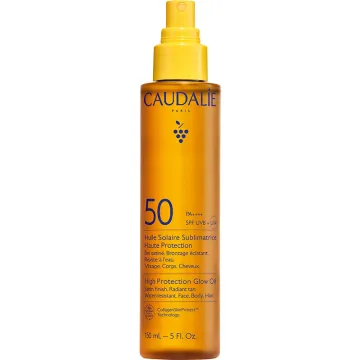
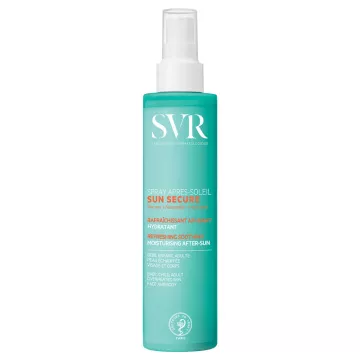
Sunburn is a skin burn caused by excessive exposure to the sun’s ultraviolet rays —primarily UVB rays, which cause immediate redness, and UVA rays, which contribute to skin aging and deep DNA damage. The inflammatory reaction appears 4 to 6 hours after exposure, peaks at 24 hours, and subsides in 3 to 7 days, depending on the severity. Fair skin types (I and II), children, and people taking photosensitizing medications (cyclines, NSAIDs, certain diuretics) are particularly at risk. A healthy skin barrier helps limit the severity. See also the sunburn page for after-sun care.
The sun protection factor (SPF) should be chosen based on your skin type and level of sun exposure:
Reapply every 2 hours and after swimming or heavy sweating.
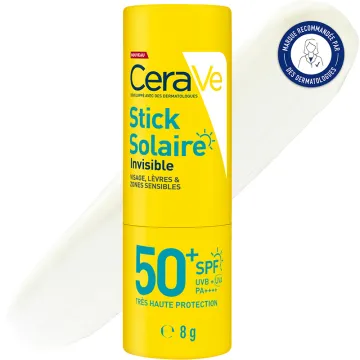
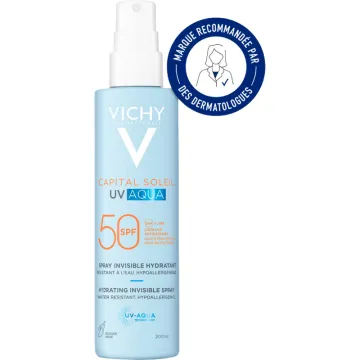
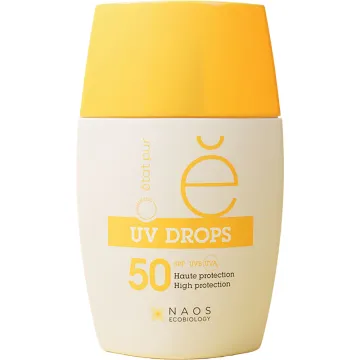
Several leading dermo-cosmetic lines meet this need. High-protection mineral sunscreens (zinc oxide, titanium dioxide) are particularly suitable for sensitive, atopic, young, or reactive skin. Leading brands: Anthelios by La Roche-Posay, Photoderm by Bioderma, Photoderm Mineral by Uriage, Spray Solaire by Avène, Bariésun by Uriage, Solar Expertise by Vichy. For athletes and prolonged outdoor activities: highly water-resistant formulas. For blemish-prone skin: non-comedogenic gel-cream formulas. For faces exposed to the sun daily: SPF 30–50 sunscreen under makeup, ideally a formula with a matte finish.
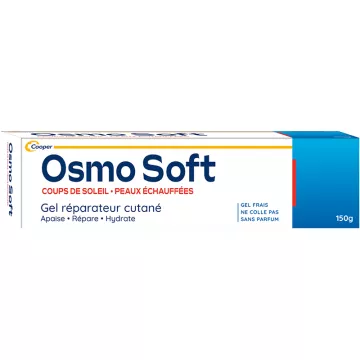
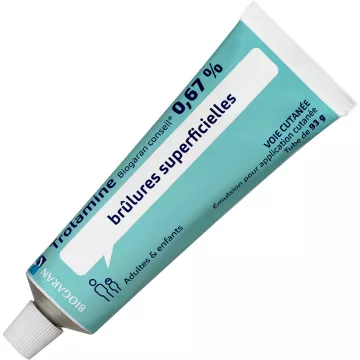
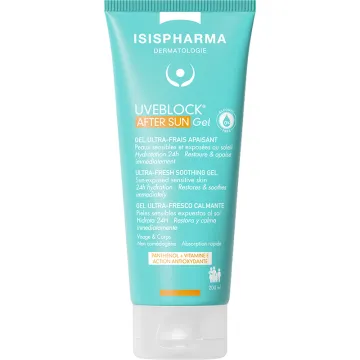
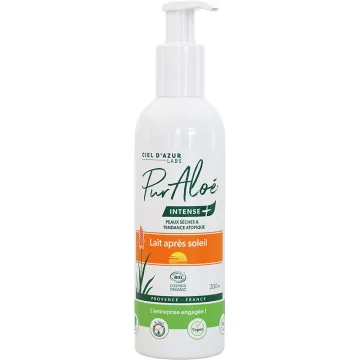
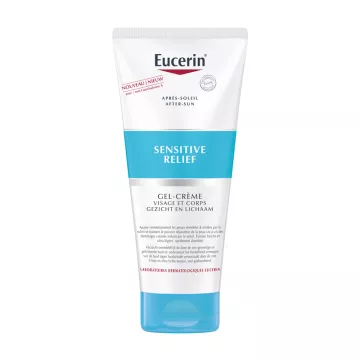
Upon returning from sun exposure, several immediate steps can limit the severity of sunburn. Take a lukewarm to cool shower (never ice-cold) for 5 to 10 minutes. Spray on a soothing thermal water mist (Avène, La Roche-Posay, Uriage). Apply a generous amount of after-sun gel or lotion to all exposed areas. Increase your fluid intake—1.5 to 2 liters in the hours that follow. Take an oral pain reliever if you experience pain (acetaminophen or ibuprofen for its anti-inflammatory effect). Avoid further sun exposure for 4 to 7 days. Apply a lipid-replenishing balm containing panthenol or Centella asiatica twice a day for 5 to 7 days.
Several dermo-cosmetic active ingredients provide immediate relief:
Top-rated after-sun brands: Biafine, Cicaplast B5+, Cicalfate+ by Avène, Bepanthen, Bioderma After-Sun, Lipikar Baume AP+.
Children are particularly vulnerable to sunburn and its long-term consequences. No direct sun exposure before 6 months of age. Apply mineral sunscreen with SPF 50+ to all exposed areas, reapplying every 2 hours. Wear UV-protective clothing (UPF 50+) with long sleeves, a wide-brimmed hat, and appropriate sunglasses. Avoid sun exposure between 11 a.m. and 4 p.m. Stay hydrated by drinking frequently. Drink plenty of fluids even if not thirsty. Watch for the first signs of heatstroke (redness, drowsiness, irritability, vomiting)—provide immediate shade and have the child drink water. Support skin immunity with age-appropriate supplements before summer (carotenoids in capsules or through diet).
Repeated sunburns over a lifetime have serious long-term consequences. There is a documented increased risk of skin cancer—melanoma (the most dangerous), basal cell carcinoma, and squamous cell carcinoma. Accelerated skin aging (photoaging) with wrinkles, pigment spots, loss of elasticity, and capillary fragility. Persistent post-inflammatory hyperpigmentation on sunburned areas. Regular dermatological checkups are recommended for people with fair skin, a history of frequent sun exposure, or who have had severe sunburns before age 18. Take oral antioxidants (vitamin C, vitamin E, selenium, carotenoids) in preparation for summer.
Seek immediate medical attention if: extensive sunburn (more than 10% of the body surface area), numerous blisters (second-degree), fever, chills, nausea, dizziness (heat exhaustion associated with dehydration), signs of infection in blisters (widespread redness, pus, fever), sunburn in children under 3 years of age, or a photosensitizing condition (lupus, medications). For severe heatstroke with impaired consciousness: go to the emergency room immediately. Any changing pigmented lesion (size, color, border, asymmetry according to the ABCDE rule) following a history of multiple sunburns warrants prompt dermatological evaluation.