What is an expectorant, and how does it affect the bronchi?
An expectorant is a medication or natural substance that helps clear mucus accumulated in the airways by thinning it. It works through two complementary mechanisms: mucolysis (the breakdown of the disulfide bonds in glycoproteins that give mucus its viscosity) and the stimulation of bronchial secretory cells, which produce a more fluid secretion. Less viscous mucus is more easily transported upward by the bronchial cilia and expelled through coughing. Products for productive coughs and respiratory health are available in the store.
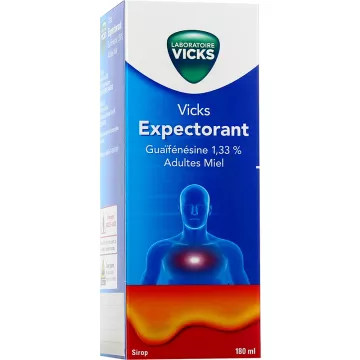
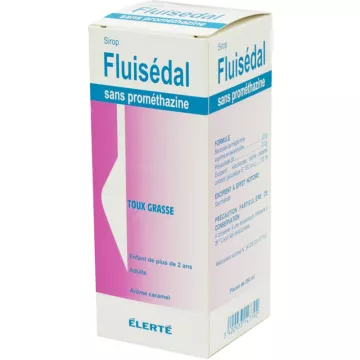
- Guaifenesin: the most well-documented standard expectorant—increases the volume of bronchial secretions and reduces their viscosity—found in many cough syrups for productive coughs—should be taken with a large glass of water to maximize the mucolytic effect
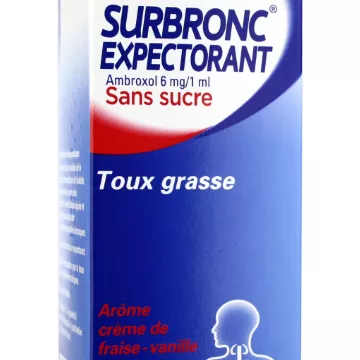
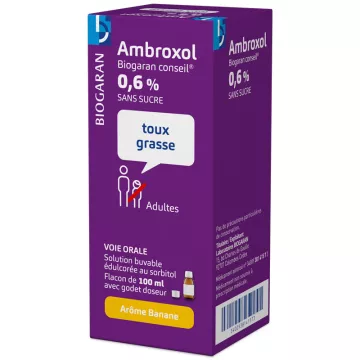
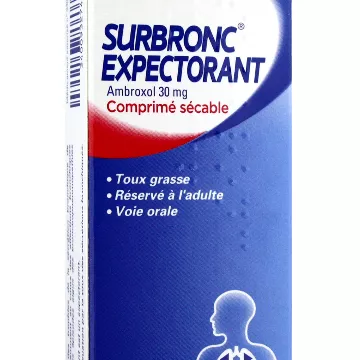
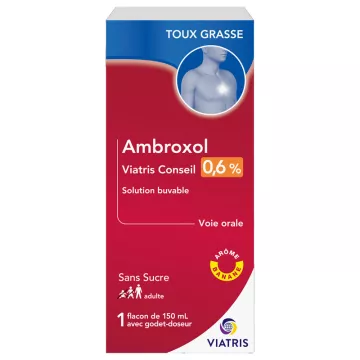
- Ambroxol and bromhexine: powerful mucolytics—ambroxol also stimulates the production of pulmonary surfactant (which facilitates gas exchange)—effective for acute and chronic bronchitis —available in syrups, tablets, and inhalation solutions
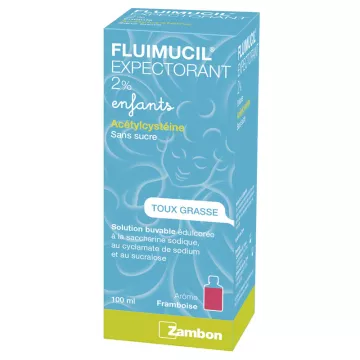
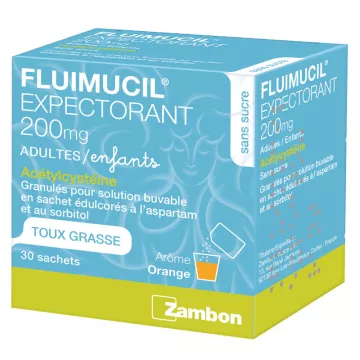
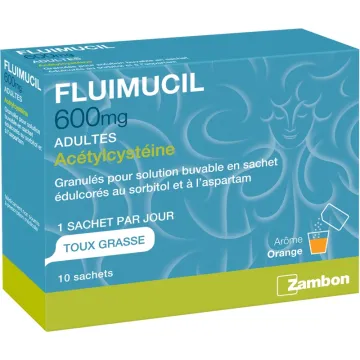
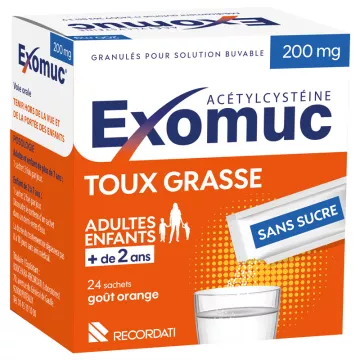
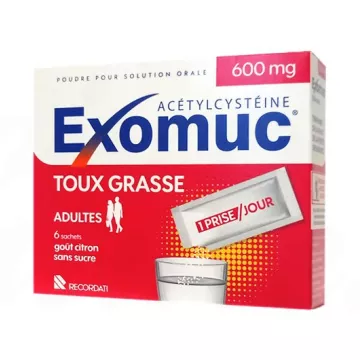
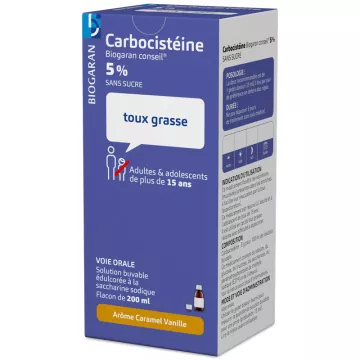
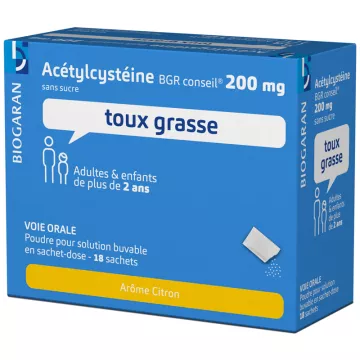
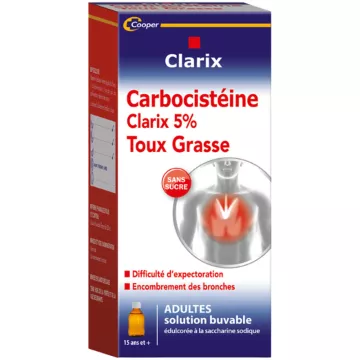
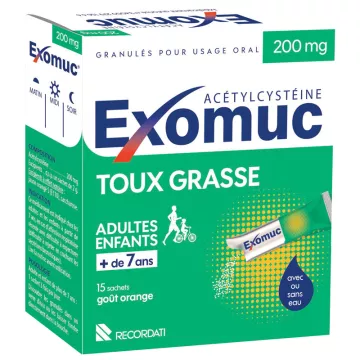
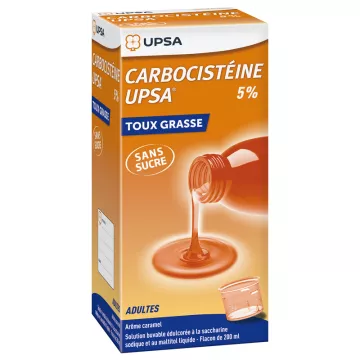
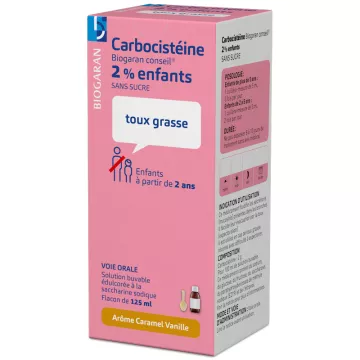
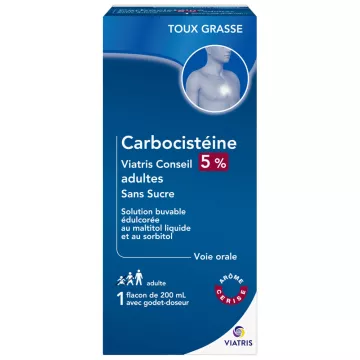
- Carbocysteine and acetylcysteine (NAC): pure mucolytic agents — break the disulfide bonds in mucins — NAC also has documented antioxidant properties on the bronchial epithelium — particularly useful in chronic conditions involving hypersecretion
- When to use an expectorant vs. a cough suppressant: expectorant = productive, wet cough (mucus needs to be cleared) — cough suppressant = dry, non-productive cough (reflex without mucus) — never combine the two (the cough suppressant would block the clearance of mucus liquefied by the expectorant) — see dry cough and cough
What natural expectorants can be used alongside treatment?
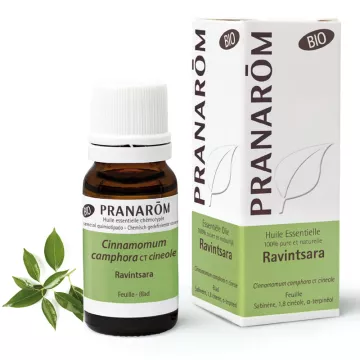
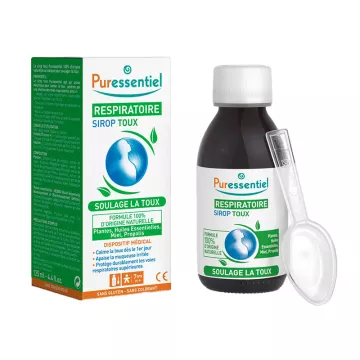
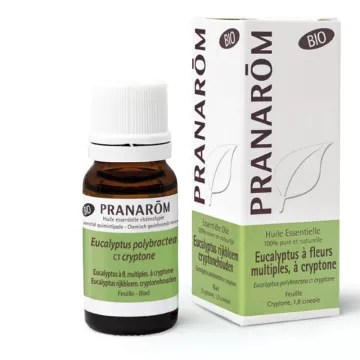
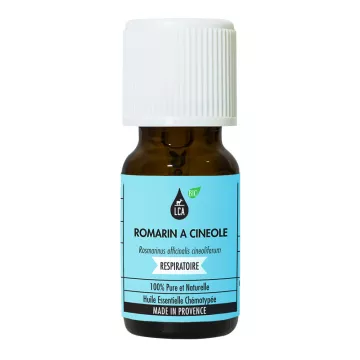
Several plants and natural substances have well-documented expectorant properties. Thyme (Thymus vulgaris) is the go-to herbal expectorant: its essential oil (thymol, carvacrol) has mucolytic, mild bronchodilator, and respiratory antiseptic—as an infusion (2 g of dried thyme per 200 mL of boiling water, steeped for 10 minutes, 3 cups/day) or as a standardized extract.Eucalyptus (1,8-cineole) has mucolytic and anti-inflammatory effects on the bronchi—effective when inhaled (a few drops of essential oil in hot water) or as a syrup.
- Honey: expectorant and soothing to the respiratory mucous membranes—1 to 2 teaspoons in a warm thyme or eucalyptus herbal tea optimizes the effect—mild antibacterial properties (Manuka honey with MGO ≥ 250 for the best-documented antibacterial properties) — contraindicated for children under 1 year of age (risk of infant botulism)
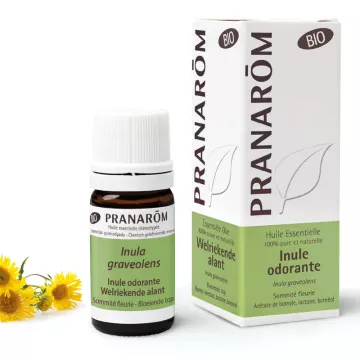
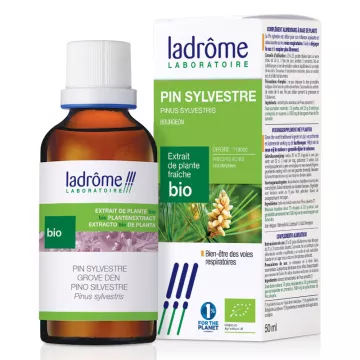
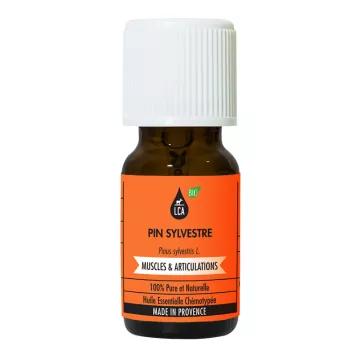
- Steam inhalation: hot water alone (steam moisturizes the mucous membranes and mechanically thins mucus) — with thyme, eucalyptus, or Scots pine essential oils — 10 minutes, 2 to 3 times a day — use caution with children (maintain a safe distance; do not use boiling water)
- Hydration—the primary natural expectorant: drinking 1.5 to 2 L of water per day is the simplest and most effective way to thin bronchial secretions — Hot herbal teas and broths combine hydration with a mucolytic steam effect — Alcohol is contraindicated (it dehydrates)
- Lemon: its citric acid slightly stimulates saliva production and respiratory secretions — combined with warm honey, a classic and effective combination for soothing the throat and promoting expectoration
Precautions, Contraindications, and Duration of Use
Expectorants are generally well tolerated, but some precautions are necessary. Children under 2 years of age should not be given medicinal expectorants without medical advice—infants cannot effectively control their cough to clear thinned mucus, which can worsen congestion. Pregnant women should consult a healthcare provider before taking any medication, particularly synthetic mucolytics.
- Recommended duration of use: 7 to 10 days maximum for self-medication—if symptoms persist beyond this, consult a doctor to rule out bacterial bronchitis, pneumonia, or an underlying condition—chronic bronchitis and COPD require specialized medical care to manage hypersecretion
- Drug interactions: Do not combine with a cough suppressant (counterproductive)—may be combined with a nasal decongestant or an antipyretic (acetaminophen)—avoid first-generation antihistamines (they dry out the mucous membranes and thicken mucus) — consult your pharmacist if in doubt
- Warning signs requiring medical consultation: bloody sputum — persistent fever > 38.5 °C — shortness of breath at rest — chest pain — no improvement after 7 days — these signs may indicate a bacterial superinfection or a pulmonary condition requiring specific treatment