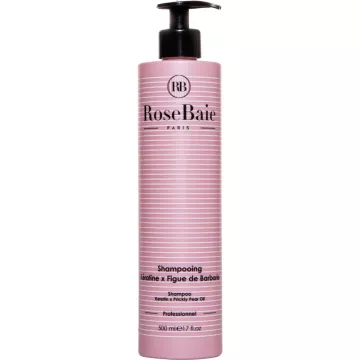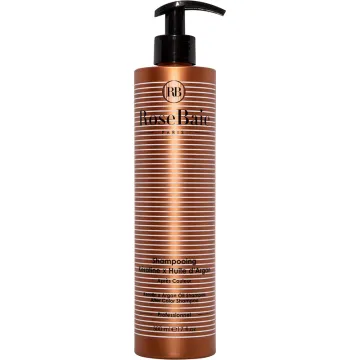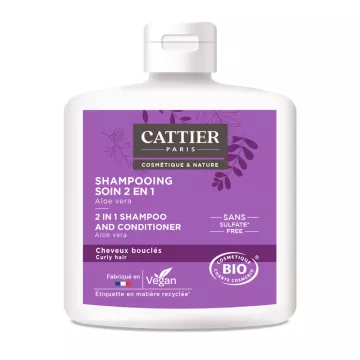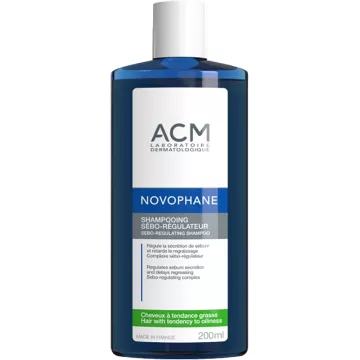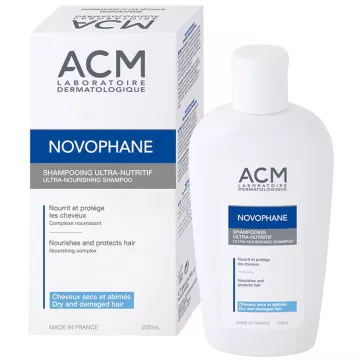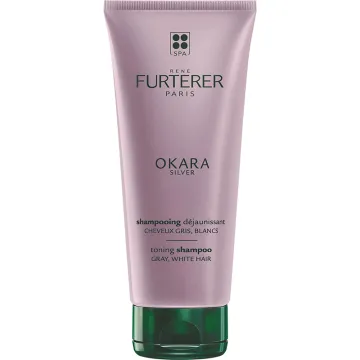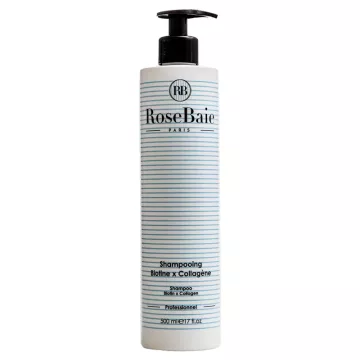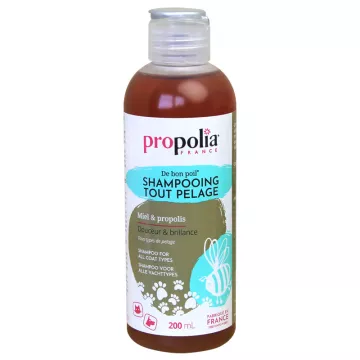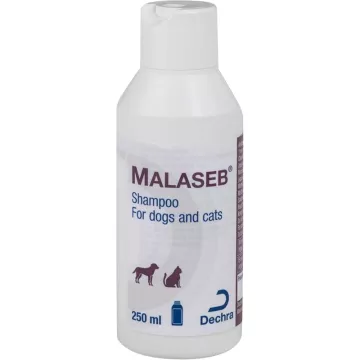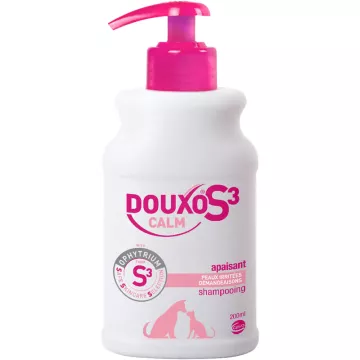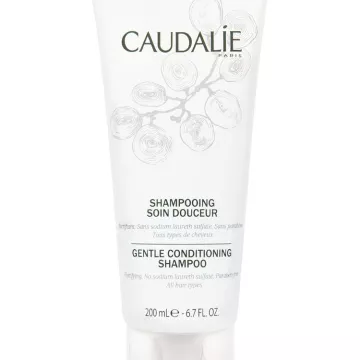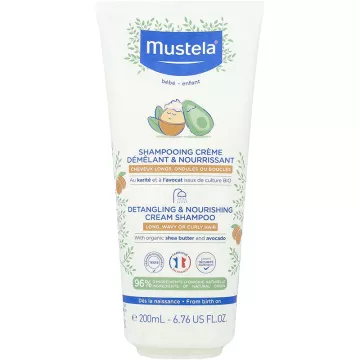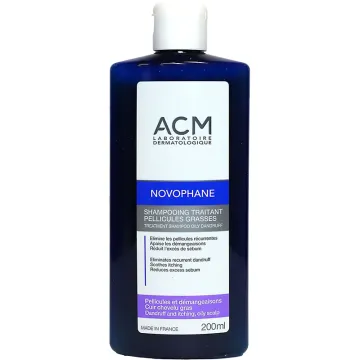
Shampoo is a hair care product that cleanses the scalp and hair using surfactants. These molecules bind to particles of dirt, sebum, and styling product residue, allowing them to be easily rinsed away with water. Depending on their type, surfactants can be more or less gentle: the most powerful ones clean deeply but can dry out the hair, while gentle surfactants are better at preserving the hydrolipidic film. Beyond cleansing, many shampoos contain nourishing and moisturizing ingredients. For gentle daily cleansing, a mild shampoo remains the best choice, while a standard shampoo meets everyday needs.
The ingredients list warrants attention depending on the sensitivity of your scalp:
Natural and organic formulations limit the use of controversial ingredients.
Sulfate-free shampoos are formulated without harsh foaming agents such as sodium lauryl sulfate (SLS) or ammonium lauryl sulfate (ALS). They offer several benefits: they are less irritating to sensitive or allergy-prone scalps, they better preserve moisture and natural oils, and they prevent the hair from drying out. They are particularly recommended for color-treated hair, as they help prolong color retention. Finally, by respecting the hydrolipidic film, they help reduce frizz and keep hair more supple. For dry hair and reactive scalps, they offer a gentle and effective alternative to conventional shampoo, to be incorporated into a tailored routine.
An anti-dandruff shampoo helps soothe scalps with dandruff thanks to targeted active ingredients. Zinc pyrithione and selenium sulfide act on the fungus associated with dandruff.Salicylic acid helps remove flakes by gently exfoliating the scalp. Ketoconazole, an antifungal agent found in certain over-the-counter products, is intended for more severe cases and should be used as directed by a pharmacist or doctor. These medicated shampoos must be used regularly and according to the product instructions to be effective. In cases of persistent dandruff, red patches, or severe itching of an irritated scalp, a dermatologist’s evaluation is recommended to rule out seborrheic dermatitis or psoriasis.
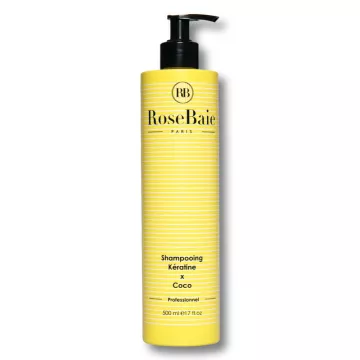
Fortifying and thickening shampoos contain active ingredients designed to strengthen the hair shaft and improve the appearance of thinning hair. They often include biotin, keratin (which strengthens the hair’s structure), or caffeine. These shampoos work on the surface and serve as a supplement, not a standalone treatment. Since hair loss has multiple causes (hormonal, nutritional deficiencies, stress, genetics), a shampoo alone is generally not enough. For significant or persistent hair loss, a medical consultation is essential to identify the cause and determine an appropriate course of treatment. Medications (such as minoxidil) require professional advice and are not shampoos.
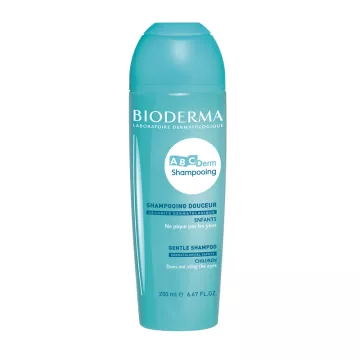
Shampoos for children are specially formulated for the delicate hair and scalp of young children. Their gentle formula minimizes the risk of irritation and dryness. Their pH-balanced formula respects the sensitivity of a child’s scalp. The tear-free formula prevents stinging if it comes into contact with the eyes, making bath time easier. They generally contain fewer fragrances and dyes to reduce the risk of allergies or skin reactions. For babies, choose a product that has been dermatologically tested and is appropriate for their age. If cradle cap (infant seborrheic dermatitis) persists or if the scalp becomes red, consult your pediatrician or pharmacist.
An unsuitable shampoo can cause several problems. Scalp irritation or an allergic reaction may occur depending on the ingredients and individual sensitivity. Excessive dryness of the hair often indicates a formula that’s too harsh: switch to a mild, sulfate-free shampoo. Paradoxically, washing too frequently or too aggressively can trigger an overproduction of sebum as a reaction, causing the hair to become oily again quickly. Dull hair may indicate a buildup of silicones or a lack of nutrients. If irritation, itching, or abnormal hair loss persists despite switching products, consult a dermatologist to identify the underlying cause. Spacing out washes and using dry shampoo in between can help rebalance the scalp.
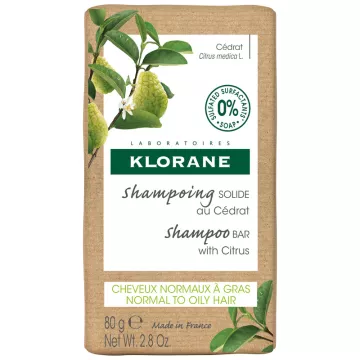
A store-bought shampoo is formulated with precisely measured ingredients and preservatives that ensure effectiveness and long-term stability. A homemade shampoo (baking soda, apple cider vinegar, essential oils) appeals because it is natural and customizable, but has its limitations: the pH may sometimes be unsuitable for the scalp, it has a short shelf life, cleaning effectiveness can vary, and there is a risk of irritation with certain essential oils if not properly measured. For most needs, a certified organic shampoo (Ecocert, Cosmebio, Cosmos Organic) offers the best balance between natural ingredients, safety, and effectiveness. Solid shampoo is also an increasingly popular zero-waste alternative. Regardless of the choice, the key is to select a product suited to your hair type and scalp.