

Restless sleep refers to sleep disrupted by repeated body movements, frequent awakenings, intense or intrusive dreams, nighttime kicking, bruxism (teeth grinding), or myoclonus (jerks upon falling asleep). It differs from light sleep in that it has an internal origin—the restlessness stems from the body itself, not from the environment. It disrupts the continuity of sleep cycles and prevents the transition to deep N3 sleep, resulting in fatigue upon waking similar to that caused by insufficient deep sleep. It chronically affects up to 30% of adults, with a higher prevalence among anxious individuals, children, and the elderly.
Nighttime restlessness most often results from hyperactivation of the sympathetic nervous system during sleep—maintaining excessively high muscle tone, micro-contractions, and an inability to fully relax. Chronic stress, unresolved ruminations in the evening, and magnesium deficiency (nighttime cramps, myoclonus, neuromuscular hyperexcitability) are the primary causes. Certain medications (SSRI antidepressants, beta-blockers) can induce or worsen restlessness during REM sleep. Caffeine after 2 p.m. and alcohol in the evening disrupt sleep architecture and increase the proportion of restless sleep stages.
Homeopathy offers several highly specific profiles:
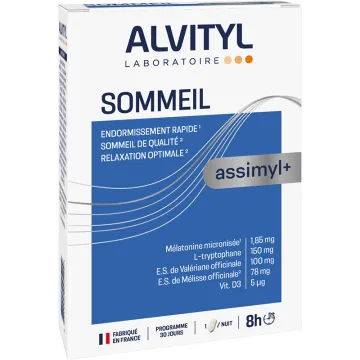
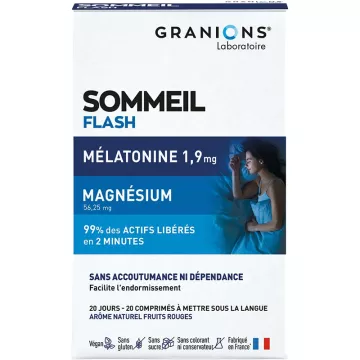
Griffonia (Griffonia simplicifolia, seeds rich in 5-HTP) is the direct precursor of serotonin in the brain—5-HTP crosses the blood-brain barrier and increases synaptic serotonin, which is converted into melatonin during the night. A daily supplement of 100–200 mg (with dinner or at bedtime) reduces nighttime restlessness and early morning awakenings and improves subjective sleep quality. Saffron (safranal + crocin) exerts a mild anxiolytic effect, documented through its inhibition of serotonin reuptake—reducing nighttime anxiety and restlessness during REM sleep. Complex sleep + stress formulas combine these active ingredients with magnesium, melatonin, and adaptogenic herbs.
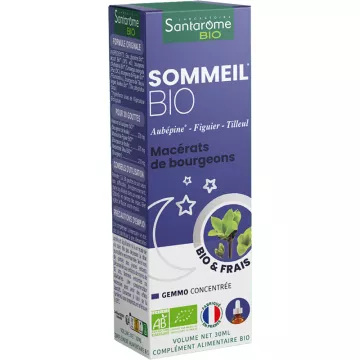
Gemmotherapy complexes (sublingual glycerin macerates of buds) offer a holistic approach to chronic nighttime restlessness. Fig tree buds (emotional insomnia, rumination) act on the gut-brain axis and the regulation of intestinal serotonin—70% of the body’s serotonin is produced in the digestive tract. Linden buds (a systemic sedative, for chronic anxiety) exert a cumulative effect after 3 to 4 weeks of use. Sequoia buds (an adaptogen, reducing nighttime cortisol) provide additional support for cases of overexertion. Pediatric syrup formulas (lemon balm + passionflower + melatonin) relieve nighttime restlessness in hyperactive or anxious children ages 6 and up.
Persistent restless sleep lasting more than 4 weeks despite the approaches described warrants a medical consultation. Warning signs requiring a medical evaluation: violent or dangerous nighttime behaviors during sleep (hitting, falling, wandering into dangerous areas), restlessness during REM sleep in men over 60 (a risk factor for neurodegenerative diseases such as Parkinson’s disease and Lewy body dementia), recurrent sleepwalking in adults, and severe bruxism with tooth wear (consult a dentist for a nightguard). A polysomnographic evaluation allows for a precise characterization of the type of nocturnal agitation and enables tailored management. Intense snoring associated with nocturnal agitation should raise suspicion of obstructive sleep apnea, for which treatment with continuous positive airway pressure dramatically reduces the associated nocturnal agitation.