Snoring is caused by the vibration of the soft tissues of the pharynx (soft palate, uvula, base of the tongue) as air passes through them during sleep. Several factors significantly increase the intensity of snoring: being overweight (peripharyngeal fat deposits that narrow the airway), evening alcohol consumption (relaxation of the pharyngeal muscles), sleeping on one’s back (the tongue falling backward), nasal congestion (rhinitis that forces mouth breathing at night), and aging (progressive pharyngeal muscle hypotonia). Excess weight is the most impactful modifiable risk factor—a 10% reduction in body weight significantly reduces snoring in the majority of overweight snorers.
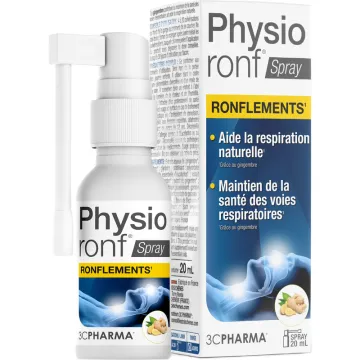
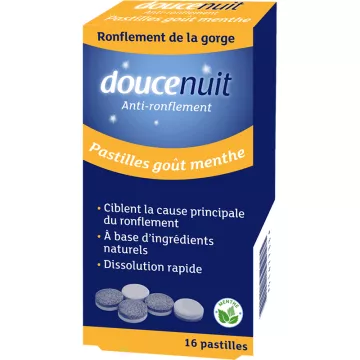
Anti-snoring oral sprays and solutions work by lubricating and toning the oropharyngeal mucous membranes. Formulas based on vegetable oils and natural surfactants reduce the surface tension of the pharyngeal mucous membranes, thereby decreasing the amplitude of the vibrations responsible for the sound of snoring. Lozenges and strips (mint, honey, lemon) have a local stimulating effect and cause mild astringency in the mucous membranes, reducing their laxity and the risk of vibration. These approaches are effective for simple, mild-to-moderate snoring without apnea.Insomnia in the sleeping partner—who is often more severely affected than the snorer themselves—is the main reason for seeking medical advice.
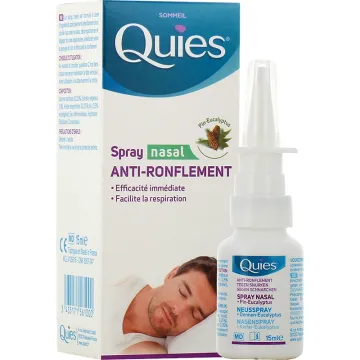
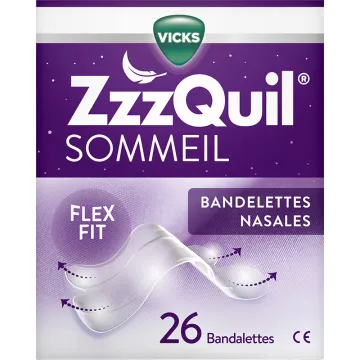
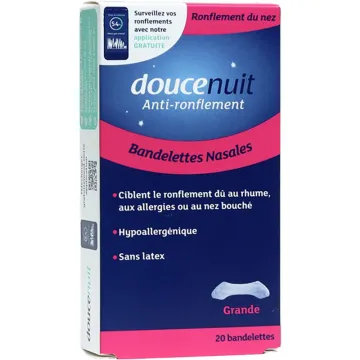
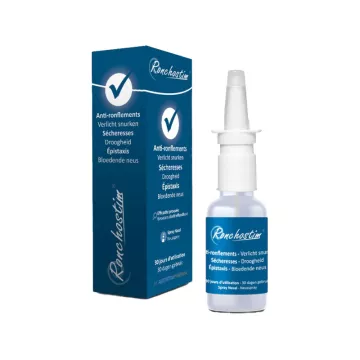
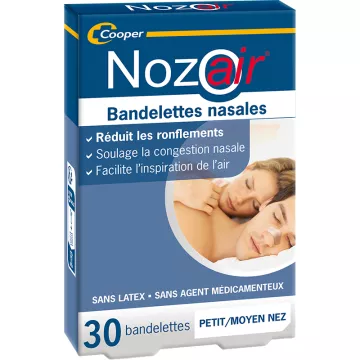
Nocturnal nasal congestion is a major and often overlooked cause of snoring—it forces mouth breathing, which amplifies pharyngeal vibrations. Nasal sprays containing Scots pine and eucalyptus oils lubricate the nasal passages and reduce nasal air resistance. Nasal dilator strips (rigid, self-adhesive strips placed on the bridge of the nose) mechanically widen the nostrils and increase nasal airflow by 25 to 30% — particularly effective for snoring caused by a deviated septum or an insufficient nasal valve.
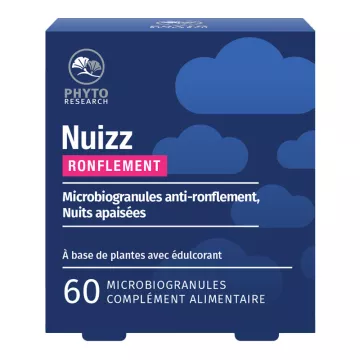
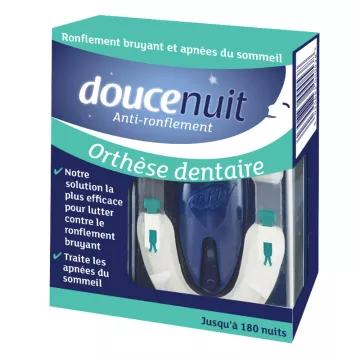
The anti-snoring mouthguard (mandibular advancement device) keeps the lower jaw slightly forward during sleep—this positioning moves the base of the tongue forward and opens the posterior pharynx, reducing airway resistance. Its effectiveness has been documented for simple snoring and mild to moderate sleep apnea, with a 50–70% reduction in snoring intensity among regular users. Anti-snoring microbiogranules (an aromatherapy complex in slow-dissolving microbeads) ensure a gradual release of lubricating active ingredients throughout the night. Correcting mouth-breathing at the same time optimizes the effectiveness of these devices.
Simple snoring does not directly threaten the snorer’s health. However, snoring associated with breathing pauses observed by a partner, severe daytime sleepiness, or morning headaches should raise suspicion of obstructive sleep apnea (OSA). Untreated OSA is associated with an increased risk of cardiovascular (hypertension, arrhythmia), metabolic (type 2 diabetes), and cognitive complications. Excessive daytime sleepiness accompanied by loud snoring requires prompt medical evaluation and a polysomnography test for diagnosis.
Several behavioral changes can significantly reduce snoring without the use of a device. Sleeping on one’s side (maintained by a positional pillow or a ball sewn into the back of the pajamas) prevents the tongue from falling back into the dorsal position—a simple and effective measure for many positional snorers. Avoiding alcohol within 3 hours of bedtime prevents the resulting relaxation of the pharyngeal muscles. Losing 5 to 10% of body weight if overweight (through dietary changes and regular physical activity) reduces fat deposits around the pharynx. Keeping the nasal passages clear (nasal irrigation with seawater, treating underlying allergic rhinitis) reduces nighttime mouth breathing. These lifestyle and dietary measures constitute the first line of treatment for simple snoring, prior to any medical or orthopedic devices.