0
Menu

Overweight: Impact on Fertility, the Role of Stress, and Supplements

Filter
Number of products : 7
Sort
Sort
Close
NHCO Symetix Weight Overload 56 capsules + 56 capsules NHCO Symetix Weight Overload 56 capsules + 56 capsules
€36.90
Shipped within 24h
Soria Natural Fucus Extrait Fluide 50 ml Soria Natural Fucus Extrait Fluide 50 ml
€10.49
Shipped within 24h
LCA Organic Juniper essential oil from Provence LCA Organic Juniper essential oil from Provence
€8.75
Shipped within 24h
Elderberry organic Aquagemm Alcohol-free bud macerate Gemmotherapy Elderberry organic Aquagemm Alcohol-free bud macerate Gemmotherapy
€29.49
Shipped in 5 to 7 working days
Puressentiel Organic Essential Oil Juniper 5 ml -20% Puressentiel Organic Essential Oil Juniper 5 ml
€7.09 €8.85
Ships in 5-7 business days
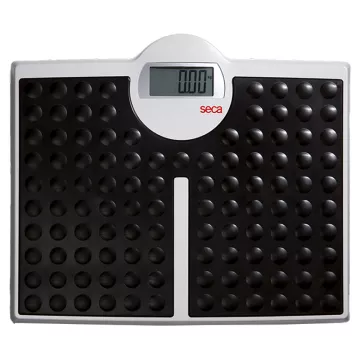
Seca Robusta 813 Electronic Flat Scale Seca Robusta 813 Electronic Flat Scale
€142.54
Ships in 5 to 7 working days
One Touch Automatic Mandolin One Touch Automatic Mandolin
€44.10
Shipped in 5 to 7 working days

What is being overweight, and how is it assessed?

Being overweight refers to an excessive accumulation of body fat relative to a healthy body composition. It is primarily measured by the body mass index (BMI): weight (kg) divided by height² (m²). A BMI between 25 and 29.9 is classified as overweight; a BMI of 30 or higher is classified as obesity. BMI remains a popular but imperfect screening tool—it does not distinguish between body fat and muscle mass. Additional indicators, such as waist circumference (greater than 88 cm in women and 102 cm in men = high cardiovascular risk) or the waist-to-hip ratio, provide more precise information on fat distribution and the associated metabolic risk.

What causes overweight?

Being overweight most often results from the interaction of several factors:

  • Energy imbalance: chronic calorie intake that exceeds energy expenditure.
  • Sedentary lifestyle: reduced daily energy expenditure.
  • Dietary quality: excessive intake of simple sugars, saturated fats, and ultra-processed foods.
  • Hormonal factors: hypothyroidism,insulin resistance, and PCOS in women.
  • Chronicstress: Cortisol promotes abdominal fat storage and compulsive eating behaviors.
  • Genetic factors: predisposition to adipogenesis and a reduced basal metabolic rate.

Identifying the primary cause in each individual is essential for tailoring the management strategy.

What are the health risks associated with being overweight?

Being overweight increases the risk of many chronic conditions:

  • Type 2 diabetes: Insulin resistance is directly correlated with excess visceral fat.
  • High blood pressure and cardiovascular disease: adipose tissue secretes pro-inflammatory and pro-thrombotic substances.
  • Osteoarthritis of weight-bearing joints (knees, hips): mechanical overload accelerates cartilage degradation.
  • Nonalcoholic fatty liver disease, sleep apnea, and certain cancers (breast, endometrial, and colon).
  • Reproductive disorders: menstrual irregularities, PCOS, and reduced fertility.

These risks increase nonlinearly with BMI and the duration of being overweight. Visceral adiposity (deep abdominal fat, measured by waist circumference) is particularly harmful: it secretes inflammatory adipokines and disrupts insulin sensitivity even in people with a BMI close to normal.

How can overweight be prevented and treated naturally?

Non-pharmacological approaches form the foundation of any treatment plan:

  • A high-quality, low-calorie diet: a moderate calorie deficit (300 to 500 kcal/day), rich in fiber, vegetables, lean proteins, and healthy fats.
  • Physical activity: at least 150 minutes per week of moderate-intensity activity, combining cardio and strength training to preserve lean body mass.
  • Stress management: meditation, cardiac coherence, and relaxation techniques to reduce cortisol secretion, which promotes abdominal weight gain.
  • Adequate sleep: Sleep deprivation disrupts leptin and ghrelin levels, increasing hunger and sugar cravings.

Certain supplements have documented benefits as adjuncts: green tea (thermogenesis and fat oxidation via catechins), omega-3 (insulin sensitivity and reduced inflammation), soluble fiber (prolonged satiety and blood sugar regulation). These supplements are not a substitute for lifestyle changes and should be discussed with a healthcare professional if you are taking any medications.

Overweight and Reproductive Health: What Are the Impacts?

Being overweight interferes with reproductive hormone pathways. In women, it disrupts ovulation and increases the risk of PCOS and pregnancy complications (gestational diabetes, preeclampsia). In men, the peripheral conversion of testosterone to estrogen by adipose tissue reduces sperm quality. A weight loss of 5 to 10% of body weight is often sufficient to restore a regular menstrual cycle and improve fertility, regardless of any other interventions. Management should be multidisciplinary (involving an endocrinologist, nutritionist, and gynecologist, depending on the context).