Time lag refers to any desynchronization between the internal circadian clock and social or environmental time. It encompasses three main forms: jet lag (transmeridian travel), seasonal misalignment (daylight saving time changes, one hour twice a year), and chronic social misalignment (shift workers, night workers, and those with variable schedules). The circadian clock (suprachiasmatic nucleus) is synchronized primarily by light—any disruption leads to sleep disturbances, daytime sleepiness, impaired alertness, and, in the long term, documented metabolic and cardiovascular risks. The switch to daylight saving time (loss of one hour) causes acute sleep debt associated with an increase in traffic accidents and heart attacks on the following Monday—according to several European epidemiological studies.
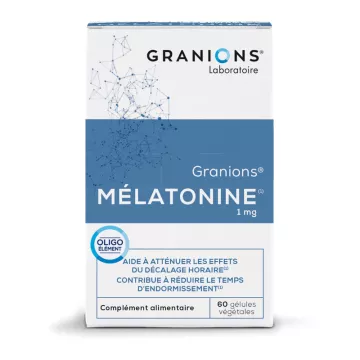
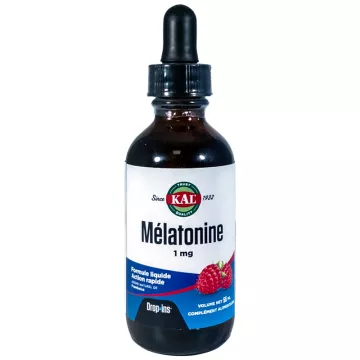
Melatonin is available in several dosage forms with distinct onset-of-action kinetics:
Tryptophan (a precursor to serotonin → endogenous melatonin, 500 mg to 1 g, 1 hour before bedtime) is an alternative for people who wish to avoid exogenous melatonin.
Chronic jet lag has documented cognitive consequences that go beyond daytime sleepiness. Studies of long-haul flight crews and night shift workers show a reduction in hippocampal volume (the center of declarative memory ) proportional to the length of time spent working irregular shifts. Memory consolidation occurs primarily during deep sleep and REM sleep—their fragmentation due to jet lag disrupts the encoding of information. Sustained alertness, reaction time, and decision-making are also affected, with the risk of errors increasing by a factor of 1.5 to 3 in high-risk professions (healthcare, transportation, security).
Adaptogenic plants provide complementary support to melatonin for recovery after jet lag. Ginseng (Panax ginseng, ginsenosides) improves alertness, cognitive performance, and tolerance to fatigue—recommended for maintaining daytime efficiency during the first few days after a significant time shift. These active ingredients should be taken in the morning only (to avoid disrupting nighttime sleep) as part of a 3- to 6-week regimen. A combined strategy (melatonin in the evening + adaptogens in the morning) optimizes both the quality of sleep during jet lag and the maintenance of daytime performance.
The switch to daylight saving time (losing an hour in March) and standard time (gaining an hour in October) represent minor time shifts that the body adjusts to within 5 to 7 days. For the switch to daylight saving time: go to bed 15 to 20 minutes earlier each night for the 3–4 days leading up to the change, expose yourself to bright light in the morning as soon as you wake up, and avoid napping. For the switch to standard time: stick to your usual schedule and engage in physical activity in the late afternoon. A dose of melatonin (0.5–1 mg) for 3 to 5 days at the new bedtime accelerates resynchronization. People with pre-existinginsomnia are particularly vulnerable and may need valerian or passionflower for 2 to 3 weeks.
Occasional jet lag (from travel or a time change) is benign and resolves on its own. In contrast, chronic social jet lag—such as shift work or night work over several years—is associated with serious health risks: obesity (disruption of the satiety hormones leptin and ghrelin), type 2 diabetes, hypertension, metabolic syndrome, and, according to recent cohort studies, an increased risk of certain hormone-dependent cancers (breast, prostate). Annual medical monitoring is recommended for long-term night shift workers (> 5 years).Eleutherococcus (eleutherosides, the adaptogen of choice for chronic shift workers) improves adaptation to variable work schedules—but does not replace medical monitoring of long-term metabolic risks.