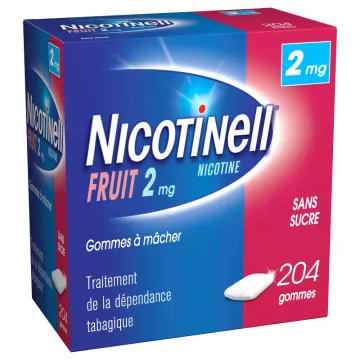
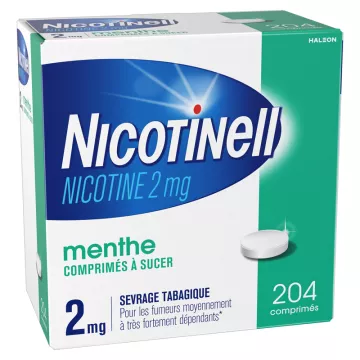
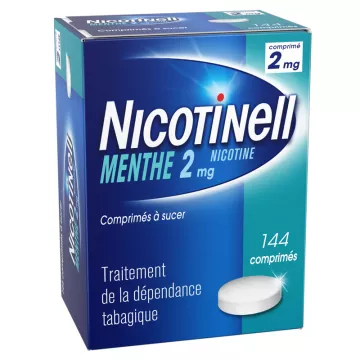
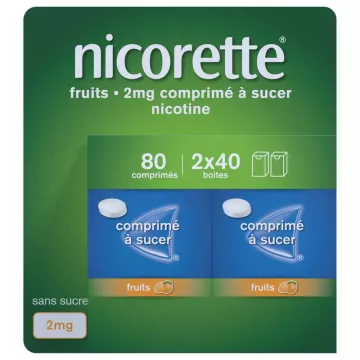
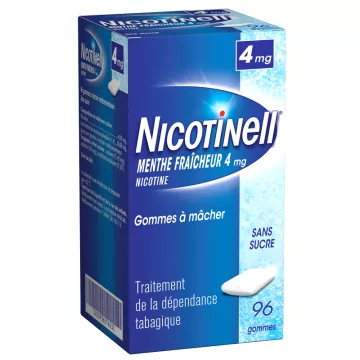
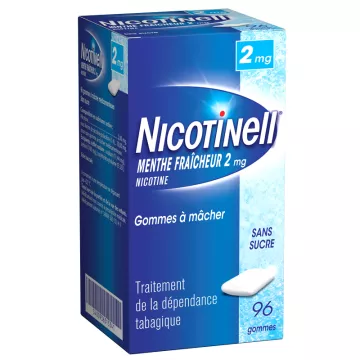
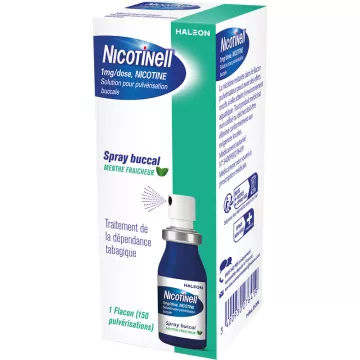
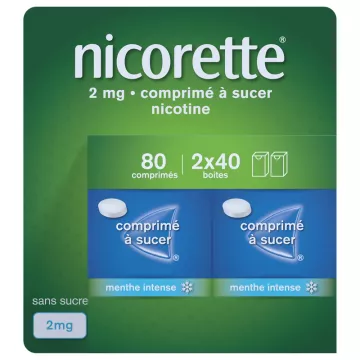
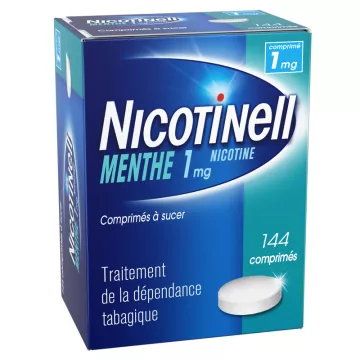
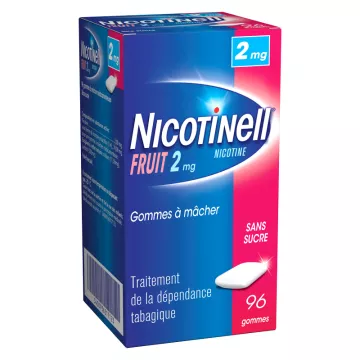
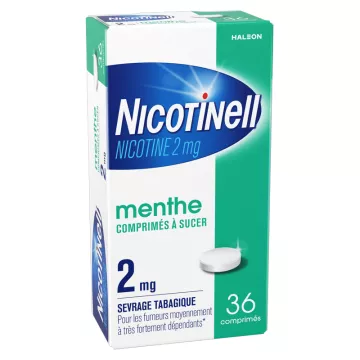
Quitting smoking starts with a firm decision and structured mental preparation. Setting a specific quit date, telling your friends and family so you can get their support, and identifying your own triggers (morning coffee, breaks at work, stress, evenings with friends) are the foundations of successful smoking cessation. Nicotine replacement therapies (patches, gum, lozenges), prescription medications such as varenicline or bupropion, and behavioral therapies are the most well-documented methods—combining them significantly increases the chances of success. Quitting cold turkey (overnight) is suitable for certain individuals, while a gradual reduction accompanied by nicotine replacement therapies is often preferred for more severe addictions—consulting a pharmacist or doctor can help determine the most appropriate approach.
To get through a sudden craving—which is usually intense but brief—the “4D” technique is particularly effective:
From an aromatherapy perspective, taking a few moments to inhale a hintof lemon or true lavenderessential oil directly from the bottle can divert your attention when a strong craving strikes. To stay motivated over the long term, set short- and long-term goals, reward yourself each time you reach a milestone without smoking, stay connected to a support community, and regularly remind yourself of the personal reasons that motivated you to quit—these are powerful psychological tools documented in smoking cessation programs.
A balanced diet—rich in fruits, vegetables, lean proteins, and whole grains—helps manage the weight gain often feared when quitting, while improving mood and reducing nicotine cravings. Regular physical exercise (brisk walking, jogging, cycling) reduces stress and anxiety, releases endorphins, and directly alleviates the urge to smoke—an underutilized but particularly effective tool in smoking cessation.
Several natural supplements support the body during this challenging period. Vitamin C (500 to 1,000 mg/day) compensates for depletion caused by previous smoking and supports overall recovery, while magnesium bisglycinate (300 mg/day) alleviates the irritability and nervousness associated with withdrawal. Passionflower (EMA: well-established use) soothes anxiety without causing excessive drowsiness, and rhodiola (an adaptogen) supports motivation and stress resistance throughout the process—to be taken in the morning; contraindicated in cases of bipolar disorder. When diffused into the air, ravintsara and rosemary can help restore healthy indoor air quality. Quitting smoking may temporarily increase anxiety—psychological support is recommended if symptoms become pronounced, and any relapse should be viewed not as a failure but as a learning step toward quitting for good.