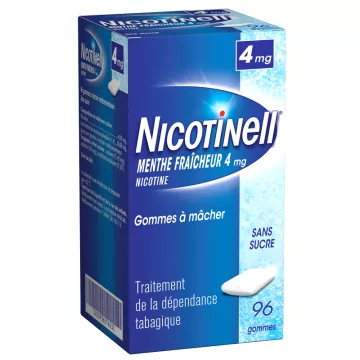
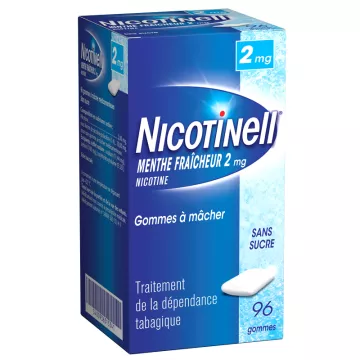
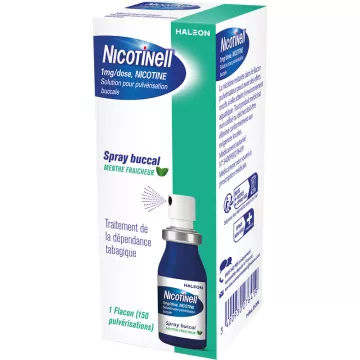
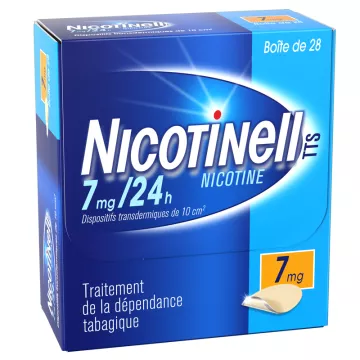
Nicotine is a natural alkaloid found in the leaves of Nicotiana tabacum, the tobacco plant. It is a psychoactive substance that acts directly on the central nervous system by binding to nicotinic receptors in the brain, triggering a cascade of rapid physiological effects. It is consumed in ways that go far beyond cigarettes: pipes, cigars, and chewing tobacco, as well as in controlled forms in nicotine replacement therapies (patches, gum, and sprays) designed to help people quit smoking. While nicotine itself is not carcinogenic, it is highly addictive and is the primary driver of tobacco dependence.
Immediate effects include stimulation of the nervous system (alertness, increased concentration, temporary reduction in fatigue), the release of dopamine, which produces a feeling of pleasure—the central mechanism of addiction—, an increase in heart rate and blood pressure, and a reduction in appetite. In the long term, repeated exposure leads to increasing tolerance (requiring higher doses for the same effect), cardiovascular effects (high blood pressure, increased risk of stroke), respiratory deterioration in cases of continuous exposure to smoke, and changes in cognitive and emotional functions, which are of particular concern in adolescents whose brains are still developing.
An essential distinction must be made: it is not the vapors or smoke from pure nicotine that cause smoking-related cancers and diseases, but rather the combustion byproducts of tobacco—tar, carbon monoxide, heavy metals, and nitrosamines. It is precisely this distinction that underpins the usefulness of nicotine replacement therapies: they deliver nicotine without exposing users to the toxic substances produced by combustion, thereby significantly reducing health risks while managing physical dependence.
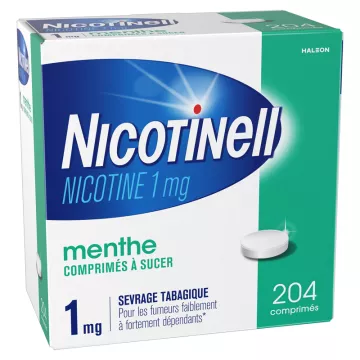
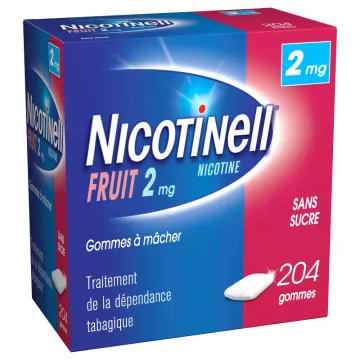
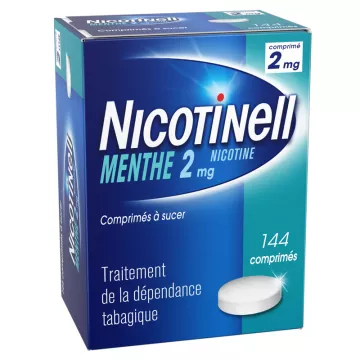
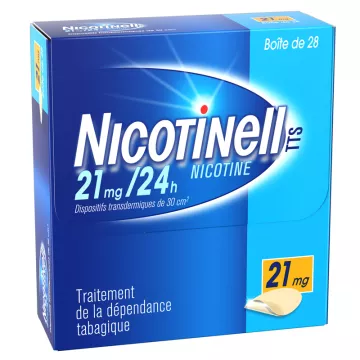
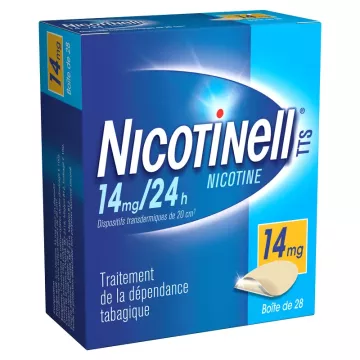
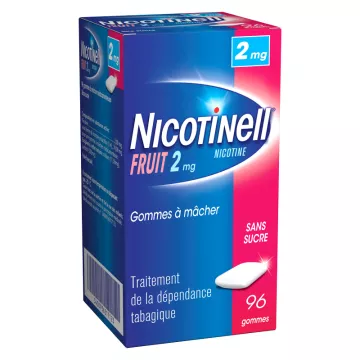
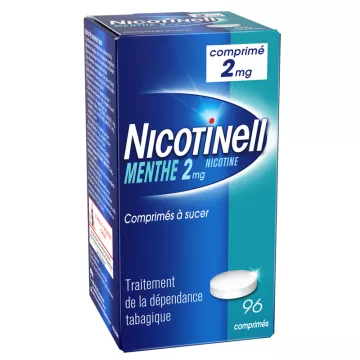
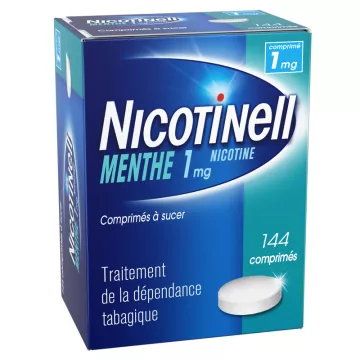
Nicotine replacement therapies come in several forms tailored to different needs:
Trace amounts of natural nicotine are also found in certain plants of the nightshade family—tomatoes, eggplants, potatoes, and peppers—but in negligible quantities that have no noticeable effect on the body.
The use of nicotine, even in the form of replacement therapies, must be monitored in several situations:
Regarding the weight gain often associated with quitting smoking: Nicotine reduces appetite and slightly increases metabolism, which partly explains this weight gain in some former smokers—however, it is not universal, and a balanced diet combined with regular physical activity can effectively limit it. To purchase high-quality nicotine replacement products, choose pharmacies and drugstores, which offer professional advice and personalized support, and verify that the products you select comply with European standards.