0
Menu
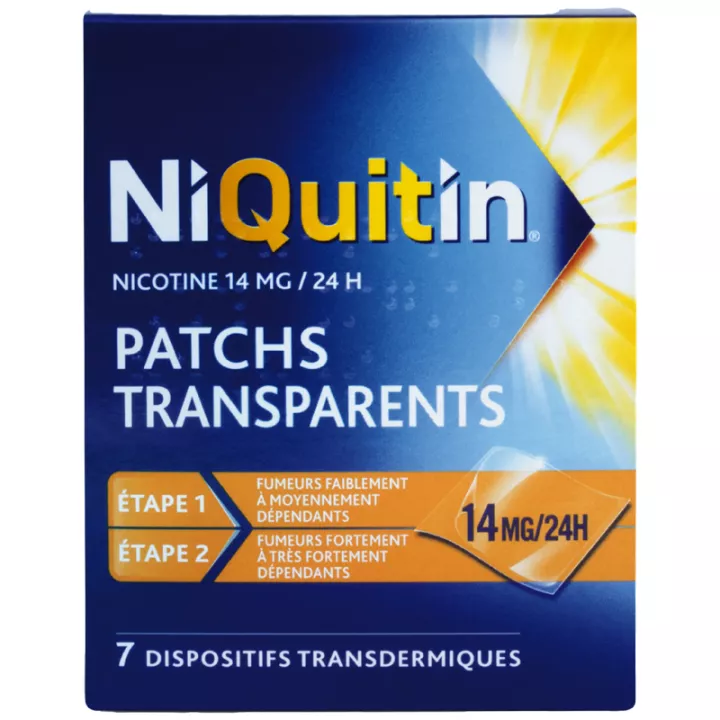
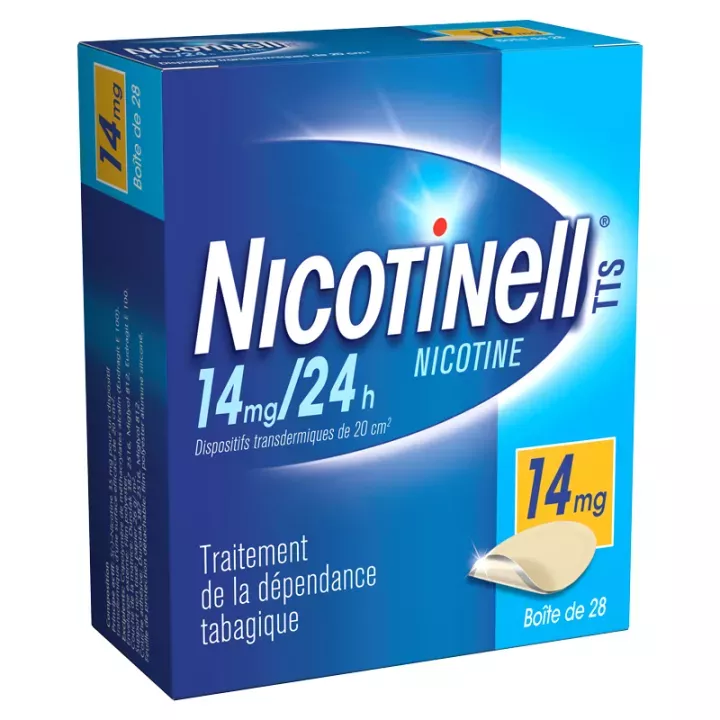
Nicotinell TTS 14 mg/24 h Nicotine, 28 patches
Over-the-counter medication

Nicotinell TTS 14 mg/24 h Nicotine, 28 patches

Brand : Nicotinell Nicotinell
product contains :

Nicotinell 14 mg 28 24-Hour Nicotine Patchesis a medication used to treat nicotine dependence. Nicotinell 14 mg/24-hour patches relieve nicotine withdrawal symptoms and are used at the start of treatment for moderate smokers or during the intermediate phase of treatment for heavy smokers.

€31.60 EXCL. VAT €32.26 INCL. VAT
This product is an over-the-counter medication. Please consult the package insert before ordering online.
In stock Shipped within 24h Secure payment
Reference : 3400933468392
5 / 5
(1Reviews)
You must be logged in to add this product to a list. Customer login
See delivery conditions

Our doctors of pharmacy advise you

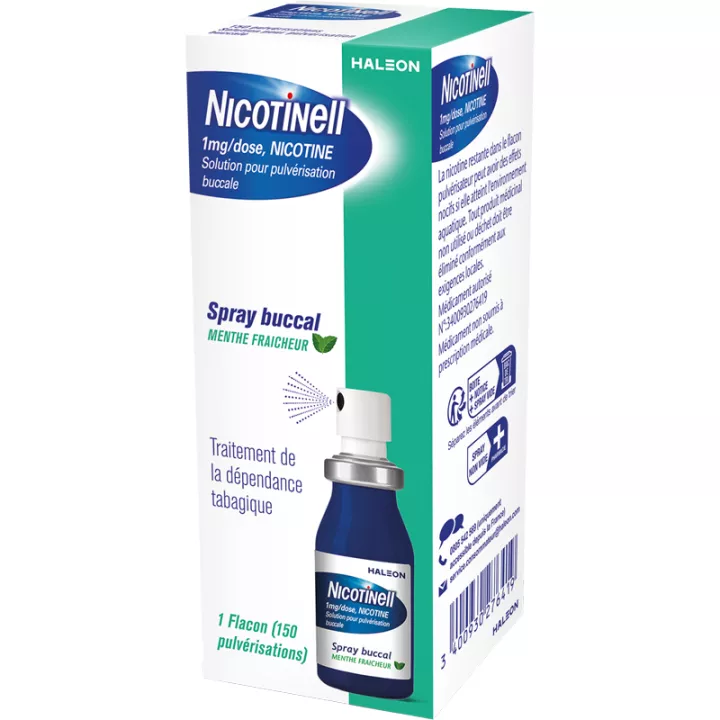
Nicotinell Nicotine Spray 1 mg/dose Nicotinell Nicotine Spray 1 mg/dose
1 box Set of 2 boxes
€9.83
Add to cart
Shipped within 24h
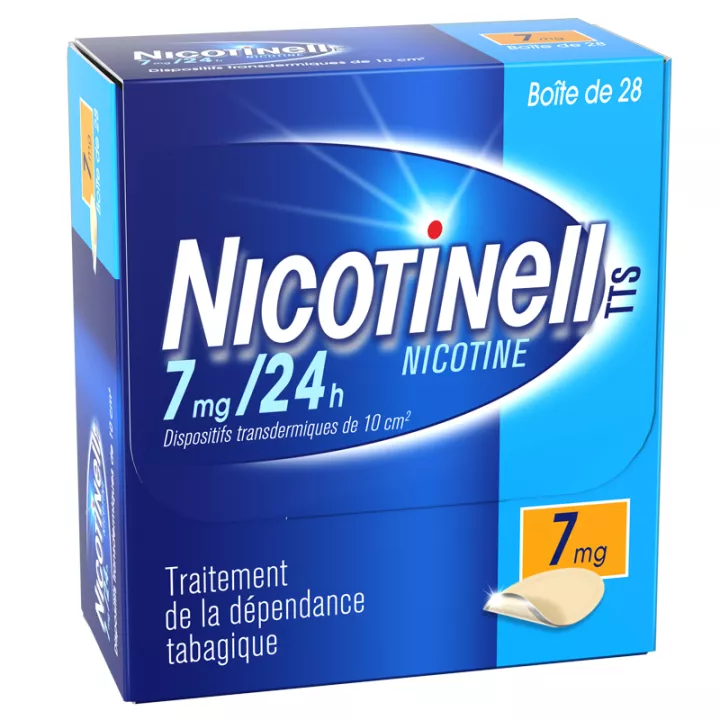
Nicotinell TTS 7 mg/24 h Nicotine, 28 patches Nicotinell TTS 7 mg/24 h Nicotine, 28 patches
€32.26
Shipped within 24h
Nicotinell TTS 21 mg/24 h Nicotine, 28 patches Nicotinell TTS 21 mg/24 h Nicotine, 28 patches
€32.26
Shipped within 24h
Homeopathic Kit to Help You Quit Smoking Homeopathic Kit to Help You Quit Smoking
€13.42
Shipped within 24h

For warnings, precautions, and contraindications, please refer to the package insert.

Description of Nicotinell 14 mg 28-Patch 24-Hour Nicotine Patch

TheNicotinell 14 mg/24-hour patch fromNovartisis a medication containing nicotine, intended for adults aged 15 and older and indicated for the treatment of tobacco dependence to relieve nicotine withdrawal symptoms in individuals who wish to quit smoking.

  • After applying this transdermal patch, the nicotine it contains is gradually released and enters the bloodstream through the skin.
  • There is no exposure to the other harmful substances in tobacco found in cigarettes (carbon monoxide, tar, irritant gases).
  • Nicotine reduces withdrawal symptoms (cravings for a cigarette, irritability, bad mood, anxiety, feelings of fear, hunger, weight gain, difficulty concentrating, and sleep disturbances).

Very discreet,the Nicotinell 14 mg/24-hour patch isintended for the initial treatment of moderate smokers (whose cigarette consumption does not exceed 20 cigarettes per day) or as an intermediate treatment forheavysmokers (who smoke more than 20 cigarettes per day). It continuously releases nicotine (over a 24-hour period), thereby reducing the strong craving for the first cigarette in the morning. It helps you quit smoking, alleviates the unpleasant effects of nicotine withdrawal, and reduces the intense urge to smoke.

Directions for Use and Reviews of Nicotinell 14 mg 28 24-Hour Nicotine Patches

The Nicotinell 14 mg/24-hour patchis applied once a day and remains on the skin for 24 hours:

  • Change the application site each day to prevent skin irritation.

  • Remove the protective liner.

  • Apply the patch to clean, hairless, dry, and healthy skin (free of lotion, alcohol, or ointment), preferably on the chest or upper arm.

  • Hold the patch in place by pressing down with the palm of your hand for about 10 seconds.

  • Avoid contact with the eyes and nose during application, and wash your hands after applying the patch.

Heavy smokers(who smoke more than 20 cigarettes per day):

  • Usethe Nicotinell 21 mg/24-hour patch for approximately 4 weeks, followed bytheNicotinell14 mg/24-hourpatchfor an additional 4 weeks, and then the Nicotinell 14 mg/24-hour patchforapproximately 4 weeks.

Moderate smokers(who smoke no more than 20 cigarettes per day):

  • Nicotinellpatch 14 mg/24 hfor about 8 weeks, followed by Nicotinell patch 14 mg/24 h for about 4 weeks.

Vitamin C and Vitamin E Deficiencies in Tobacco Smokers

Smoking leads to a deficiency invitamin C(ascorbic acid) andvitamin E(tocopherol).
Vitamins E and C are antioxidants capable of neutralizing free radicals produced in our bodies during inflammatory processes (smoking, cancer, Alzheimer’s disease). In fact, the free radicals generated by tobacco smoke gradually destroy the alveolar membranes.
Vitamin E (tocopherol)works synergistically with vitamin C, which explains why vitamin C supplementation significantly reduces the vitamin E deficiency observed in tobacco smokers.
Tobacco smokers consistently exhibit deficiencies in both vitamin E and vitamin C; for this reason, we recommenddietary supplements rich in vitamin C (acerola)and naturally occurring, bioavailable vitamin E.

Recommendations:

  • The dosage of the transdermal system should be adjusted according to the individual’s response: increase the dose if smoking cessation is not complete or if withdrawal symptoms are observed; decrease the dose if an overdose is suspected.
  • The duration of treatment is approximately 3 months but may vary depending on the individual’s response. It is recommended not to use this medication for more than 6 months.
  • Adolescents should use Nicotinell patches only in cases of severe tobacco dependence and after consulting a doctor or pharmacist.

Composition of Nicotinell 14 mg 28-Patch 24-Hour Nicotine Patch

1 Nicotinell patch contains 35 mg of nicotine—the average release of the active ingredient through the skin is 14 mg/24 h.

Transdermal patch (20 cm²): S(-) nicotine 35 mg. Excipients: alkali methacrylate copolymer (Eudragit E 100), q.s. to 1 transdermal patch. Outer layer: polyester film. Matrix layer: Durotak 280-2516, Miglyol 812, Eudragit E 100. Nonwoven backing: paper. Adhesive layer: Durotak 280-2516, Miglyol 812. Removable protective liner: siliconized aluminum-coated polyester film.

Precautions for Use with Nicotinell 14 mg 28-Patch 24-Hour Nicotine Patch

This medication is contraindicated in the following situations: Non-smokers or occasional smokers; Hypersensitivity to any of the ingredients; Skin conditions that may interfere with the use of a transdermal patch.

Product Information for Nicotinell 14 mg 28-Patch 24-Hour Nicotine Patch

Box of 28 Nicotinell 14 mg/24-hour patches.

Our anti-stress tips and advice from pharmacy experts

Due to its composition, Nicorelay is not addictive and does not lead to dependence.

Suck on 6 to 10 lozenges per day whenever you feel the need to unwind, as part of a balanced diet.

  • Breathe deeply, sitting or standing, with your eyes closed, for 15 to 20 breaths.
  • Engage in physical activity, such as at least 20 to 30 minutes of brisk walking.
  • Aim for restful sleep by going to bed at a regular time, after a dinner rich in complex carbohydrates, in a cool bedroom, with a book rather than the TV.
  • Opt for gentle methods such as foot reflexology, sophrology, yoga, or meditation.

Warnings and other special precautions for use:

Warnings:

  • To ensure the best chance of success, use of this medication must be accompanied by a complete cessation of tobacco use.
  • Due to the pharmacological effects of nicotine, certain medical conditions require medical advice and monitoring: severe liver and/or kidney failure; active gastric or duodenal ulcers.
  • Nicotine is a toxic substance: Keep this medication out of the reach of children. The therapeutic dose intended for adults could cause serious, even fatal, poisoning in children.
  • It is recommended to fold the transdermal patch in half before disposing of it.

Precautions for use:

  • In the event of a severe or persistent skin reaction, it is recommended to discontinue treatment and use another dosage form (see Adverse Effects).

Pregnancy:

  • Experimental studies conducted in several species have not shown any teratogenic or fetotoxic effects of nicotine administered at a continuous rate, even at doses toxic to the mother. Under the same conditions of administration, fetal hypotrophy was observed at even higher doses in a single species, the mouse, but not in rats or rabbits. Clinically, a limited number of observations show no harmful effects—either maternal or fetal—from nicotine used for smoking cessation.
  • Smoking during pregnancy can cause intrauterine growth restriction, in utero fetal death, preterm birth, and neonatal hypotrophy, which appear to be correlated with the extent of tobacco exposure as well as the stage of pregnancy, as these effects are observed when tobacco exposure continues during the third trimester.
  • The nicotine provided by smoking cessation therapies is not without harmful effects on the fetus, as evidenced by the observed hemodynamic effects. However, there are no epidemiological studies specifying the actual impact of nicotine from replacement therapies on the fetus or the newborn.
  • For pregnant women, complete cessation of tobacco use should always be recommended, without nicotine replacement therapy.
  • If cessation efforts fail in a heavily dependent patient, smoking cessation using this medication is an option. In fact, the risk to the fetus from continuing to smoke during pregnancy is likely greater than that expected with nicotine replacement therapy, since smoking adds exposure to polycyclic aromatic hydrocarbons and carbon monoxide, and since the exposure to nicotine from replacement therapy is lower than—or at least no higher than—that associated with smoking.
  • The goal is to achieve complete cessation of smoking—and even of nicotine replacement therapy—before the third trimester of pregnancy. Smoking cessation, with or without replacement therapies, should not be considered in isolation but as part of a comprehensive care plan that takes into account the psychosocial context and any other potentially associated addictions. It may be advisable to seek care from a clinic specializing in smoking cessation.
  • In the event of partial or complete failure to quit, continued treatment with a nicotine replacement therapy after the sixth month of pregnancy should be considered only on a case-by-case basis. It is important to bear in mind the specific effects of nicotine, which could affect the fetus, particularly as the pregnancy nears term.

Breastfeeding:

  • Given the consistent nicotine levels associated with this form of replacement therapy, breastfeeding is not recommended during treatment with this medication.

Interactions with other medications and other forms of interactions:

  • Tobacco may, through a process of enzyme induction caused by aromatic hydrocarbons, reduce blood concentrations of certain medications such as caffeine, theophylline, imipramine-based antidepressants, flecainide, and pentazocine.
  • Quitting smoking—especially abruptly—particularly while taking this medication, may lead to an increase in the concentrations of these active ingredients, due to the reversibility of the enzyme induction effect.
  • For medications with a narrow therapeutic index, such as theophylline, smoking cessation should be accompanied not only by a dosage adjustment but also by close clinical and even laboratory monitoring, with the patient informed of the risks of overdose.
  • Due to its specific pharmacological, cardiovascular, neurological, and endocrine properties, nicotine, just like tobacco, can: lead to increased levels of cortisol and catecholamines; require dosage adjustments for nifedipine, beta-blockers, and insulin; reduce the effects of diuretics; slow the rate of healing of gastric ulcers treated with H2 antihistamines; increase the incidence of adverse effects of estrogen-progestin combinations.

Adverse effects:

  • Transdermal nicotine patches may cause adverse effects similar to those of nicotine administered by other routes.
  • Systemic adverse effects: Palpitations. Dizziness, headaches. Nausea, vomiting. Insomnia, sleep disturbances.
  • Local adverse effects: Erythema and pruritus at the application site; more rarely, edema and a burning sensation.
  • The vast majority of these side effects are mild and resolve spontaneously shortly after the patch is removed.
  • In the event of a severe or persistent skin reaction, it is recommended to discontinue treatment and use another form of nicotine replacement therapy.
  • Some symptoms, such as dizziness, headaches, and insomnia, may be related to smoking cessation.
  • An increase in the occurrence of mouth ulcers may occur after quitting smoking. A causal relationship has not been clearly established.

Overdose:

A nicotine overdose may occur if the patient had previously received very low doses of nicotine or is concurrently using other nicotine-based smoking cessation treatments.

Symptoms:

  • Symptoms of overdose are those of acute nicotine poisoning, including nausea, excessive salivation, abdominal pain, diarrhea, sweating, headache, dizziness, decreased hearing, and general weakness. At high doses, hypotension, a weak and irregular pulse, respiratory distress, prostration, cardiovascular collapse, and seizures may occur.
  • The doses of nicotine tolerated by smokers during treatment can cause acute poisoning that may be fatal in young children.

Action to Take in Case of Overdose:

  • Nicotine administration must be stopped immediately, and symptomatic treatment should be initiated.
  • Assisted ventilation and oxygen therapy should be initiated if necessary.

Medication Warnings

Warning: This medication is not like other products. Read the medication guide carefully before ordering. Keep medications out of the reach of children. If symptoms persist, consult your doctor or pharmacist. Be aware of potential interactions with your current medications.

    • Please inform your online pharmacist of any current treatments to identify potential interactions. The order confirmation form includes a custom message field for this purpose.
    • Click hereto view the package insert for this medication on the website of the French National Agency for Medicines and Health Products Safety.
    •  

Pharmacovigilance Report an adverse drug reaction(s)

Download PDF leaflet

NOTICE

ANSM - Last updated: 29/05/2017

Name of the medicinal product

NICOTINELL TTS 14 mg / 24 H, transdermal patch

Nicotine

framed

Read this leaflet carefully before you start taking this medicine. It contains important information for your treatment.

If you have any further questions, ask your doctor or pharmacist.

· Keep this leaflet, you may need to read it again.

· If you need more information and advice, ask your pharmacist.

· If symptoms worsen or persist, consult your doctor.

· If you notice any side effects not listed in this leaflet, or if you experience any of the effects listed as serious, please tell your doctor or pharmacist.

What is in this leaflet?

1. What is NICOTINELL TTS 14 mg / 24 H, transdermal patch and in which cases it is used?

2. What should I know before using NICOTINELL TTS 14 mg / 24 H, transdermal patch?

3. How to use NICOTINELL TTS 14 mg / 24 H, transdermal patch?

4. What are the possible side effects?

5. How to store NICOTINELL TTS 14 mg / 24 H, transdermal patch?

6. ADDITIONAL INFORMATION .

1. WHAT IS NICOTINELL TTS 14 mg / 24 H, transdermal patch AND WHAT IT IS USED FOR?

Pharmacotherapeutic group: MEDICINAL PRODUCTS USED IN NICOTINE DEPENDENCE. ATC code: N07BA.

Therapeutic indications

This drug is indicated for the treatment of tobacco dependence in order to relieve the symptoms of nicotine withdrawal in subjects wishing to stop their tobacco consumption.

2. BEFORE YOU USE NICOTINELL TTS 14 mg / 24 H, transdermal patch?

Never use NICOTINELL TTS 14 mg / 24 H, transdermal patch

· if you do not smoke or if you are an occasional smoker,

· if you are allergic (hypersensitive) to nicotine or to any of the ingredients of this medication mentioned in section 6,

· in the case of skin disorders which may interfere with the use of a transdermal system.

· If in doubt, do not hesitate to seek the advice of your doctor or pharmacist.

Warnings and Precautions

In order to succeed in quitting smoking, complete cessation of smoking is essential. Read health education tips carefully.

Take special care with NICOTINELL TTS 14 mg / 24 H, transdermal patch:

Warnings

You must consult a physician prior to use of NICOTINELL TTS 14 mg / 24 h, transdermal patch in case of recent myocardial infarction (heart attack), unstable or worsening angina pectoris including Prinzmetal angina, severe heart rhythm, uncontrolled hypertension, recent stroke.

You should seek the advice of your doctor or health care professional before using NICOTINELL TTS, transdermal patch:

· in the case of stable cardiovascular disease, severe arterial hypertension or heart failure,

· in cases of cerebrovascular disease or arteritis of the lower limbs,

· in case of diabetes

· in case of hyperthyroidism or pheochromocytoma (adrenal gland disease leading to severe arterial hypertension)

· in case of severe liver and kidney disease

· in the event of an evolving stomach or duodenal ulcer,

· in case of skin disorder.

The therapeutic dose intended for adults could cause severe or even fatal poisoning in children. This is why you should always hold the transdermal patch before and after use, out of the reach and sight of children.

After use, it is recommended to fold the patch on itself before discarding.

IN CASE OF DOUBT DO NOT HESITATE TO REQUEST THE NOTICE OF YOUR DOCTOR OR PHARMACIST.

Other drugs and NICOTINELL TTS 14 mg / 24 H, transdermal patch

Inform your doctor or pharmacist if you are using, have recently used or could use any other medicines.

NICOTINELL TTS 14 mg / 24 H, transdermal patch with food, beverages and alcohol

Not applicable.

Pregnancy, breast-feeding and fertility

It is very important to quit smoking during your pregnancy for you and your child.

Smoking cessation during pregnancy requires medical advice and follow-up. You should therefore consult the doctor who follows your pregnancy or your usual doctor or a doctor at a center specialized in smoking cessation.

If you smoke a lot and do not plan to stop smoking, you should not breastfeed your child, but use artificial breastfeeding. Use of this medication is not recommended during breast-feeding.

However, if you want to stop smoking and breast-feed your child, take advice from your doctor or a doctor at a smoking cessation center.

Driving and using machines

Not applicable.

NICOTINELL TTS 14 mg / 24 H, transdermal patch contains:

The NICOTINELL TTS transdermal patch contains aluminum. Therefore, you must remove it before any MRI (magnetic resonance imaging) examination.

3. HOW TO USE NICOTINELL TTS 14 mg / 24 H, transdermal patch?

Dosage

Reserved for adults and adolescents over 15 years of age.

Three sizes of transdermal devices are available: 10, 20 and 30 cm2 corresponding to 3 different dosages: 7, 14 and 21mg / 24 hours.

Your degree of nicotine dependence will be assessed by the Fagerström test (see Health Education Tips) or by the number of cigarettes consumed per day. It will allow you to choose the dosage that fits your need.

The dose should be increased if you experience symptoms of "lack". It should be decreased if you experience signs of overdose: read the chapter on precautions for use and do not hesitate to ask your pharmacist for advice.

NICOTINELL TTS transdermal patch can be used alone or in combination with oral forms NICOTINELL 1 mg tablet to suck or NICOTINELL 2 mg, chewing gum.

In case of association, it is advisable to take a medical opinion.

Treatment with NICOTINELL TTS, transdermal patch alone:

The treatment takes place in 3 periods:

· Initial period: it lasts from 3 to 4 weeks and will allow you to get quit smoking.

· Follow-up of treatment: this period consolidates the cessation of smoking and begins nicotine withdrawal

· Therapeutic Withdrawal: This period should allow you to stop treatment.

The total treatment lasts on average 3 months

However, the duration of treatment may vary depending on the individual response.

The total duration of treatment should not exceed 6 months.


Initial phase 3 to 4 weeks

Treatment follow-up 3 to 4 weeks

Therapeutic withdrawal 3 to 4 weeks

Score of 5 or more on the Fagerström test

or

Smokers of 20 or more cigarettes per day

NICOTINELL TTS 21 mg / 24 hours

NICOTINELL TTS 14 mg / 24 hours

or

NICOTINELL TTS 21 mg / 24 h *

NICOTINELL TTS 7 mg / 24 hours

or

NICOTINELL TTS 14 mg / 24 hours

then

NICOTINELL TTS 7 mg / 24 hours *


Score below 5 in Fagerström test

or

Smokers under 20 cigarettes a day

NICOTINELL TTS 14 mg / 24 hours

or

increase to NICOTINELL TTS 21 mg / 24 h *

NICOTINELL TTS 14 mg / 24 hours

or

NICOTINELL TTS 7 mg / 24 hours **

NICOTINELL TTS 7 mg / 24 hours

or

cessation of treatment **


* Based on results on withdrawal symptoms.

** In case of satisfactory results.

Treatment with NICOTINELL TTS, transdermal patch in combination with NICOTINELL 1 mg tablet to suck or NICOTINELL 2 mg, medicated chewing gum

If your treatment with NICOTINELL TTS transdermal device has failed, you may use it in combination with NICOTINELL 1 Mg Sucrose or NICOTINELL 2 Mg, Drug Chewing Gum.

Note: Read the package leaflet of NICOTINELL 1mg tablet to suck or NICOTINELL 2 mg chewing gum before use.

In order to increase your chances of quitting, it is advisable to stop smoking completely when you start taking these sucking tablets or chewing gum in combination with NICOTINELL TTS transdermal patch for the entire duration of treatment.

Initial treatment:

Begin treatment with a transdermal patch of 21mg / 24h in combination with NICOTINELL 1mg, sucking tablet or NICOTINELL 2mg, chewing gum. Use at least 4 tablets (1 mg) or chewing gum (2 mg) per day. In most cases, 5 to 6 tablets or chewing gum per day are sufficient. Do not use more than 15 tablets to suck 1 mg or chewing gum 2 mg per day. In normal situations, treatment should last no more than 6 to 12 weeks. Subsequently, you must reduce the dose of nicotine significantly.


Reduction of the nicotine dose after 6 to 12 weeks:

This can be done in 2 ways.

Option 1: Use of transdermal devices at a lower dose, ie NICOTINELL TTS 14 mg / 24 hours, transdermal patch for 3 to 6 weeks followed by NICOTINELL TTS 7 mg / 24 hours, transdermal patch for new 3 to 6 weeks without decreasing the number of gums or tablets. Then, the number of tablets or chewing gums should be gradually reduced. It is not generally recommended to use NICOTINELL 1 mg, tablet to suck or NICOTINELL 2 mg, chewing gum for more than 6 months. However, some ex-smokers may need treatment for longer periods of time to avoid smoking, but this should not exceed 9 months.

Option 2: Stop transdermal devices and gradually decrease the number of tablets or chewing gums. It is generally not recommended to use NICOTINELL 1 mg, tablet to suck or NICOTINELL 2mg, medicated chewing gum for more than 6 months. However, some ex-smokers may require longer treatment to avoid smoking. This treatment should not exceed 9 months.

Recommended Dose:

Period

Transdermal devices

Sugar-coated tablet 1 mg or Chewing gum 2 mg

Initial treatment (followed by option 1 or 2 below)

First 6 to 12 weeks

1 device 21 mg / 24 hours

If necessary, 5 to 6 tablets or chewing gums per day are recommended

Reduction in Nicotine Dose - Option 1

First 3 to 6 weeks

1 device 14 mg / 24 hours

Continue to use tablets or chewing gum if necessary

Next 3 to 6 weeks

1 device 7 mg / 24 hours

Continue to use tablets or chewing gum if necessary

Up to 9 months in total

---

Gradually reduce the number of tablets or chewing gums

Reduction of nicotine dose - option 2

Up to 9 months in total

---

Continue to gradually reduce the number of tablets or chewing gums

If you continue to use sucking tablets or chewing gums and transdermal patches after 9 months, it is advisable to consult a doctor or pharmacist.

Administration mode

TRANSDERMIC ROUTE

· Open the sachet with a pair of scissors and remove the patch.

· Remove the pre-cut detachable protective sheet.

· Apply NICOTINELL TTS immediately after opening on a surface of dry skin, without skin lesion and where hairiness is rare: trunk, upper arm ...

· To ensure perfect grip, press firmly on the entire surface for about 10 seconds with the palm of your hand.

· The device must remain in place for 24 hours.

· The application site should be changed every day, avoiding, if possible, relocating the device to the same location for a few days.

· It is essential to fold the device on itself after use before disposing of it in a safe place.

· Any device used or not used must be kept out of the reach of children.

· During handling, avoid contact with eyes, nose and hands after application.

· Do not cut the patch.

· In case of sea bath or in extended pool, you have 2 possibilities:

o before the bath, remove the transdermal patch and immediately place it on its support. It can be glued to a well-dried skin.

o cover the transdermal patch with a tight adhesive dressing for the duration of the bath.

· In case of short shower, the transdermal device can be held in place while avoiding directing the jet of the shower on it.

Duration of the treatment

For the complete cessation of tobacco:

The duration of use is limited to 6 months.

If you have persistent drowsiness or if you have difficulty with this medication, talk to your doctor.

If you used more NICOTINELL TTS 14 mg / H, transdermal patch than you should have

In case of accidental overdose or if a child has sucked or applied a transdermal device, contact a physician or an emergency service.

Severe intoxication can occur and is manifested by hypotension, weak and irregular pulse, respiratory discomfort, prostration, cardiovascular collapse and convulsions.

If you forget to take NICOTINELL TTS 14 mg / H, transdermal patch

Not applicable.

If you stop taking NICOTINELL TTS 14 mg / H, transdermal patch

Not applicable.

4. WHAT ARE POSSIBLE SIDE EFFECTS?

Like all medicines, this medication may cause side effects, although not everybody gets them.

Some side effects may be severe

Allergic reactions such as blistering of the skin, swelling of the face and mouth, hypotension and difficulty breathing.

If you experience any of these side effects, remove the patch and talk to your doctor immediately.

Some side effects are very common (can affect more than 1 in 10 people)

Application site reactions such as itching, redness, edema (swelling) and burning sensation (where you placed the NICOTINELL TTS transdermal patch on your skin).

If you have a severe skin reaction that does not go away, you should stop treatment and consult your doctor or pharmacist to find another form of nicotine replacement to help you quit smoking.

These effects are usually caused by not changing the application site every day. By changing the site every day, any irritation will disappear spontaneously and will cause you very little inconvenience.

Some side effects are frequent (can affect between 1 and 10 people in 100)

Headache, nausea, dizziness, abnormal dreams, muscle aches, sleep disorders, restlessness, anxiety, nervousness.

These effects are often mild and will disappear spontaneously and rapidly after you remove the transdermal patch.

Some side effects are uncommon (can affect between 1 and 10 people out of 1,000)

Attention disorders, drowsiness, extreme mood swings, irritability, depressed mood, confusion, palpitations (perception of heartbeat), vomiting.

Oral ulcers may be related to quitting and not to your treatment.

Declaration of side effects

If you experience any side effects, talk to your doctor or pharmacist. This also applies to any side effects not mentioned in this leaflet. You can also report adverse reactions directly via the national reporting system: National Agency for the Safety of Medicines and Health Products (ANSM) and network of Regional Centers of Pharmacovigilance . By reporting adverse reactions, you are helping to provide more information about the safety of the drug .

5. HOW TO STORE NICOTINELL TTS 14 mg / 24 H, transdermal patch?

Keep out of the reach and sight of children.

Do not use NICOTINELL TTS 14 mg / 24 H, transdermal patch after the expiry date which is stated on the carton.

Keep at temperatures below 25 ° C, only in closed bags.

Medicines should not be disposed of via wastewater or household waste. Ask your pharmacist what to do with unused medications. These measures will help protect the environment.

6. PACKAGE CONTENTS AND OTHER INFORMATION

What NICOTINELL TTS 14 mg / 24 H contains, transdermal patch

The active substance is:

S (-) - Nicotine ............................................ .................................................. 35 mg

For a transdermal device of 1.3 g of an effective area of ​​20 cm 2.

· The other components are:

Alkaline methacrylate copolymer (EUDRAGIT E 100), polyester film, Durotak 387-2516, miglyol 812, 26 g / m2 paper, silicone-coated polyester film.

What is NICOTINELL TTS 14 mg / 24 H, transdermal patch and contents of the pack

This medication is in the form of a transdermal device. Box of 7,14, 21 or 28.

Marketing Authorization Holder

GLAXOSMITHKLINE HEALTH GRAND PUBLIC

100, route de Versailles

CS 80001

78164 MARLY LE ROI Cedex

LA FRANCE

Marketing Authorization Operator

GLAXOSMITHKLINE HEALTH GRAND PUBLIC

100, route de Versailles

CS 80001

78164 MARLY LE ROI Cedex

LA FRANCE

Maker

FAMAR FRANCE

1, AVENUE OF THE CHAMPS DE MARS

45072 ORLEANS CEDEX

LA FRANCE

or

NOVARTIS PHARMA SAS

26, RUE DE LA CHAPELLE

68330 HUNINGUE

LA FRANCE

or

FAMAR SA

AVLON PLANT

48TH KM NATIONAL ROAD ATHENS-LAMIA

19011 AVLONA ATTIKI

GREECE

Names of the medicinal product in the Member States of the European Economic Area

Not applicable.

The last date on which this leaflet was revised is:

28 July 2016.

Other

Not applicable.

Detailed information on this medicine is available on the ANSM website (France).

Health Education Council:

Stopping smoking as soon as possible results in immediate health benefits. It's never too late to quit even if you've smoked a long time and a lot.

As soon as you stop smoking:

· You will not absorb the irritating and toxic substances of cigarettes,

· You will see some improvements: progressive disappearance of headaches, cough, irritation of the throat, shortness of breath,

· You will often have the satisfaction of regaining better sleep, food flavor, odor and improve your physical performance,

· You will reduce your risk of developing lung cancer or cardiovascular disease.

Moreover, in cardiac or arterial diseases (angina pectoris, arteritis of the lower limbs ...), it is particularly imperative to succeed in quitting smoking.

What is tobacco dependence?

Tobacco addiction is twofold:

· Psychological dependence:

Smoking a cigarette involves a ritual of automatic and repetitive gestures associated with particular circumstances (pleasure, response to stress, intellectual stimulation, support for morale, need for a gesture of conviviality). This is psychological and behavioral dependence.

· Physical dependence:

The need for the nicotine body is due to the effects of this substance on the nervous system. This is physical dependence. Failure to satisfy this need results in a sense of lack (see description in the chapter "How to overcome your physical dependence?").

Nicotinic substitutes aim to treat this dependence.

How to overcome your psychological addiction?

· Stopping smoking is necessary to increase your chances of success, but more:

o Choose a J day in the period that you think is the most favorable.

o Throw away your last pack of cigarettes, your lighter and put away your ashtrays.

o In a couple of smokers, it is preferable that the attempt to stop is made at the same time by both spouses.

· Tell your family and co-workers that you quit smoking. Ask them to respect your decision (no smoking near you, no longer offering you cigarettes).

· Prepare yourself to cope with the desire to smoke. It can occur suddenly and severely, especially during the first few weeks after the cessation of smoking, but does not last more than 3 or 4 minutes.
You have to anticipate what you will do in this case and act very quickly so as not to "crack" as for example:

o drink a large glass of water,

o to chew gum,

o counting up to 100,

o do some deep breaths,

o out of the room,

o change activity ...

· Avoid the situations associated with taking cigarettes (coffee, aperitif,.), Avoid temptations (settle with non-smokers).

Find cigarette compensation (leisure, sport, cultural activity ...).

How to overcome your physical addiction?

If you are addicted to nicotine, the success of your approach may require the use of nicotine substitutes.

In order to assess your level of dependence, the Fagerström test is offered.

FAGERSTROM TEST

How long after you wake up do you smoke your first cigarette?


· within 5 minutes: 3


· from 6 to 30 minutes: 2


· from 31 to 60 minutes: 1


· after 60 minutes: 0


Do you find it difficult to not smoke in places where it is forbidden?


· yes: 1


· no: 0


What cigarette of the day would you be the hardest to give up?


· the first: 1


· another: 0


How many cigarettes do you smoke per day?


· 10 or less: 0


· 11 to 20: 1


· 21 to 30: 2


· 31 or more: 3


Do you smoke at a more sustained pace in the morning than in the afternoon?


· yes: 1


· no: 0


Do you smoke when you are so sick that you have to stay in bed almost all day?


· yes: 1


· no: 0


TOTAL POINTS


Score from 0 to 2 : you are not addicted to nicotine.

You can stop smoking without the need for nicotine replacement.

If you are concerned about this decision, consult your pharmacist or doctor.

Score 3 to 4 : You are weakly dependent on nicotine.

Score 5 to 6 : You are moderately addicted to nicotine.

The use of nicotine substitutes will increase your chances of success.

Consult with your pharmacist or doctor to help you choose the treatment best suited to your situation.

Score 7 to 10 : you are highly or very strongly dependent on nicotine.

The use of nicotine substitutes is recommended to help you overcome this addiction to nicotine. This treatment should be used in sufficient and appropriate dosage.

Consult with your pharmacist or doctor, possibly as part of a specialized smoking cessation counseling.

Weaning-related disorders may persist for a long time and the duration of treatment should be sufficient, usually one to three months.

If you feel, despite the treatment, a feeling of persistent "lack" such as:

· compelling need to smoke,

· irritability, sleep disturbances,

· agitation or impatience,

· difficulty of concentration,

Take the advice of your doctor or pharmacist as doses may need to be adjusted.

How do you get help?

· Support from health professionals

The support, advice and follow-up that your doctor or pharmacist can give you will be valuable during the first six months of your smoking cessation. You can also use a specialized smoking cessation counseling, especially if you have already failed.

· Psychological support

Stopping smoking requires a supportive family and social environment. If you are concerned that the difficulties are too great, psychological support or temporary treatment can help.

· Dietetics

In the months following tobacco cessation, you may find moderate weight gain.
If you have any concerns in this area, you can contact a health professional who will be able to advise you.

You started smoking again, why?

Consider this relapse as an accident of course, as a normal event that allows to learn: the relapse is not a failure.

Analyze the reasons why you took back the tobacco.

· Because of the physical dependence

This may have been poorly taken into account or reappeared after several months, occasionally, for example, by prolonged stays in smoky atmospheres.

· Because of excessive weight gain

It may be necessary to change your diet somewhat before your next attempt to quit smoking.

· Because of a decline in motivation , because of a painful event or a difficult period, because of psychological difficulties appearing at the cessation of smoking (depression, anxiety ...), because of a situation very tempting. Understand the reason for this relapse to prevent it if possible during the next attempt.

In all cases, do not hesitate to ask for advice from a health professional or to use a specialized consultation to help with smoking cessation.

If you have started smoking again, do not get discouraged, experience shows that your chances of success increase after one or more attempts to quit.

Medication for smoking cessation

nicotine

. Presentations . Composition . Indications . Contraindications . Warning . Drug Interactions . Pregnancy and breastfeeding . Directions for use and dosage . Advice . Undesirable effects . Lexicon

PRESENTATIONS (summary)

NICOTINELL TTS 7 mg / 24 h: transdermal patch of 10 cm2; box of 7.
-

NICOTINELL TTS 7 mg / 24 h: transdermal patch of 10 cm2; box of 28.
-

NICOTINELL TTS 14 mg / 24 h: transdermal device of 20 cm2; box of 7.
-

NICOTINELL TTS 14 mg / 24 h: transdermal device of 20 cm2; box of 28.
-

NICOTINELL TTS 21 mg / 24 h: transdermal device of 30 cm2; box of 7.
-

NICOTINELL TTS 21 mg / 24 h: transdermal device of 30 cm2; box of 28.
-

Laboratory GlaxoSmithKline Consumer Healthcare

COMPOSITION (summary)
p 10 cm 2 p 20 cm2 p 30 cm2
Nicotine released / 24 h 7 mg 14 mg 21 mg

INDICATIONS (summary)
This medication helps smokers detoxify tobacco. The transdermal device (patch) contains nicotine, the main active substance in tobacco; it passes through the skin, gains blood and acts on the nervous system, thus allowing the smoker not to feel the symptoms due to smoking cessation.
It is used exclusively in nicotine-dependent smokers, that is, who swallow the smoke and can not do without smoking for more than a few hours.
CONTRAINDICATIONS (summary)
This medication should not be used in the following cases:
  • non-smoker or occasional smoker,
  • extensive skin disease that does not allow the patch to stick.
WARNING (Contents)
The placing of the stamp must lead to a complete cessation of the tobacco.
Precautions are necessary in case of stomach or duodenal ulcer , renal insufficiency or liver failure . In these situations, prior medical consultation is essential before using this medication.
Do not use other medicines containing nicotine without medical advice, such as chewing gums.
Do not leave the new or used stamp within the reach of children: unintentional application can cause serious accidents. Fold the stamp before discarding.
DRUG INTERACTIONS (summary)
The products contained in tobacco smoke can accelerate the rate of elimination of certain drugs, especially theophylline. When smoking cessation, these drugs can see their effect strengthened and signs of overdose may appear. Contact your doctor in case of any doubt.
PREGNANCY AND BREAST-FEEDING (summary)
Pregnancy :
Smoking in pregnant women may cause fetal growth retardation. Stopping tobacco is always desirable. In women who are highly dependent on nicotine, the use of this medication may be an aid, but the effects of nicotine alone on the fetus are poorly understood. This drug has the advantage of not exposing the fetus to other toxic substances present in tobacco smoke. In summary: if the ideal is not to smoke and not to expose the fetus to nicotine intake, the use of this drug is a lesser evil compared to tobacco.

Breastfeeding:
Nicotine passes into breast milk, and breast-feeding is not recommended during treatment.
DIRECTIONS FOR USE AND DOSAGE (summary)
There are 3 dosages corresponding to 3 different patch surfaces: the amount of nicotine passing through the blood is proportional to the surface area of the patch .
The strongest dosage is for large smokers or nicotine-rich cigarette smokers; a high dependence on nicotine may also lead moderate smokers to prefer strong dosage.
In practice, it is useful to know the signs of under or overdose to adapt the choice of dosage after 1 or 2 days of treatment:
  • the overdose results in the condition of the smoker who has smoked too much and is mainly reflected in a nauseous condition and headaches. Difficulty in sight or hearing, trembling, dizziness are also possible;
  • an under-dosage causes symptoms of lack: irritability, nervousness, stomach cramps (kind of painful hunger), difficulty concentrating.
Once weaning is achieved, a shorter patch should be changed after a period of 3 to 4 weeks and then stopped after use of the lowest dosage.
Apply the patch to a dry, low-haired area with no skin lesions. Release the adhesive surface and carefully apply the patch by pressing the entire surface. Change location every day.

Usual dosage:

  • Adult: the stamp is placed in the morning after the toilet. It should normally be kept until the next day.
It is recommended not to exceed 6 months of continuous treatment.
TIPS (summary)
This medication can be used by smokers without medical advice. It is available without a prescription and can be accessed directly in certain pharmacies. Nevertheless, do not hesitate to have your choice chosen by your pharmacist. His advice is precious. He can help you determine the best time to quit and explain the causes of failure.
Nicotine taken by way skin to replace the cigarette has the same cardiovascular harmful than that in tobacco. Only the risk of lung cancer disappears. When smoking cessation is motivated by urgent medical reasons: recent infarction , arteritis , gastritis or ulcer , it is preferable to stop the absorption of nicotine in all its forms.
Like all smoke-free methods used to help smokers, this drug can only be effective when the will to quit is personal and accompanied by strong motivation. It is this motivation that will make it possible to fight against the desire to smoke, without being forced to make constant appeal to the will that dulls over time. A cessation of lasting tobacco in the smoker assumes that the smoker considers tobacco to be a poison, an unacceptable addiction. It must be done to the idea that it will never smoke, from the beginning of weaning. Every day without tobacco must be experienced as a release, not as a calvary. The smoker who is in this state of mind is a good candidate for definitive weaning.
Stopping smoking, which is a real drug, causes many problems: weight gain is frequent, concentration disorders can last several weeks. A mild depressive condition is possible. Weight gain should be fought by a diet, and if possible by a sports program that has the advantage of reconciling the smoker with his body. Do not hesitate to consult your doctor in case of difficulty; his advice and experience will be invaluable in the fight against relapses.
Keeping the patch at night helps to fight the symptoms of lack at the rising. Nevertheless, the night port can cause sleep disturbances. In this case, it may be preferable to remove the patch at bedtime.
Remember to wash hands after application and avoid contact with eyes or nose.
POSSIBLE ADVERSE EFFECTS (summary)
Local reactions: redness and itching at the level of the application which may necessitate stopping the treatment in the event of a significant reaction.
Also: palpitations , headaches, insomnia, feeling dizzy , dreams of dreams, nausea, vomiting.


GLOSSARY (summary)


arteritis
Arterial disease favored by smoking and most often localized to the legs. It is characterized by a thickening of the arterial walls which interferes with blood circulation and causes pain during walking (intermittent claudication). Lower limb arteritis increases the risk of myocardial infarction and requires medication. At an advanced stage, it can be treated surgically.
Synonym: Occlusive arteriopathy of the lower limbs.


addiction
Psychic or physical need caused by taking certain natural or medicinal substances. This condition may be accompanied, at cessation of the catch, by various symptoms, grouped under the term of withdrawal syndrome.


transdermal device
System, sometimes called patch or patch, allowing the absorption of a drug through the skin: it ensures the diffusion of the active substance to the blood vessels of the dermis. The substance then circulates in the blood and can act as if it had been swallowed or injected. This device avoids the first-pass effect of the liver.


duodenum
A part of the intestine into which food from the stomach penetrates.


depressed state
State of moral suffering associating a demotivation, a fatigue, a feeling of uselessness, of self-depreciation. In the absence of treatment, the depressive state may develop into a serious depression with a feeling of incurability, guilt, and a suicidal risk.


gastritis
Inflammation of the stomach favored by stress, tobacco, alcohol and certain drugs such as aspirin or anti-inflammatory drugs.


infarct
Destruction of part of the cardiac muscle (myocardium), deprived of blood by obstruction of its arteries.


Hepatic insufficiency
Inability of the liver to perform its function, which is essentially the elimination of some waste, but also the synthesis of many biological substances essential to the body: albumin, cholesterol and coagulation factors (vitamin K, etc.).


renal failure
Inability of the kidneys to eliminate waste or medicinal substances. Advanced renal insufficiency does not necessarily result in a decrease in the amount of urine excreted. Only a blood test and creatinine dosage may reveal this disease.


palpitations
Abnormal perception of irregular heartbeat.


overdose
Excessive intake of a drug may result in an increase in the intensity of adverse effects or even in the development of specific adverse effects.
This overdose may result from accidental or voluntary poisoning for suicide, so consult your local Poison Control Center (listed in the appendix to the book). However, in most cases, overdose is the result of an error in the understanding of the prescription, or the search for an increase in efficacy by exceeding the recommended dosage. Finally, untimely self-medication may lead to excessive absorption of the same substance contained in different drugs. Some drugs are particularly prone to this risk because they are (wrongly) considered to be harmless: vitamins A and D, aspirin, etc. Stopping or decreasing drug intake helps to remove the disorders associated with an overdose.


symptoms
Trouble felt by a person with an illness. The same symptom can translate different diseases and the same disease does not necessarily give the same symptoms in all the patients.


ulcer
Injury of skin, mucous membranes or cornea.
  • Leg ulcer: chronic wound due to poor circulation of blood.
  • Gastroduodenal ulcer: a localized wound in the mucosa of the stomach or duodenum due to excess acidity and very often to the presence of a bacterium (Helicobacter pylori). The ulcer is favored by stress, alcohol, smoking and certain medications (aspirin, NSAIDs, etc.).


fear of heights
Symptom that can mean an impression of loss of balance (common sense) or, more strictly, a sense of rotation on oneself or the environment (medical sense).


way
  • Pathway (route of administration) used to administer drugs: oral, sublingual, subcutaneous, intramuscular, intravenous, intradermal, transdermal.
  • Set of hollow organs allowing the passage of air (airways), food (digestive tract), urine (urinary tract), bile (bile ducts), etc.

Logo avis vérifiés
Voir l'attestation de confiance
Avis soumis à un contrôle
  • Pour plus d'informations sur les caractéristiques du contrôle des avis et la possibilité de contacter l'auteur de l'avis, merci de consulter nos CGU.
  • Aucune contrepartie n'a été fournie en échange des avis
  • Les avis sont publiés et conservés pendant une durée de cinq ans
  • Les avis ne sont pas modifiables : si un client souhaite modifier son avis, il doit contacter Avis Verifiés afin de supprimer l'avis existant, et en publier un nouveau
  • Les motifs de suppression des avis sont disponibles ici.
5 / 5
(1Reviews)
  • 5 étoiles
    1
  • 4 étoiles
    0
  • 3 étoiles
    0
  • 2 étoiles
    0
  • 1 étoile
    0
product contains :
RELATED SEARCHES WITH NICOTINE PATCHES TO HELP QUIT SMOKING

Advice from our naturopaths

November and the month without tobacco !!! November and the month without tobacco !!!

Whether you have decided to quit smoking or to support your loved ones in quitting smoking , Bravo! And thank you ! Not only do you contribute to the establishment of a healthy life , but you also take care of those around you and even future generations. Nowadays, this initiative is a most appreciated act of benevolence, in this world celebrating the return to a balanced hygiene of life thanks to the…

Read the article on the blog
The role of naturopathy in addictive addictions The role of naturopathy in addictive addictions

A state of dependence is established following the continuous or periodic absorption of certain substances having pleasant effects which induce physical or psychological drug addiction (one also speaks of "drug addiction" or "drug dependence"). This dependence can however generate a physical dependence (state of adaptation of the body of the subject to the substance. In the absence of consumption, there is a state of withdrawal with tremors,…

Read the article on the blog
Quitting smoking: How do you choose between gum and patches? Quitting smoking: How do you choose between gum and patches?

The terrible consequences of the bad habit of smoking are reason enough to stop and improve your quality of life. However, quitting smoking is not always easy, and people who are addicted to cigarettes do not succeed so easily. Whatever the case, it's never too late to stop smoking and benefit almost immediately from the positive effects on your health.…

Read the article on the blog
Natural Health Advice

Order a selection of products frequently purchased by our customers

Nicotinell TTS 7 mg/24 h Nicotine, 28 patches Nicotinell TTS 7 mg/24 h Nicotine, 28 patches
€32.26
Shipped within 24h
Nicotinell TTS 21 mg/24 h Nicotine, 28 patches Nicotinell TTS 21 mg/24 h Nicotine, 28 patches
€32.26
Shipped within 24h