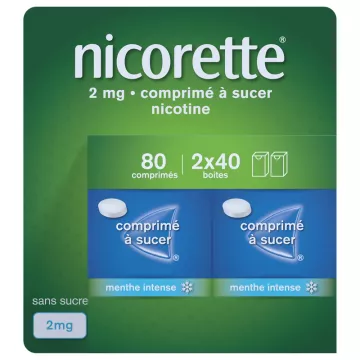
Smoking cessation refers to the physiological and behavioral process of stopping tobacco use, characterized by withdrawal symptoms resulting from the absence of nicotine. Acute symptoms—irritability, anxiety, insomnia, difficulty concentrating, increased appetite, and intense cravings—appear within the first 24 to 48 hours, peak around the third day, and then gradually subside over 2 to 4 weeks. Occasional cravings may, however, persist for several months, triggered by situations associated with the former habit (coffee, stress, social gatherings). Ongoing support during this extended period remains essential to prevent relapses, which are an integral part of the journey for many smokers.
Several approaches—ideally used in combination—significantly increase the chances of success:
It is possible to quit without formal medical assistance (self-help, tracking apps, personal plans to avoid triggers), but the chances of success are generally higher with structured support.
To manage an occasional craving—which is usually intense but brief — 3 to 5 minutes —, several immediate actions are effective: drink a large glass of water, take deep breaths, chew sugar-free gum, physically remove yourself from the triggering situation, or move around for a few minutes (brisk walking). Identifying your own triggers (morning coffee, work breaks, stress) helps you anticipate these high-risk moments.
Weight gain affects some people going through withdrawal, linked to increased appetite and metabolic changes resulting from quitting nicotine. To limit this: focus on a balanced diet with healthy snacks (fruit, crunchy vegetables) rather than sugary treats; increase regular physical activity, which also helps manage withdrawal stress; and stay well-hydrated throughout the day. From a nutritional standpoint, vitamin C (500 to 1,000 mg/day) compensates for depletion caused by previous smoking and supports overall recovery, while magnesium bisglycinate (300 mg/day) alleviates the irritability and nervousness associated with withdrawal symptoms.
In terms of mental health, withdrawal can temporarily increase anxiety due to cravings, but quitting smoking is associated in the long term with a documented improvement in mental health and a reduction in chronic stress. Psychological support is recommended if anxiety or depressive symptoms become pronounced during this period.