What is oral care, and why does it involve more than just the teeth?
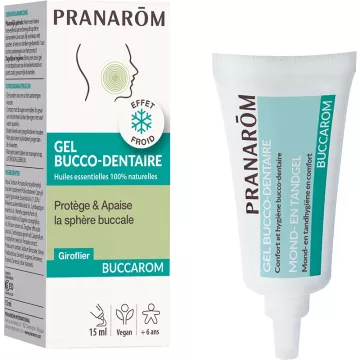
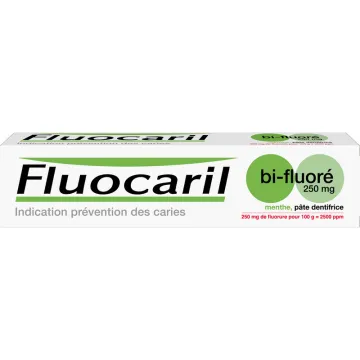
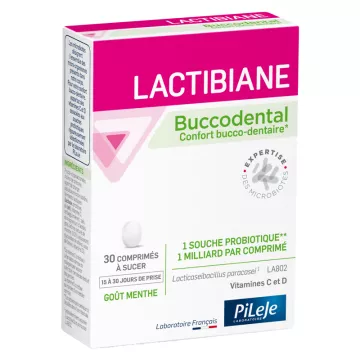
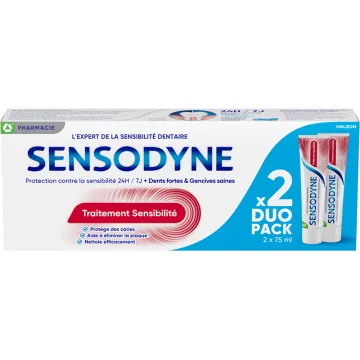
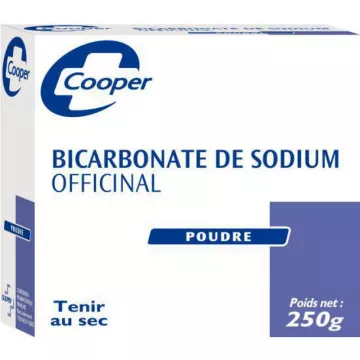
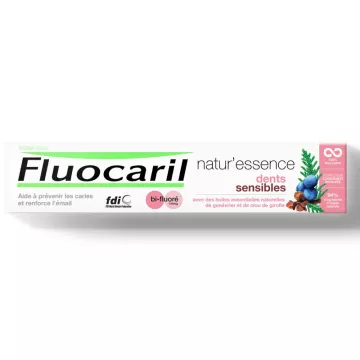
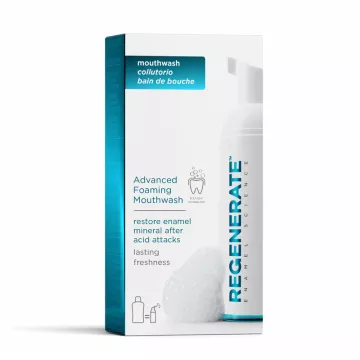
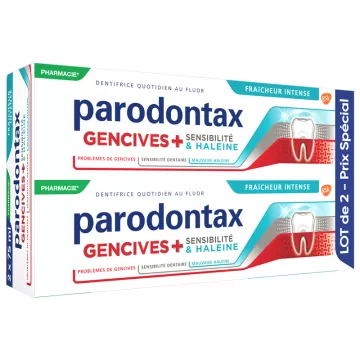
Oral care refers to all the practices that keep the oral cavity healthy—teeth, gums, oral mucosa, tongue, and saliva. A comprehensive routine is based on four complementary pillars: tooth brushing (removes plaque from accessible surfaces),interdental hygiene (reaches the 40% of surfaces inaccessible to a toothbrush), targeted care based on individual needs (mouthwash, tongue scraper, fluoride treatment), and regular professional checkups (scaling, screening). Neglecting any one of these pillars creates persistent areas of vulnerability.Oral care products are available in the store.
- Signs of inadequate oral care: bleeding gums when brushing (never normal), persistent bad breath despite good hygiene, increasing tooth sensitivity, red or swollen gums, recurring cavities—each of these signs points to an identifiable and treatable cause
- Optimal frequency and timing: brush twice a day for at least 2 minutes (morning after breakfast + evening before bed—the evening is the most important)—floss once a day in the evening—use a tongue scraper every morning—see a dentist 1 to 2 times a year
- Impact on overall health: Bacteria from a poorly maintained mouth can enter the bloodstream—a documented link exists with cardiovascular disease, diabetes (a bidirectional relationship with periodontitis), obstetric complications, and aspiration pneumonia
Special Oral Care: Orthodontic Appliances, Children, and Dentures
Certain situations require adjustments to the oral care routine. People with fixed orthodontic appliances need to brush after every meal (brackets accumulate food debris within a few hours), use a bridge floss or interdental brushes to clean between the brackets and under the wires, and use a fluoride mouthwash to protect the enamel under and around the brackets—an area at very high risk for cavities. Orthodontists often recommenda water flosser with an orthodontic tip to simplify this cleaning process.
- Children’s Oral Care: Start brushing as soon as the first tooth appears, using age-appropriate toothpaste (500–1,000 ppm fluoride before age 6—a pea-sized amount under adult supervision) — Start flossing as soon as the first teeth touch — Dental sealants (resin-filled molar grooves) recommended by the dentist for children at high risk of cavities — Physical protection for fissures that are difficult to brush for several years
- Dentures and removable appliances: daily cleaning with a dedicated brush (no abrasive toothpaste—it scratches the resin) + effervescent cleaning tablet — recommended to be removed at night — sub-denture candidiasis prevented by this dual cleaning routine — dentures and denture care products available in the store
- Tobacco and oral care: Tobacco increases the risk of severe periodontitis by a factor of 3 to 7, masks gum bleeding through vasoconstriction (giving a false impression of good health), slows healing after any dental procedure, promotes tartar buildup and tooth discoloration, and increases the risk of oral cancer—quitting improves gum health within a few weeks
Crowns, Implants, and Professional Treatments: Which to Choose?
When a tooth is severely damaged or missing, there are two main options. A dental crown is a cap fitted over a prepared (shaved down) existing tooth—it covers and protects a tooth that has had its pulp removed, is fractured, or has undergone extensive restoration, restoring its shape and strength. A dental implant is an artificial titanium root inserted into the alveolar bone (a dental surgical procedure) onto which a crown is screwed — it replaces a missing tooth without affecting adjacent teeth, preserves the alveolar bone, and lasts 15 to 20 years or more.
- Choosing between a crown and an implant: a crown is appropriate when the tooth is present but severely damaged—an implant is appropriate when the tooth is missing and there is sufficient bone mass—the two are not interchangeable—the dentist evaluates the clinical situation (X-rays, bone condition, periodontal health) before making a recommendation — see the dental implant page
- Professional fluoride varnishes and sealants: applied in the office during checkups—particularly effective for children, teenagers wearing braces, and adults at high risk for cavities—fluoride varnishes (22,600 ppm) release fluoride over several days—a powerful supplement to daily at-home oral care
- Screening during checkups: interproximal cavities invisible to the naked eye, gingival pocket depth, subgingival tartar, condition of the oral mucosa (leukoplakia, suspicious lesions)—the dentist can see what daily oral hygiene cannot detect—1 to 2 visits per year remain essential even with perfect oral hygiene