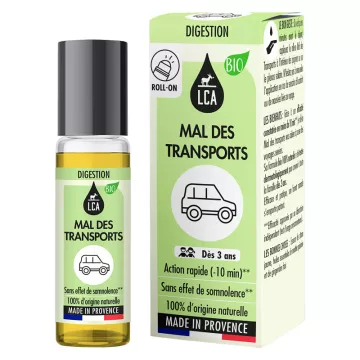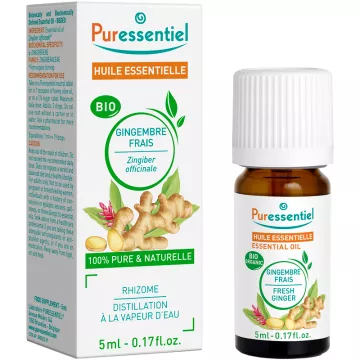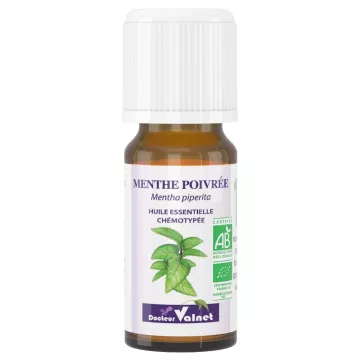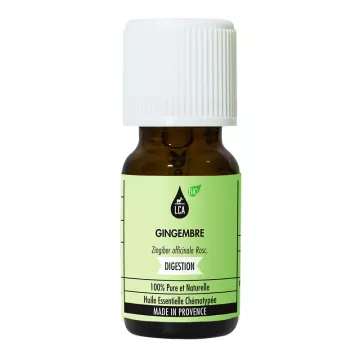


Motion sickness (kinetosis) results from a sensory conflict between vestibular information (the inner ear, which detects actual movement), visual information (the eyes, which may perceive a stationary environment), and proprioceptive information (muscles and joints). This conflict causes a dysregulation of the autonomic nervous system, resulting in progressive nausea, paleness, cold sweats, excessive salivation, and vomiting. Motion sickness affects 25 to 40% of the population to varying degrees depending on the mode of transportation (car > boat > airplane > train). Children aged 2 to 12, women, and people who suffer from migraines are particularly susceptible—those with a history of labyrinthitis or BPPV (benign paroxysmal positional vertigo) are more vulnerable.
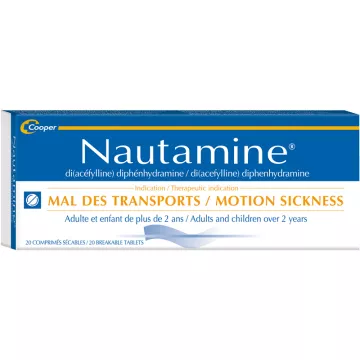
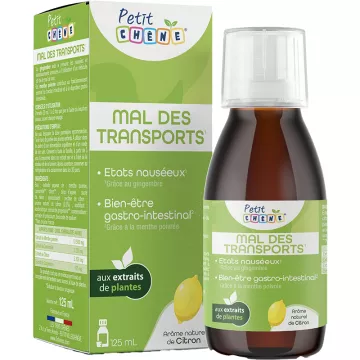
Two classes of over-the-counter medications have been documented. First-generation H1 antihistamines (meclizine, dimenhydrinate) reduce vestibular excitability and exert a central antiemetic effect (by blocking H1 and muscarinic receptors in the vomiting center). They should be taken 30 to 60 minutes before departure; their effect lasts 4 to 6 hours. Common side effects include drowsiness (which can sometimes be beneficial in children), dry mouth, and blurred vision. Second-generation antihistamines (cetirizine, loratadine) are ineffective—they do not cross the blood-brain barrier sufficiently to act on the vestibular centers. Formulas are available to relieve travel-related digestive discomfort, particularly in children.
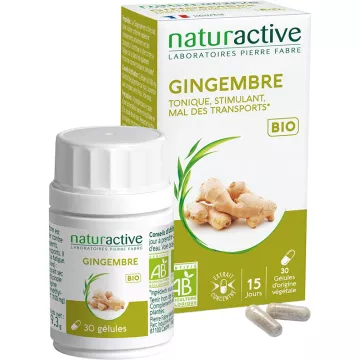
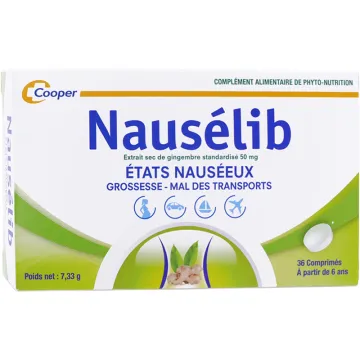
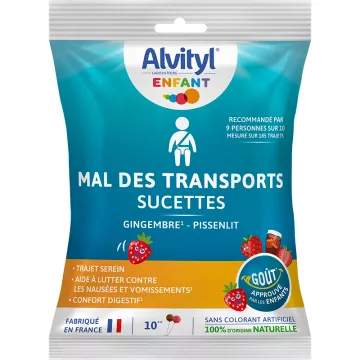
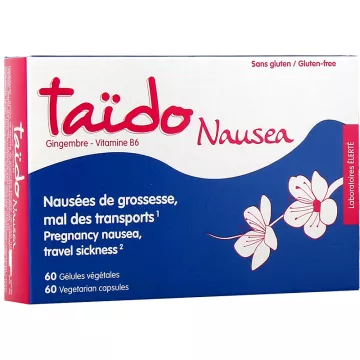
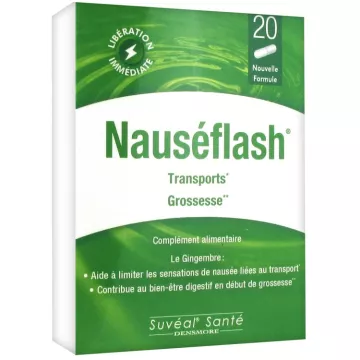
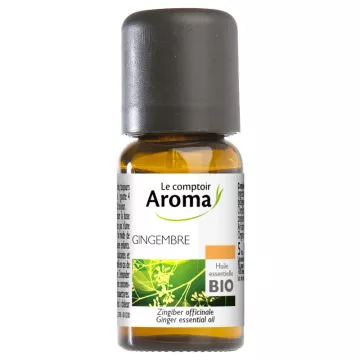
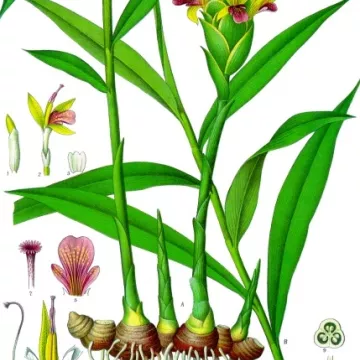
Ginger (Zingiber officinale, gingerols + shogaols) is the best-documented natural antiemetic agent. Its mechanism of action is peripheral—gingerols inhibit 5-HT3 and NK1 receptors in the gastrointestinal tract, reducing the vagus nerve’s sensitivity to nausea signals, unlike antihistamines, which act centrally. Meta-analyses confirm its superior efficacy compared to placebo in reducing the frequency and intensity of nausea (500 mg to 1 g of standardized extract, 30 minutes before departure). Major advantage: no drowsiness, making it safe for driving. Available in capsules, candies, or lozenges for rapid relief.
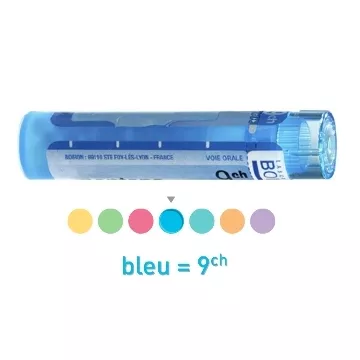
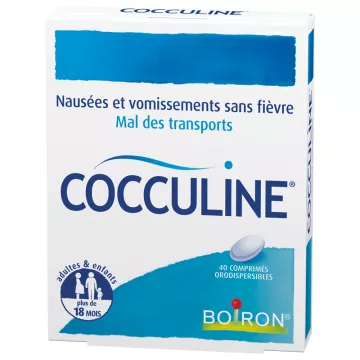
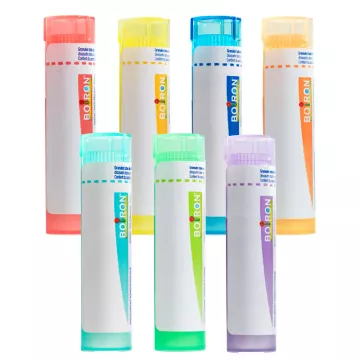
Homeopathy tailors treatment to the individual’s motion sickness profile and the type of transportation:
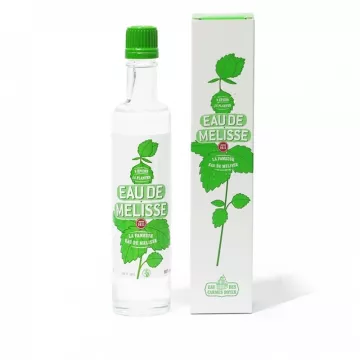
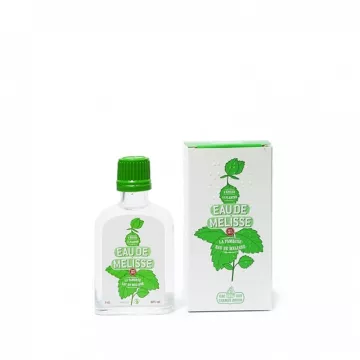
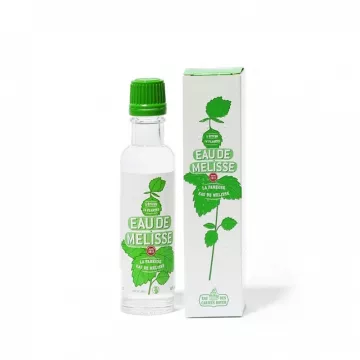
5 granules every hour during the trip; let them dissolve under the tongue. Lemon balm water (an alcoholic carminative extract) provides complementary digestive antispasmodic relief—a few drops in a glass of water before and during the trip.
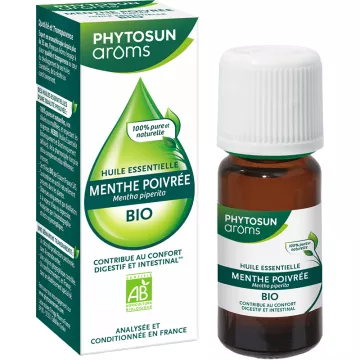
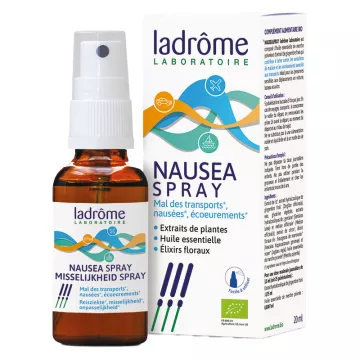
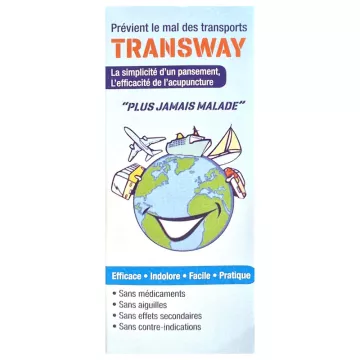
Peppermint (menthol, TRPM8 receptors) provides the most immediate aromatherapeutic relief—one or two drops of essential oil on a handkerchief for inhalation, or applied to the temples and sternum, provide rapid antiemetic relief. Several practical measures reduce sensory conflict: sit in the front of the vehicle or on the upper deck of a boat, focus on a fixed point on the horizon (reduces vestibulo-visual conflict), avoid reading, and ventilate the cabin regularly. An acupressure wristband (P6 or Nei Guan point, on the inner side of the wrist) reduces nausea through reflex stimulation—its effectiveness varies, but it has no side effects.
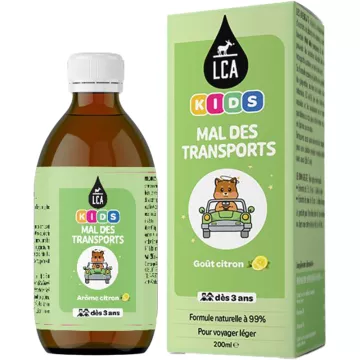
Children aged 2 to 12 are most affected by motion sickness—their central nervous system is still developing, and their brains are less able to integrate sensory conflicts. Pediatric antihistamines (syrup or split-dose tablets) are effective but cause drowsiness, which can be helpful on long trips. Ginger lozenges and candies are well-tolerated by children ages 6 and up. Homeopathic remedies (Cocculinum, Tabacum in granules) are particularly suitable for young children and have no side effects. For pets (dogs and cats), specific tablet formulations (herbal medicine + homeopathy) relieve animal motion sickness, which manifests as excessive drooling, vomiting, and restlessness. Anxiety is often a factor in motion sickness—for people who are apprehensive about traveling (fear of flying, claustrophobia), a mild anxiolytic approach (passionflower, lemon balm) in addition to anti-nausea medications optimizes overall management.