Skin Mattifying: What Is It and Why?
Mattifying the skin refers to reducing the shiny appearance caused by excess sebum on the skin’s surface. This process is primarily intended for oily and combination skin types, as well as the seborrheic areas of the face (forehead, nose, and chin). Matting the skin helps create a more even complexion and a more visually pleasing appearance, and can reduce the sensation of clogged pores, which contributes to blackheads and certain blemishes.
Cosmetic mattifying does not treat excessive sebum production at its source—it acts only on the skin’s surface. In cases of severe seborrhea associated with inflammatory breakouts, a dermatological consultation is recommended.
Which ingredients should you look for in mattifying products?
Several cosmetic active ingredients are known for their mattifying effects:
- Clay (green, white, kaolin): a staple for sebum absorption and its purifying effect.
- Silica and absorbent microspheres: reduce shine immediately without drying out the skin.
- Corn and rice starch: gentle, well-tolerated mattifying ingredients.
- Talc: a traditional mattifying agent. Choose products whose mineral origin and quality are traceable through reputable manufacturers.
- Niacinamide: regulates sebum production and improves skin texture.
- Green tea extracts: antioxidant polyphenols and a refreshing sensation.
- Mint: a refreshing note; use sparingly on sensitive skin.
How can you incorporate mattifying products into your daily routine?
A consistent routine for oily or combination skin:
- Cleanse morning and night with a suitable gel or foam that doesn’t contain overly harsh surfactants (cleansing that’s too harsh can, paradoxically, stimulate sebum production).
- Alcohol-free toner to rebalance the skin.
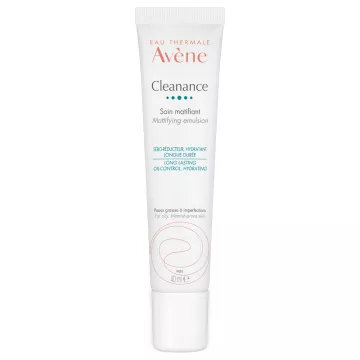
- Amattifying serum or one containing niacinamide.
- A lightweight, non-comedogenicmoisturizer, in gel or fluid form: hydration remains essential, even for oily skin.
- SPF 30 to 50sunscreen in a fluid or gel texture for the morning.
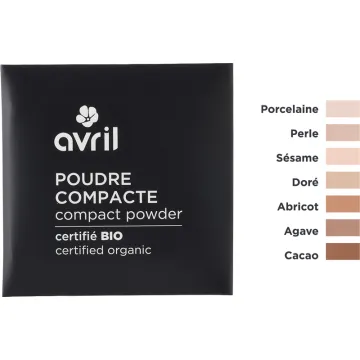
- Mattifying powder as a finishing touch or for touch-ups throughout the day.
How do you choose a mattifying product based on your skin type?
The choice of a mattifying product depends on your skin type:
- Oily skin: “oil-free,” non-comedogenic formulas in gel or fluid form.
- Combination skin: products suited for the T-zone; richer moisturizer on the cheeks if needed.
- Sensitive skin: hypoallergenic formulas that are fragrance-free, denatured alcohol-free, and ideally dermatologically tested.
- Acne-prone skin: Combine mattifying ingredients with targeted active ingredients (salicylic acid [BHA], niacinamide, zinc PCA) under professional guidance.
Always read the INCI list and introduce new products one at a time to assess tolerance.
How can you maintain a matte finish all day long?
A few tips to prolong the matte finish:
- Keepblotting papers on hand to absorb excess oil without disturbing your makeup.
- Opt for non-comedogenic foundations and BB creams with a matte or satin finish.
- Avoid thick oils and heavy emollients on the surface of the skin.
- Set your makeup with a translucent mattifying powder.
- Minimize rubbing and frequent touch-ups, which stimulate sebum production.
What role does diet play in mattifying the skin?
Diet indirectly influences the quality of sebum and skin comfort. Scientific data show a moderate link between a high-glycemic-index diet (rapid-acting sugars, ultra-processed foods) and the worsening of acne. Choose:
- Fruits, colorful vegetables, legumes, whole grains.
- Essential fatty acids: omega-3 (fatty fish, flaxseed, chia, walnuts), avocado, high-quality vegetable oils.
- Zinc-rich foods (oysters, lean meats, legumes, pumpkin seeds)—a trace mineral traditionally used for blemish-prone skin.
- Adequate hydration (on average, 1.5 to 2 L/day for a healthy adult).
A targeted supplement regimen of zinc, vitamin C, or omega-3 may be considered as a complementary treatment, following a pharmacist’s advice.
Are there professional treatments to mattify the skin?
Several professional treatments can complement a skincare routine:
- Salicylic acid peels: a lipophilic exfoliation, ideal for unclogging pores and reducing blemishes.
- Microdermabrasion: mechanical exfoliation performed in a clinic.
- Lasers and intense pulsed light (IPL): target skin texture and blemishes as indicated.
- Blue or redLED therapy, depending on the treatment protocol.
A preliminary consultation is essential to assess the suitability of the treatment, the expected benefits, potential side effects (redness, peeling, temporary photosensitivity), and contraindications (pregnancy, breastfeeding, medical history).
How can facial masks help mattify the skin?
Purifying masks made with green, white, or pinkclay, or activated charcoal, help mattify the skin:
- They absorb excess sebum and surface impurities.
- They provide an immediate purifying effect on combination to oily skin.
- Recommended frequency: 1 to 2 times a week, depending on skin tolerance.
- Do not let the clay dry completely on the skin to avoid dehydration; moisten it while it’s on.
For sensitive or reactive skin, space out mask applications and opt for white clay (kaolin), which is gentler than green clay.
Can you mattify the skin long-term with natural remedies?
Here are a few traditional natural approaches:
- A morning mistof peppermint orwitch hazelhydrosol provides a refreshing and astringent sensation.
- Spritzing cucumber juice can provide a refreshing sensation. The “pore-tightening” effect is purely cosmetic and temporary: the pores do not close permanently.
- Homemade clay masks.
Absolutely avoid applying undiluted or diluted lemon juice directly to the skin. Lemons contain furocoumarins that cause phytophotodermatitis (severe phototoxic reactions) at the slightest exposure to sunlight: burns, blisters, and long-lasting pigmentation spots. This sometimes-cited home remedy is contraindicated. To benefit from vitamin C, opt for a specially formulated and stabilized cosmetic serum.
How does stress affect skin shine?
Chronic stress leads to a prolonged increase in cortisol, which can stimulate sebum production and exacerbate oiliness and breakouts. To mitigate these effects: deep breathing, meditation, yoga, walking outdoors, regular physical activity, and quality sleep.
Certain adaptogenic or soothing herbs (Rhodiola, hawthorn, passionflower, valerian) are traditionally used under professional guidance to help manage periods of stress. In cases of debilitating stress, a medical or psychological consultation is recommended.