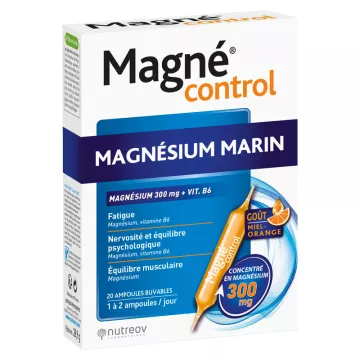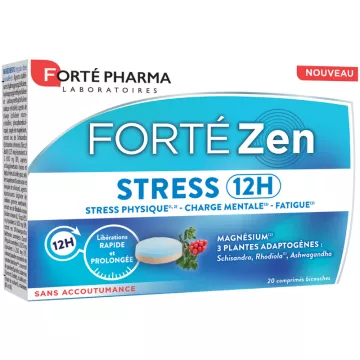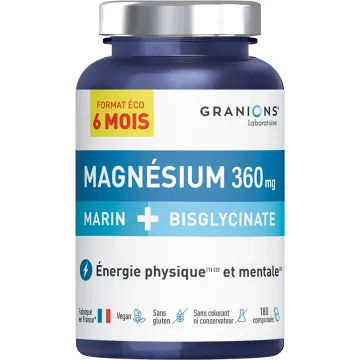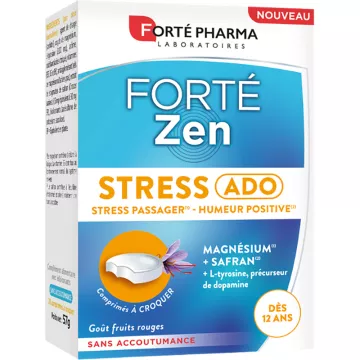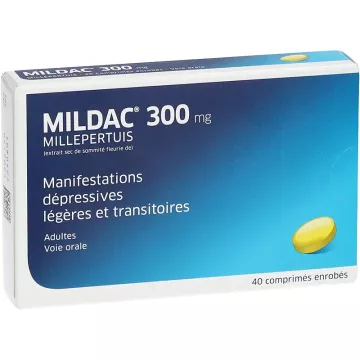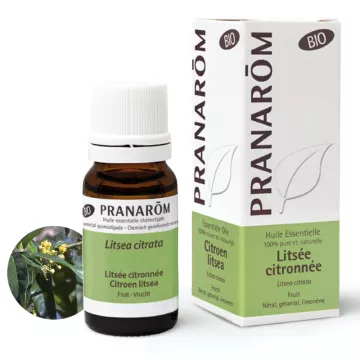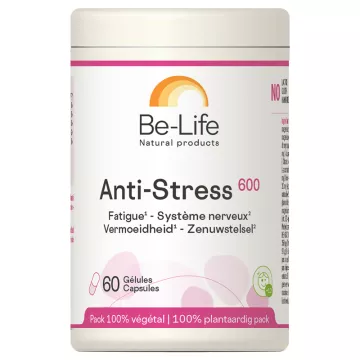

Stress is an adaptive physiological reaction triggered by a situation perceived as threatening or demanding—the “fight-or-flight” response activates the sympathetic nervous system and releases cortisol and adrenaline to prepare the body for action. This response is beneficial in the short term but becomes harmful when prolonged: chronic cortisol disrupts sleep, weakens the immune system, promotes abdominal weight gain, increases muscle tension, and is associated with an increased risk of anxiety, depression, and cardiovascular disorders. Meditation and relaxation techniques are specifically designed to reactivate the parasympathetic nervous system to counterbalance this chronic activation.
Several behavioral approaches have been shown to be effective in reducing stress:
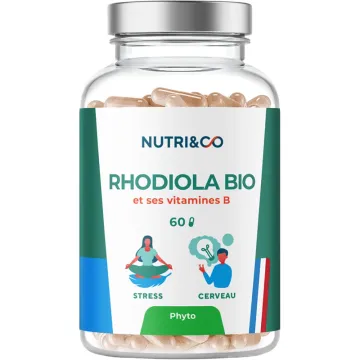
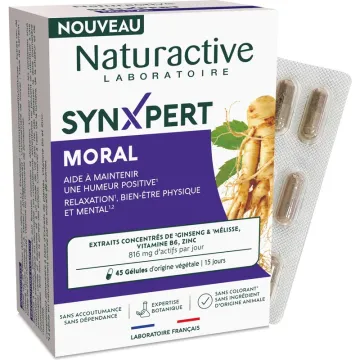
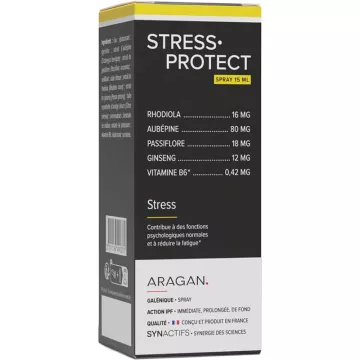
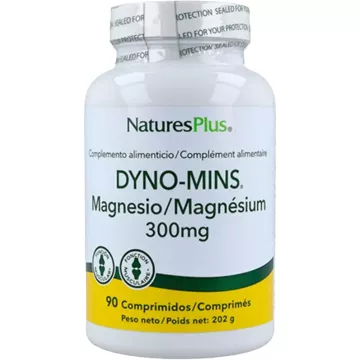
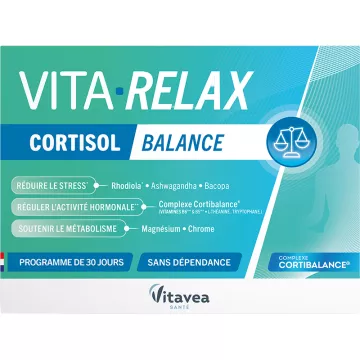
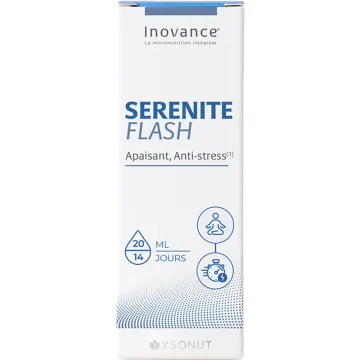
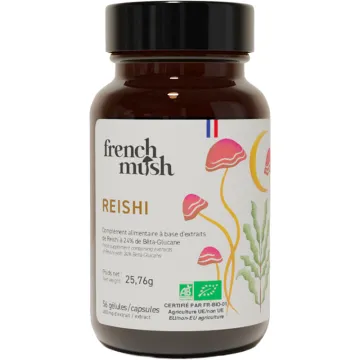
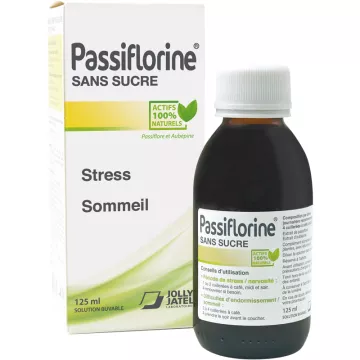
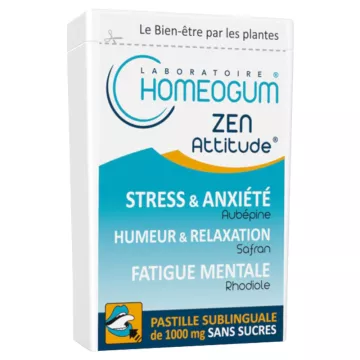
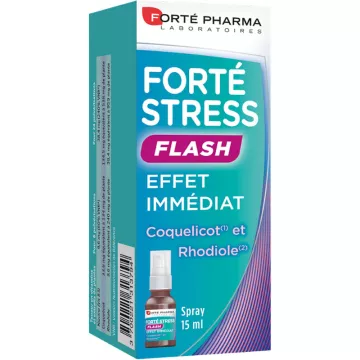
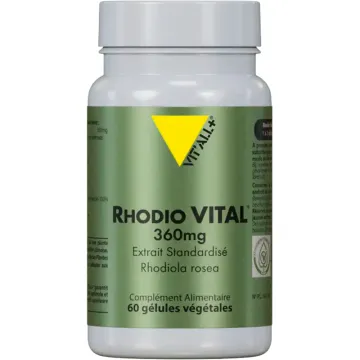
Magnesium bisglycinate (300 mg/day) is the first-line anti-stress supplement: a cofactor in over 300 enzymatic reactions, it regulates the cortisol response and reduces neuromuscular hyperexcitability—a magnesium deficiency, which is very common in situations of chronic stress, perpetuates a vicious cycle (stress depletes magnesium, and magnesium deficiency amplifies the stress response). Rhodiola (an adaptogen—standardized rosavins and salidroside) improves physical and mental resistance to stress, reduces cognitive fatigue, and restores motivation—take in the morning; contraindicated in cases of bipolar disorder and agitation. Valerian (EMA: well-established use) soothes nervous tension and helps you fall asleep when experiencing evening stress. Omega-3 EPA-DHA (1 to 3 g/day—EFSA claim) reduces brain inflammation associated with chronic stress and supports mood regulation. These supplements support behavioral practices—severe, persistent stress, or stress accompanied by depressive symptoms warrants a medical consultation.